When exploring the anatomy of kitchen knives, one component that often sparks curiosity is the bolster. Whether you’re a home cook or a professional chef, understanding the function and design of this feature can help you make informed decisions when selecting or using a knife. In this guide, we’ll break down the role of the bolster, its benefits, and how it influences your cutting experience.
The bolster is a key structural element found on many high-quality knives, especially those crafted using traditional forging techniques. While some modern knives omit this feature, knowing its purpose and impact can enhance your appreciation for knife craftsmanship and performance.
For those interested in learning more about the different parts of a knife and how they affect performance, resources such as this comprehensive guide to knife edges can provide additional context.
Understanding the Bolster: Definition and Placement
The bolster is the thick junction between the blade and the handle of a knife. Typically made from the same piece of metal as the blade, it forms a transition point that adds both weight and balance. On most Western-style chef’s knives, the bolster is easy to spot: it’s the solid metal section at the base of the blade, just before the handle begins.
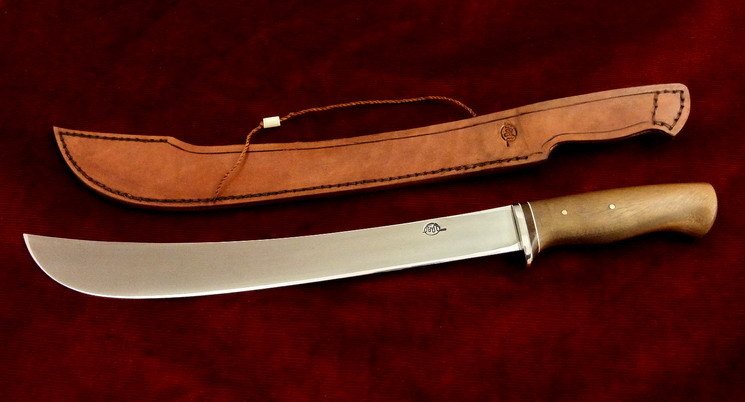
Not every knife includes a bolster. Its presence is most common in forged knives, where the blade and handle are shaped from a single piece of steel. In contrast, many stamped knives, which are cut from a flat sheet of metal, do not have a bolster or may feature a partial one for aesthetics.
Key Functions of the Bolster in Knife Design
The bolster serves several important purposes in knife construction:
- Balance and Weight Distribution: By adding mass near the handle, the bolster helps counterbalance the blade. This creates a more stable and controlled feel during use.
- Safety: The bolster acts as a finger guard, preventing your hand from slipping onto the sharp edge while chopping or slicing.
- Strength and Durability: A full bolster reinforces the knife at its most vulnerable point, reducing the risk of breakage where the blade meets the handle.
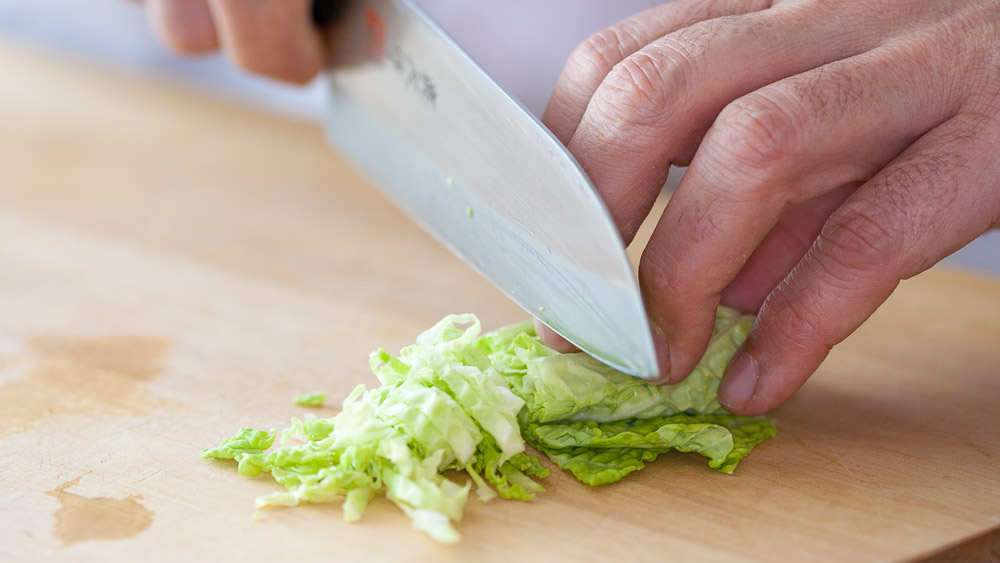
- Comfort: For those who use a pinch grip, the bolster provides a comfortable resting place for the thumb and forefinger, supporting precise control.
Types of Bolsters: Full, Semi, and No Bolster
There are several variations of bolsters found in kitchen knives:
- Full Bolster: Extends from the spine to the heel, running the full width of the blade. This type offers maximum protection and weight, but can make sharpening the entire edge more challenging.
- Semi-Bolster (or Half Bolster): Covers only part of the blade’s width, usually stopping short of the heel. This design balances safety and ease of sharpening.
- No Bolster: Common in many Japanese knives and some modern Western designs. These knives are lighter, allow for easier sharpening along the entire edge, and are often preferred for precision tasks.
The choice between these types depends on personal preference, cutting style, and the types of food you prepare most often.
How the Bolster Affects Knife Performance
The presence and style of a bolster can influence how a knife feels and performs in your hand. Here are some practical considerations:
- Weight: A full bolster adds heft, which can be beneficial for tasks like chopping dense vegetables or proteins. However, it may cause fatigue during extended use.
- Balance: The bolster shifts the balance point closer to the handle, giving the user more control over the blade’s movement.
- Sharpening: Full bolsters can make it difficult to sharpen the heel of the blade, potentially leaving a “dead spot” over time. Semi-bolsters and bolster-free designs are easier to maintain.
- Grip: For those who use a pinch grip, a smooth or semi-bolster provides comfort without interfering with hand placement.
Choosing the Right Knife for Your Needs
When selecting a kitchen knife, consider how the bolster will affect your comfort and workflow. If you value safety and a solid feel, a full bolster might be ideal. For those who prioritize easy sharpening and lighter weight, a semi-bolster or bolster-free design could be more suitable.
Try holding different knives to see how the bolster influences grip and balance. The best choice is the one that feels natural in your hand and matches your cooking habits.
FAQ About Knife Bolsters
Is a bolster necessary on all kitchen knives?
No, not every kitchen knife requires a bolster. Many Japanese knives and some modern Western knives are designed without one to reduce weight and allow for easier sharpening. The presence of a bolster is a matter of design preference and intended use.
Does the bolster affect how I sharpen my knife?
Yes, a full bolster can make it difficult to sharpen the heel of the blade, sometimes leaving a section that remains dull over time. Semi-bolsters and bolster-free knives are typically easier to sharpen along the entire edge.
What is the difference between a full tang and a bolster?
A full tang refers to the extension of the blade’s metal through the entire length of the handle, providing strength and balance. The bolster, on the other hand, is the thickened area between the blade and handle. Both features contribute to the knife’s durability, but they serve different structural purposes.
Are there disadvantages to having a bolster?
While bolsters offer safety and balance, they can add extra weight and make sharpening more challenging. Some users prefer lighter knives without a bolster for more agile cutting and easier maintenance.
Summary
The bolster is a distinctive feature in many kitchen knives, providing balance, safety, and durability. Whether you choose a knife with a full, semi, or no bolster depends on your cooking style and personal preferences. Understanding this element helps you select the right tool for your kitchen and ensures a more comfortable, efficient cutting experience.