Many home cooks and professionals alike are curious about the suitability of ceramic knives for various kitchen tasks. One common question is whether these ultra-sharp blades are a good choice for dicing vegetables, fruits, and other ingredients. In this guide, we’ll explore the strengths and limitations of ceramic knives when it comes to dicing, provide practical advice for technique, and highlight important safety and maintenance considerations.
Understanding the properties of ceramic blades is essential for making the most of your kitchen tools. Whether you’re prepping a salad, making salsa, or working with delicate produce, knowing when and how to use a ceramic knife can make your food preparation more efficient and enjoyable. For a deeper dive into the science and history behind these unique blades, you can check out everything you need to know about ceramic knives from Fine Dining Lovers.
What Makes Ceramic Knives Unique?
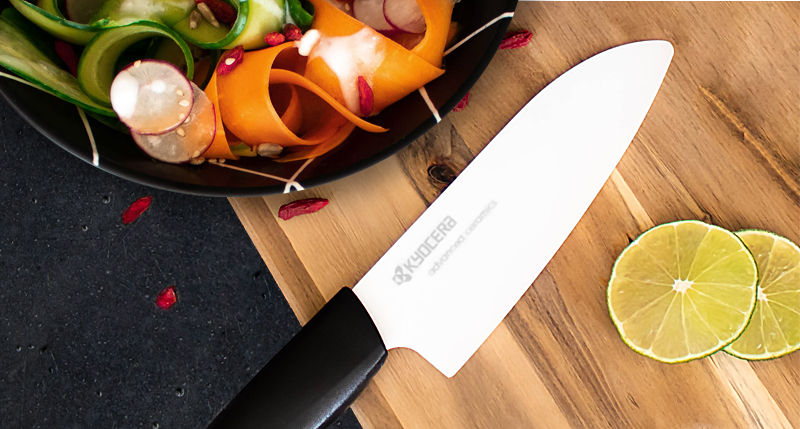
Ceramic knives are crafted from zirconium dioxide, a material that is significantly harder than steel. This composition gives them several distinct advantages and a few notable drawbacks compared to traditional metal blades. The most important characteristics include:
- Exceptional sharpness: Ceramic blades maintain a razor-sharp edge for a long time, making them ideal for precision tasks.
- Lightweight design: These knives are much lighter than their steel counterparts, which can reduce hand fatigue during repetitive tasks.
- Corrosion resistance: Ceramic does not rust or react with acidic foods, helping preserve flavors and appearance.
- Brittleness: Despite their hardness, ceramic knives are more prone to chipping or breaking if twisted or dropped.
These properties influence how well a ceramic knife performs when dicing, especially compared to a standard chef’s knife.
Is Dicing with a Ceramic Knife Effective?
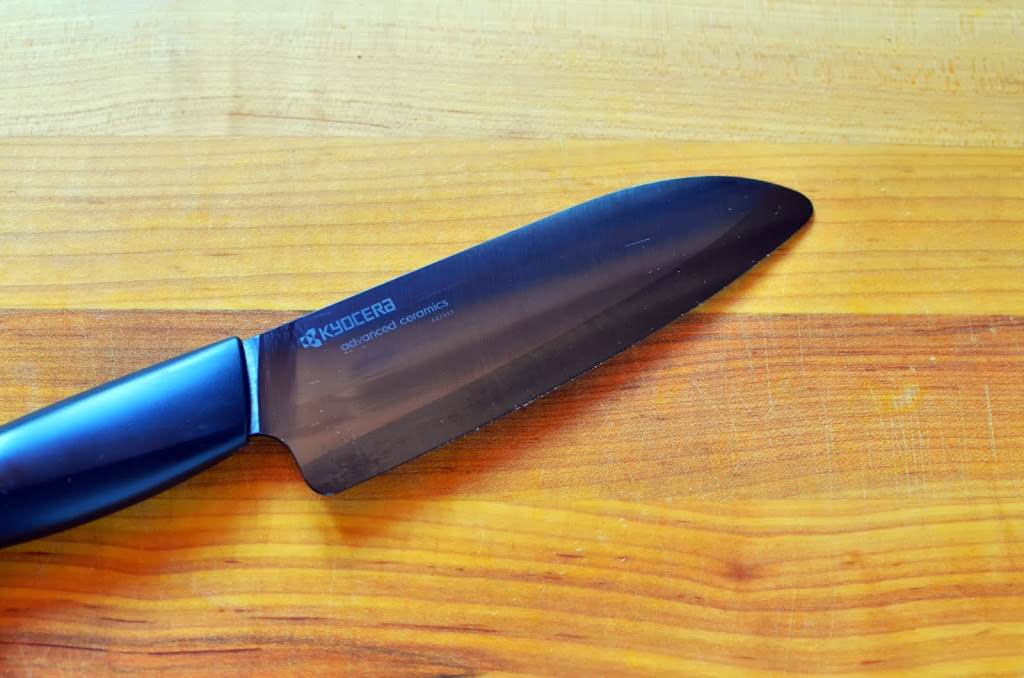
When considering can you use a ceramic knife for dicing, it’s important to match the tool to the task. Dicing involves cutting ingredients into small, uniform cubes, which requires both sharpness and control. Ceramic knives excel at making clean, straight cuts through soft to medium-firm produce such as tomatoes, cucumbers, apples, and boneless meats.
However, the brittle nature of ceramic means these knives are not suitable for chopping through hard or dense foods like squash, carrots, or bones. Attempting to dice such items may damage the blade. For most everyday dicing tasks involving softer ingredients, ceramic knives can deliver excellent results with minimal effort.
Proper Dicing Technique with Ceramic Blades
To get the best performance and longevity from your ceramic knife, follow these technique tips:
- Use a gentle rocking motion: Avoid twisting or prying the blade. Let the sharp edge do the work with a smooth, controlled movement.
- Choose the right cutting board: Opt for wood or plastic surfaces. Hard boards like glass or stone can increase the risk of chipping.
- Prepare ingredients appropriately: For larger or firmer items, consider slicing them into manageable pieces before dicing.
- Keep the blade clean: Wipe the knife between cuts to prevent sticking and maintain precision.
- Store safely: Use a sheath or knife block to protect the blade from accidental knocks.
With these practices, you can achieve neat, uniform dices while preserving the integrity of your ceramic knife.
Best Ingredients for Dicing with Ceramic Knives
Not all foods are equally suited to ceramic blades. Here are some of the best candidates for dicing with this type of knife:
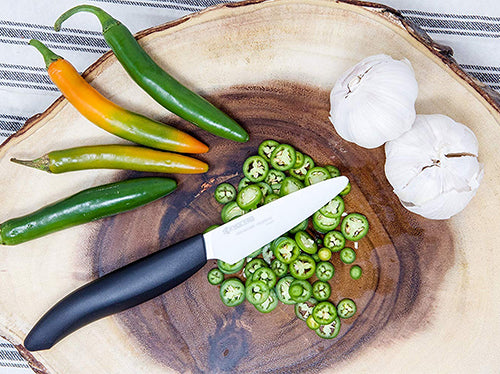
- Soft fruits and vegetables: Tomatoes, strawberries, kiwis, and mushrooms can be diced cleanly without crushing.
- Boneless meats: Chicken breast, fish, and cooked meats are easy to portion with a sharp ceramic edge.
- Herbs and leafy greens: These can be sliced or diced finely without bruising.
- Cheese (soft to semi-firm): Mozzarella, feta, and similar cheeses can be cubed neatly.
For harder produce like carrots, potatoes, or dense root vegetables, a sturdy steel chef’s knife is usually a better choice to avoid damaging the ceramic blade.
Advantages and Limitations of Ceramic Knives for Dicing
Understanding both the strengths and weaknesses of ceramic knives helps you decide when to reach for this tool in your kitchen:
| Advantages | Limitations |
|---|---|
| Ultra-sharp edge for clean, precise cuts | Prone to chipping or breaking if misused |
| Does not react with acidic foods | Cannot be used on hard or frozen items |
| Lightweight and easy to handle | Requires careful storage and handling |
| Low maintenance (rarely needs sharpening) | Not suitable for prying, twisting, or heavy-duty tasks |
By recognizing these factors, you can maximize the benefits of ceramic knives for dicing while minimizing the risk of damage.
Care and Maintenance Tips
Proper care is essential to keep your ceramic knife performing at its best. Here are some maintenance guidelines:
- Hand wash only: Clean the blade gently with mild soap and water. Avoid dishwashers, which can cause chips.
- Dry thoroughly: Although ceramic doesn’t rust, drying prevents water spots and keeps the handle in good condition.
- Sharpening: If the blade becomes dull, use a diamond sharpener designed for ceramic. Many manufacturers offer sharpening services.
- Safe storage: Store separately from other utensils to prevent accidental knocks or chips.
Following these steps will help ensure your ceramic knife remains sharp and safe for dicing and other kitchen tasks.
Frequently Asked Questions
Are ceramic knives better than steel knives for dicing?
Ceramic knives offer extremely sharp edges and are excellent for dicing soft produce and boneless meats. However, steel knives are more versatile and durable, especially for harder foods or tasks that require force. The best choice depends on the ingredients and your preferred cutting style.
Can you sharpen a ceramic knife at home?
Sharpening ceramic blades requires a diamond sharpener, as traditional sharpeners will not work. While some home sharpeners are available, many users prefer to send their knives to a professional service to avoid damaging the blade.
What should you avoid cutting with a ceramic knife?
Do not use ceramic knives on hard or frozen foods, bones, or for prying tasks. Cutting on glass, marble, or metal surfaces should also be avoided to prevent chipping or breaking the blade.
How do you safely store a ceramic knife?
Store ceramic knives in a sheath, knife block, or on a magnetic strip designed for ceramic blades. Avoid tossing them in a drawer with other utensils, as this can lead to accidental chips or cracks.
In summary, ceramic knives are a valuable addition to your kitchen for specific dicing tasks, especially when working with softer foods. By understanding their unique properties and following proper technique, you can enjoy precise, effortless cuts while keeping your knife in top condition.