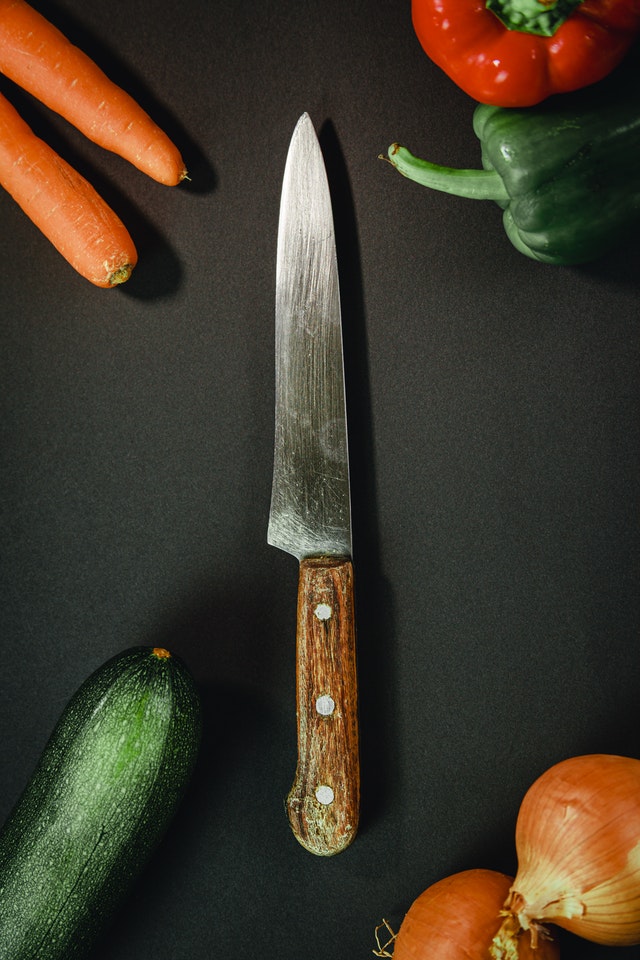
Choosing the right kitchen knife can make a significant difference in your cooking experience. Among the most commonly compared tools are the boning knife vs chef knife. Each has a unique design and purpose, and understanding their differences is essential for both home cooks and professionals. Whether you’re preparing meat, fish, or vegetables, selecting the appropriate blade will help you achieve cleaner cuts, better efficiency, and safer handling.
In this article, you’ll find a clear comparison between these two essential knives. We’ll break down their features, ideal uses, and what sets them apart. By the end, you’ll know which knife to reach for depending on the task at hand. For those interested in exploring related knife comparisons, you might also find this detailed guide on boning knives versus filleting knives helpful.
Understanding the Differences: Boning and Chef Knives
Both the boning and chef knives are staples in many kitchens, but they serve distinct purposes. The chef knife is known for its versatility, while the boning knife is specialized for tasks involving meat and fish. Let’s examine how their designs influence their functionality.
Design and Blade Shape
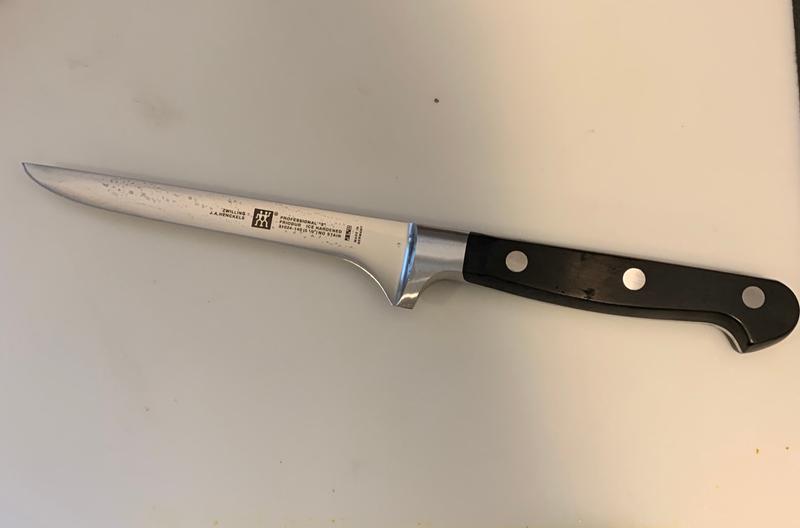
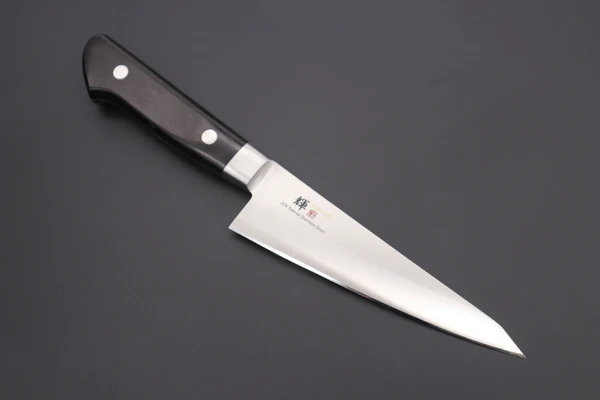
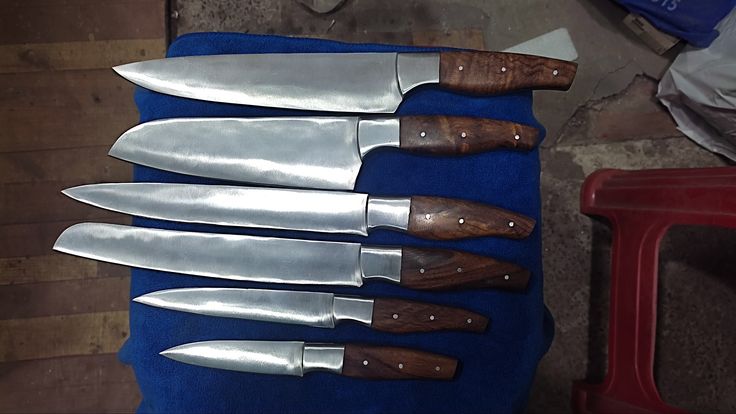
The chef knife typically features a broad, slightly curved blade ranging from 6 to 12 inches. This curvature allows for a rocking motion, making it ideal for chopping, slicing, and dicing a variety of ingredients. In contrast, the boning knife has a narrower, thinner blade, usually between 5 and 7 inches, with a slight curve or straight edge. Its pointed tip and flexible or semi-stiff blade are designed to maneuver around bones and joints with precision.
Primary Uses in the Kitchen
The chef knife is a true workhorse, suitable for most kitchen tasks. It’s perfect for slicing vegetables, mincing herbs, and cutting meat without bones. Its weight and balance allow for efficient prep work, making it a favorite for everyday cooking.
The boning knife, on the other hand, excels at removing bones from poultry, meat, and fish. Its slim blade can get into tight spaces, separating flesh from bone with minimal waste. This tool is indispensable for butchering tasks, filleting fish, or trimming fat and sinew.
Boning Knife vs Chef Knife: Which Tasks Suit Each Best?
Deciding between these two knives depends on the specific job. Here’s a closer look at when to use each:
- Chef Knife: Use for chopping, dicing, slicing, and mincing a wide range of ingredients. It’s also suitable for crushing garlic or transferring chopped food from board to pan.
- Boning Knife: Choose for deboning chicken, trimming fat from pork, or filleting fish. Its precision is unmatched when working close to bones or delicate structures.
Comparing Performance and Control
When it comes to control, the boning knife’s narrow blade allows for detailed work, especially around joints and bones. Its flexibility (in some models) lets you follow the contours of meat, reducing waste. The chef knife, being heavier and broader, offers stability and power for larger cuts but lacks the finesse needed for boning.
How to Choose the Right Knife for Your Needs
Selecting between a boning knife and a chef knife comes down to your cooking habits. If you frequently prepare whole cuts of meat, poultry, or fish, investing in a quality boning knife will save time and improve results. For general meal prep, a chef knife is indispensable due to its versatility.
Many cooks find that having both knives in their kitchen arsenal is the best solution. This way, you can tackle a wide range of tasks efficiently and safely.
Maintenance and Care Tips
Proper care extends the life of any kitchen knife. Always hand-wash and dry your knives immediately after use to prevent corrosion. Regular honing keeps the edge sharp, and occasional professional sharpening restores the blade’s performance. Store knives in a block, sheath, or on a magnetic strip to protect the edge and prevent accidents.
Frequently Asked Questions
Can a chef knife be used for boning meat?
While a chef knife can handle some light boning tasks, it lacks the precision and flexibility of a boning knife. For best results and safety, use the specialized tool for removing bones.
What is the main advantage of a boning knife?
The main benefit is its ability to separate meat from bone with minimal waste. Its narrow, sharp blade allows for detailed work that a broader knife cannot achieve.
Is it necessary to own both types of knives?
For those who regularly prepare a variety of dishes, owning both a chef and boning knife is recommended. Each serves a distinct purpose and makes specific tasks easier and more efficient.
How do I know if I need a flexible or stiff boning knife?
Flexible boning knives are ideal for fish and delicate meats, while stiff versions work better for larger cuts like beef or pork. Consider your typical cooking needs when choosing between the two.
Conclusion
Understanding the strengths and limitations of both the boning and chef knives helps you make informed decisions in the kitchen. By choosing the right tool for each job, you’ll work more efficiently, achieve cleaner cuts, and enjoy cooking even more. Remember to maintain your knives properly and select quality products for the best results.