The world of traditional knife smithing techniques is steeped in history, skill, and cultural significance. For centuries, artisans have shaped steel into blades that are both functional and beautiful, passing down their expertise through generations. Today, these time-honored methods continue to inspire modern craftsmen and knife enthusiasts alike, preserving a legacy of meticulous craftsmanship and deep respect for materials.
Understanding the roots of blade making not only enhances appreciation for handmade knives but also connects us to a global heritage of ingenuity and artistry. Whether you are a collector, a chef, or simply curious about the process, exploring these age-old practices reveals the dedication and precision required to forge a truly exceptional knife.
For those interested in the broader context of blade creation, including swords and other edged tools, you can learn more about the art of sword forging and its evolution through history.
The Foundations of Hand-Forged Blades
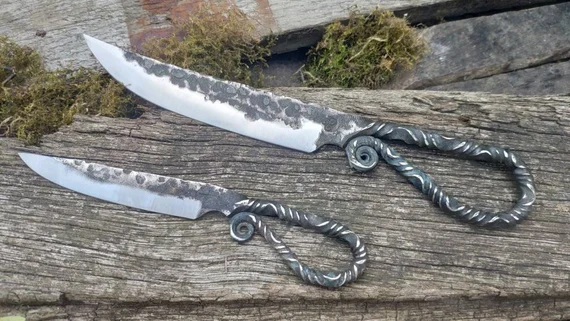
At the heart of traditional knife smithing techniques lies the process of hand-forging, a method that predates industrial manufacturing by centuries. This approach involves heating raw steel in a forge until it becomes malleable, then shaping it with hammer and anvil. Unlike mass-produced blades, each hand-forged knife is unique, bearing the marks of its maker and the nuances of manual labor.
Key steps in the process include:
- Heating: The steel is heated in a forge, often fueled by charcoal or coal, to reach the optimal temperature for shaping.
- Hammering: Using a hammer, the smith draws out the blade’s shape, carefully controlling thickness and profile.
- Quenching: The hot blade is rapidly cooled in water or oil, hardening the steel and locking in its structure.
- Tempering: To reduce brittleness, the blade is reheated to a lower temperature and then cooled again, balancing hardness with flexibility.
These steps require not only technical skill but also a deep understanding of metallurgy and the properties of various steels. The result is a blade that reflects both the smith’s expertise and the traditions of their craft.
Time-Honored Blade Designs and Materials
Throughout history, different regions have developed their own distinctive blade shapes and forging methods. Japanese blacksmiths, for example, are renowned for their layered steel techniques, while Scandinavian smiths are known for their simple, robust designs. The choice of material is equally important, with high-carbon steels favored for their edge retention and ease of sharpening.
Some classic materials and design features include:
- Damascus Steel: Created by folding and welding multiple layers of steel, resulting in a strong blade with a striking wavy pattern.
- Carbon Steel: Prized for its sharpness and ease of maintenance, though it requires regular care to prevent rust.
- Traditional Handles: Often crafted from hardwood, bone, or horn, providing both durability and aesthetic appeal.
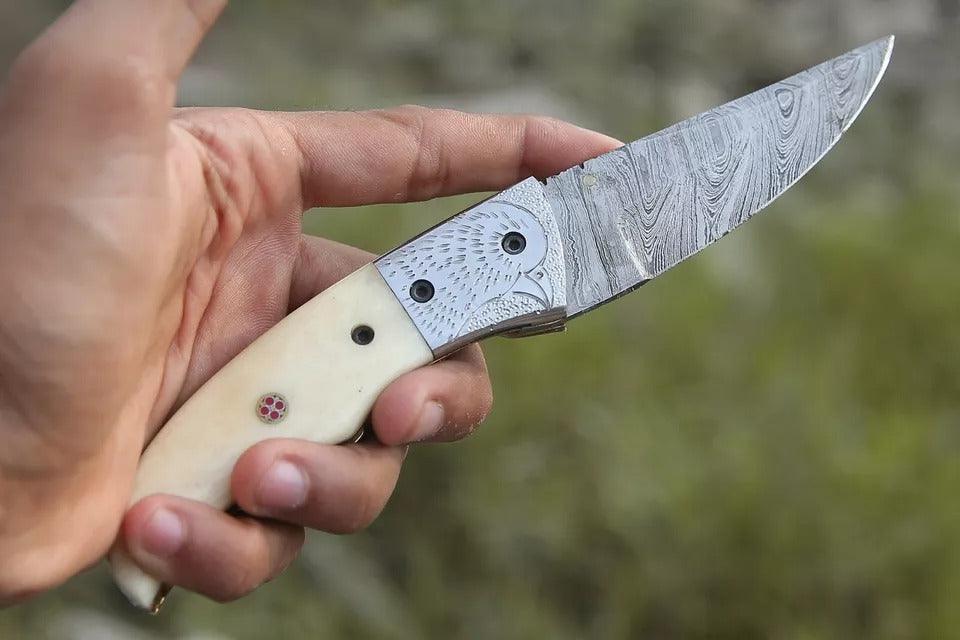
Modern smiths often blend these classic elements with contemporary innovations, but the core principles of careful material selection and precise handwork remain unchanged.
Mastering the Art: Skills Passed Through Generations
Learning heritage knife forging methods is a lifelong pursuit. Traditionally, aspiring smiths would apprentice under a master, absorbing not just technical knowledge but also the values and philosophies of the craft. Patience, attention to detail, and respect for tradition are as crucial as physical skill.
Some of the most respected bladesmiths are those who have dedicated decades to refining their technique, often specializing in a particular style or regional tradition. The transmission of these skills ensures that the artistry and cultural significance of knife making are preserved for future generations.
Decorative Techniques and Finishing Touches
Beyond functionality, many traditional blades feature decorative elements that showcase the smith’s artistry. Techniques such as engraving, inlaying precious metals, and etching patterns into the blade or handle are common. These embellishments not only enhance the knife’s appearance but also reflect the cultural identity and personal signature of the maker.
Finishing a blade involves meticulous polishing, sharpening, and fitting the handle. Each step requires precision and care, ensuring that the final product is both beautiful and practical.
Preserving Knife Making Traditions in the Modern Era
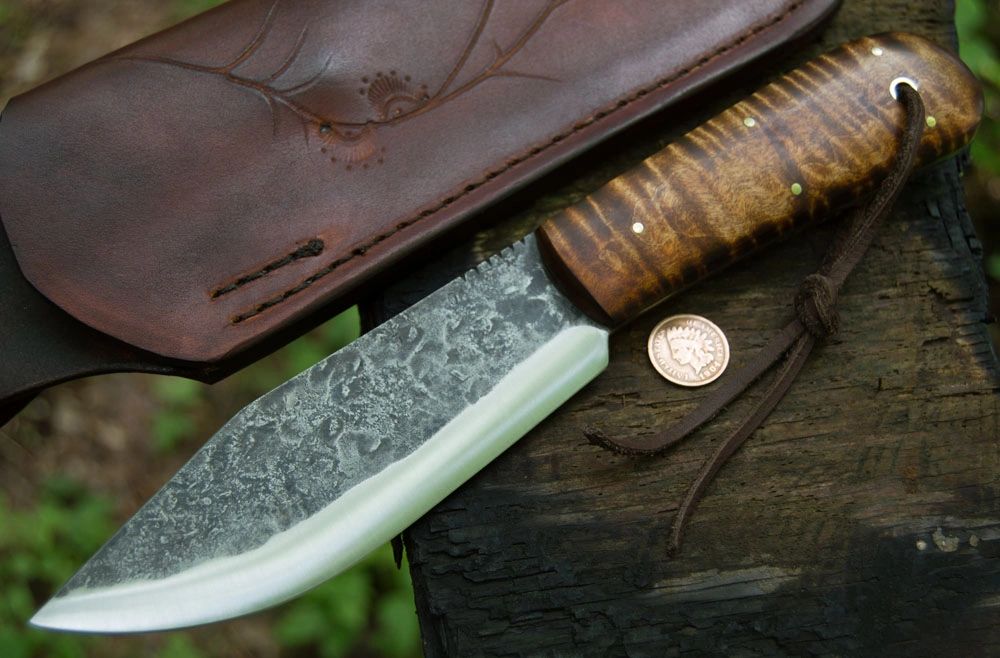
While industrialization has transformed the cutlery industry, there remains a strong appreciation for classic knife smithing skills. Many contemporary artisans are committed to keeping these traditions alive, offering workshops, demonstrations, and handcrafted knives to a global audience. The resurgence of interest in handmade goods and sustainable practices has further fueled this revival.
Collectors and users alike value the authenticity, durability, and story behind each handmade blade. Supporting traditional smiths not only preserves a unique art form but also fosters a deeper connection to the tools we use every day.
Frequently Asked Questions
What Makes Hand-Forged Knives Different from Factory-Made Blades?
Hand-forged knives are crafted individually using traditional knife smithing techniques, resulting in unique blades with superior balance, edge retention, and character. Factory-made knives are often mass-produced with less attention to detail and may not offer the same level of craftsmanship or durability.
How Can I Care for a Traditional Hand-Forged Knife?
To maintain a hand-forged knife, keep it clean and dry, sharpen it regularly, and store it in a protective sheath or block. High-carbon steel blades may require occasional oiling to prevent rust. Avoid dishwashers and harsh detergents, as these can damage both the blade and handle.
Are Traditional Knife Making Techniques Still Used Today?
Yes, many modern bladesmiths continue to use time-honored methods, often blending them with new technologies for improved performance. Workshops and apprenticeships help pass down these skills, ensuring that the heritage of knife making endures.