
The history of hand forged knives is a testament to human ingenuity, craftsmanship, and the enduring importance of blades in our daily lives. For thousands of years, people across continents have shaped metal into tools and weapons, refining techniques and passing down expertise through generations. Today, hand-forged blades are prized for their quality, artistry, and the deep tradition they represent.
Whether used for hunting, cooking, or ceremonial purposes, forged knives have played a crucial role in shaping civilizations. This article explores the evolution of these blades, the artistry of bladesmiths, and the cultural significance that continues to surround this ancient craft. For those interested in the technical and historical aspects of sword and knife making, resources like the art of sword forging from ancient techniques to modern innovations offer valuable insights.
Origins and Early Development of Forged Blades
The roots of hand-forged blades stretch back to the dawn of the Bronze Age, when early humans discovered that heating and hammering copper and tin could produce tools far superior to stone. As metallurgy advanced, the Iron Age brought even stronger and more durable knives. Blacksmiths became essential members of society, responsible for creating everything from agricultural implements to weapons of war.
Early forged knives were simple in design but highly functional. The process involved heating metal in a charcoal or wood-fired forge, then shaping it with a hammer and anvil. This basic method, though refined over centuries, remains at the heart of traditional bladesmithing.
Evolution of Techniques and Materials
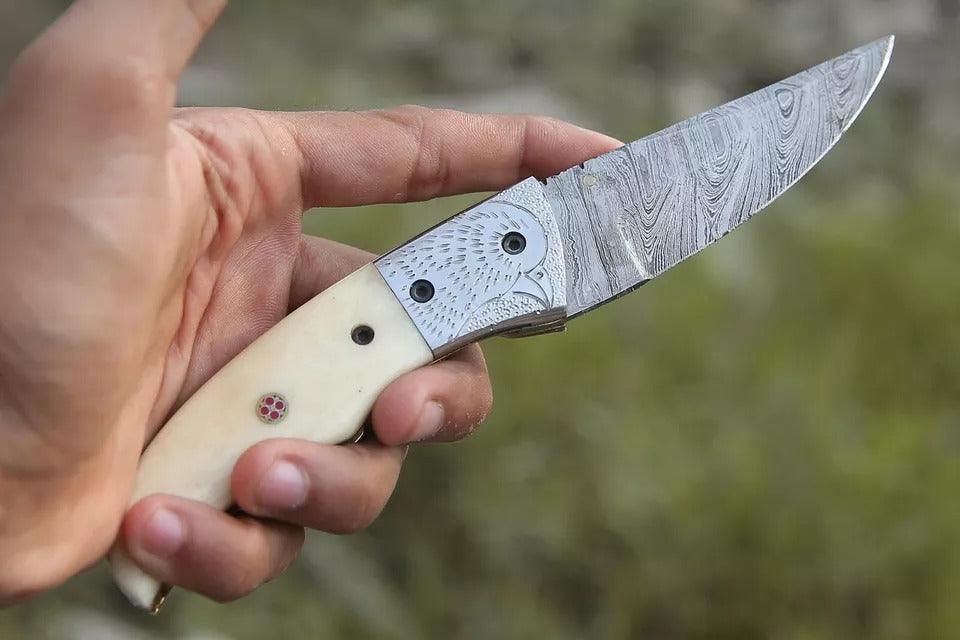
As societies grew and exchanged knowledge, the techniques for making knives evolved. The introduction of steel—a blend of iron and carbon—revolutionized blade making. Steel blades could hold a sharper edge and were less prone to breaking. Over time, smiths developed specialized methods such as pattern welding, which involved layering different types of steel to create blades with unique patterns and enhanced performance.
In regions like Japan, the forging of blades became an art form. The katana, for example, is the result of centuries of innovation in steel folding and tempering. Similarly, in the Middle East, Damascus steel became legendary for its strength and intricate designs. These regional variations highlight the diversity and creativity within the world of hand-forged knives.
Bladesmiths: The Artisans Behind the Craft
The role of the bladesmith is central to the history of hand forged knives. These skilled artisans dedicate years to mastering the craft, learning not only the technical aspects of forging but also the subtle art of balancing form and function. Each knife is a unique creation, reflecting the smith’s expertise and personal style.
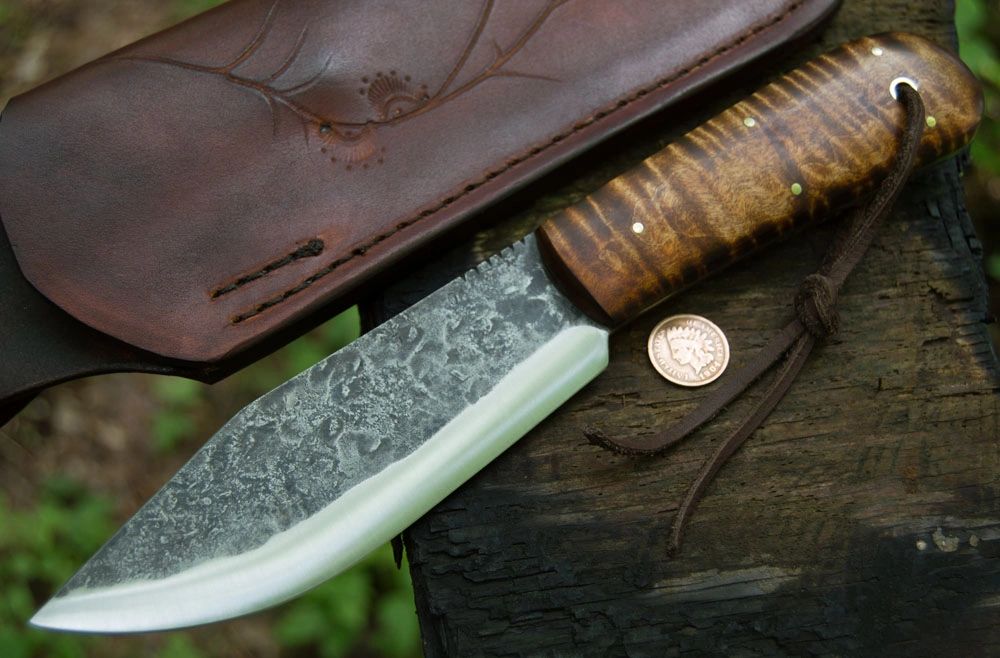
Traditional bladesmiths use time-honored tools: the forge, hammer, anvil, and tongs. The process is physically demanding and requires a keen eye for detail. From shaping the blade to hardening and tempering, every step influences the final product’s quality and performance. Many smiths also craft their own handles, often using wood, bone, or antler for both beauty and practicality.
Cultural Significance and Symbolism
Throughout history, knives have held deep symbolic meaning. In many cultures, a hand-forged blade is more than just a tool—it is a symbol of status, skill, and tradition. Ceremonial knives are used in rituals, rites of passage, and as treasured gifts. The process of forging itself is often imbued with spiritual or cultural significance, with some traditions viewing the act as a metaphor for personal transformation.
In Europe, guilds of bladesmiths maintained strict standards and passed down secrets from master to apprentice. In Asia, the making of swords and knives was closely linked to the warrior class and spiritual beliefs. Even today, collectors and enthusiasts value hand-forged knives not only for their utility but for their connection to the past.
Modern Revival and Contemporary Bladesmithing
In recent decades, there has been a resurgence of interest in traditional knife forging. Modern bladesmiths blend ancient techniques with new materials and technologies, creating knives that are both functional and works of art. Television shows, online tutorials, and social media have introduced a new generation to the craft, while custom knife makers enjoy growing recognition among chefs, outdoors enthusiasts, and collectors.
Today’s hand-forged knives often feature high-performance steels, innovative designs, and meticulous attention to detail. While machine-made blades are widely available, many people seek out hand-forged options for their durability, sharpness, and the unique story each piece carries.
Why Hand Forged Knives Remain Relevant
Despite advances in mass production, the appeal of hand-forged blades endures. These knives offer a level of quality and individuality that factory-made products cannot match. For professional chefs, hunters, and craftspeople, a well-made forged knife is an indispensable tool. For others, it is a cherished heirloom or a symbol of tradition and artistry.
The continued popularity of these blades reflects a broader appreciation for craftsmanship and authenticity. As people seek to reconnect with heritage and support skilled artisans, the legacy of bladesmiths remains as strong as ever.
Frequently Asked Questions
What Makes Hand Forged Knives Different from Factory-Made Knives?
Hand-forged knives are crafted individually by skilled bladesmiths using traditional methods. This process allows for greater control over the blade’s shape, hardness, and balance, resulting in a unique and durable tool. Factory-made knives are typically mass-produced, often sacrificing quality and individuality for efficiency.
How Should I Care for a Hand Forged Knife?
To maintain a hand-forged knife, always keep it clean and dry. Avoid putting it in the dishwasher, as harsh detergents and high heat can damage the blade and handle. Regularly oiling the blade and handle—especially if made from carbon steel or natural materials—will help prevent rust and preserve its appearance.
Are Hand Forged Knives Worth the Investment?
Many enthusiasts and professionals believe that hand-forged knives are well worth the investment. Their superior craftsmanship, longevity, and unique character set them apart from mass-produced alternatives. While they may cost more upfront, their performance and durability often make them a better value in the long run.