Finding the right artisan for a hand-forged knife is a decision that can impact your cooking, collecting, or outdoor experiences for years. Whether you’re a chef, home cook, or knife enthusiast, choosing a forged knife maker involves more than just browsing for a sharp blade. The process requires understanding craftsmanship, materials, reputation, and the subtle differences that set one smith apart from another. With so many options available, it’s important to know what to look for and how to evaluate your choices.
This guide breaks down the essential factors to consider when searching for a skilled bladesmith. From forging techniques to steel selection, and from design philosophy to after-sales support, you’ll learn how to make an informed decision. For those interested in the technical side, resources like the blade forging tutorial by a master smith provide deeper insight into the process and what separates a true craftsman from mass producers.
Understanding the Value of Hand-Forged Knives
Hand-forged knives are prized for their durability, unique aesthetics, and the personal touch of the maker. Unlike stamped or machine-made blades, each forged knife is shaped and refined by hand, often resulting in a stronger and more resilient edge. The forging process aligns the steel’s grain structure, which can enhance performance and longevity. When selecting a bladesmith, it’s crucial to appreciate the time, skill, and tradition that go into every blade.
Collectors and professionals alike value the individuality of forged knives. No two are exactly the same, and the subtle variations in pattern, handle material, and finish are part of their appeal. However, this uniqueness also means that the maker’s expertise and philosophy play a significant role in the final product.
Key Criteria for Selecting a Skilled Bladesmith
When evaluating options for choosing a forged knife maker, consider these important factors:
- Experience and Reputation: Look for makers with a proven track record and positive feedback from previous clients. Many reputable smiths have portfolios or testimonials available online.
- Forging Techniques: Investigate the methods used by the maker. Techniques like differential hardening, pattern welding (Damascus), and traditional quenching can influence performance and aesthetics.
- Material Selection: High-carbon steels, stainless alloys, and exotic materials each have their pros and cons. A knowledgeable smith will explain their choices and how they affect the knife’s use and care.
- Design Philosophy: Some makers specialize in kitchen knives, while others focus on outdoor or tactical blades. Choose a smith whose style and priorities align with your intended use.
- Attention to Detail: Examine fit and finish, handle ergonomics, and blade geometry. Precision in these areas is a hallmark of quality craftsmanship.
- After-Sales Support: Warranty, sharpening, and repair services can add value and peace of mind to your purchase.
Comparing Forged Knife Makers: What Sets Them Apart
Not all bladesmiths are created equal. Some have decades of experience and a signature style, while others may be newer to the craft but bring fresh ideas and techniques. Here are a few ways to compare makers:
- Portfolio Diversity: Review the range of knives they offer. A broad portfolio can indicate versatility and a willingness to customize.
- Recognition and Awards: Industry awards, guild memberships, or features in reputable publications can signal a maker’s standing in the community.
- Customer Communication: Responsive, knowledgeable makers are more likely to deliver a product that meets your expectations. Clear communication about timelines, materials, and care instructions is essential.
- Customization Options: Some smiths offer bespoke services, allowing you to select blade shape, steel, handle material, and decorative elements. This can be especially valuable for collectors or those with specific needs.
When choosing a forged knife maker, don’t hesitate to ask questions about their process, inspiration, and previous work. A reputable smith will be proud to discuss their craft and help you understand what makes their knives unique.
Evaluating Craftsmanship and Authenticity
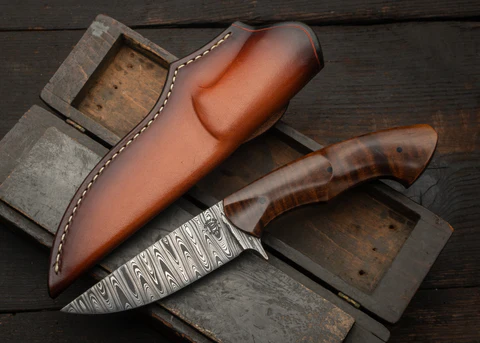
Authenticity is a key element in the world of hand-forged knives. Genuine bladesmiths often leave subtle marks of their process—hammer patterns, hand-filed spines, or unique maker’s stamps. These details not only add character but also serve as evidence of true handcraft. When examining a knife, look for:
- Consistent Grind and Edge: The blade should have a smooth, even grind and a sharp, continuous edge.
- Handle Fitment: The transition between blade and handle should be seamless, with no gaps or rough spots.
- Balance and Weight: A well-made knife feels balanced in the hand, with weight distributed for its intended use.
- Unique Finishes: Forged knives may display a variety of finishes, from polished to rustic. Choose what appeals to your taste and intended use.
Be wary of mass-produced blades marketed as “hand-forged.” Authentic makers are transparent about their process and happy to share photos or videos of their work. If possible, visit a smith’s workshop or attend a knife show to see their work firsthand.
Practical Tips for Making Your Decision
After narrowing down your options, consider these practical steps before making a purchase:
- Set a Budget: Hand-forged knives can range from affordable to highly collectible. Determine how much you’re willing to invest.
- Request References: Ask the maker for references or reviews from previous clients, especially if you’re commissioning a custom piece.
- Understand Lead Times: Custom knives often require weeks or months to complete. Clarify timelines and payment terms up front.
- Review Return and Warranty Policies: Ensure you understand the maker’s policies regarding defects, returns, and maintenance.
- Consider Long-Term Care: Ask about recommended care routines, sharpening services, and how to maintain the knife’s appearance and performance.
Taking these steps helps ensure that your investment is well-placed and that you’ll enjoy your knife for years to come.
Frequently Asked Questions
What is the main difference between a forged and a stamped knife?
Forged knives are shaped from a single piece of steel using heat and hammering, resulting in a denser, stronger blade. Stamped knives are cut from large sheets of steel and typically lack the durability and unique characteristics of forged blades.
How can I verify the authenticity of a hand-forged knife?
Look for signs of handcraft such as hammer marks, a maker’s stamp, and subtle variations in finish. Reputable makers are transparent about their process and often provide documentation or photos of their work. Visiting a workshop or reputable retailer can also help confirm authenticity.
Are hand-forged knives worth the investment?
For many users, the answer is yes. Hand-forged knives offer superior performance, longevity, and a unique connection to the maker. They often retain their value and can become cherished heirlooms. However, it’s important to choose a smith whose work matches your needs and expectations.