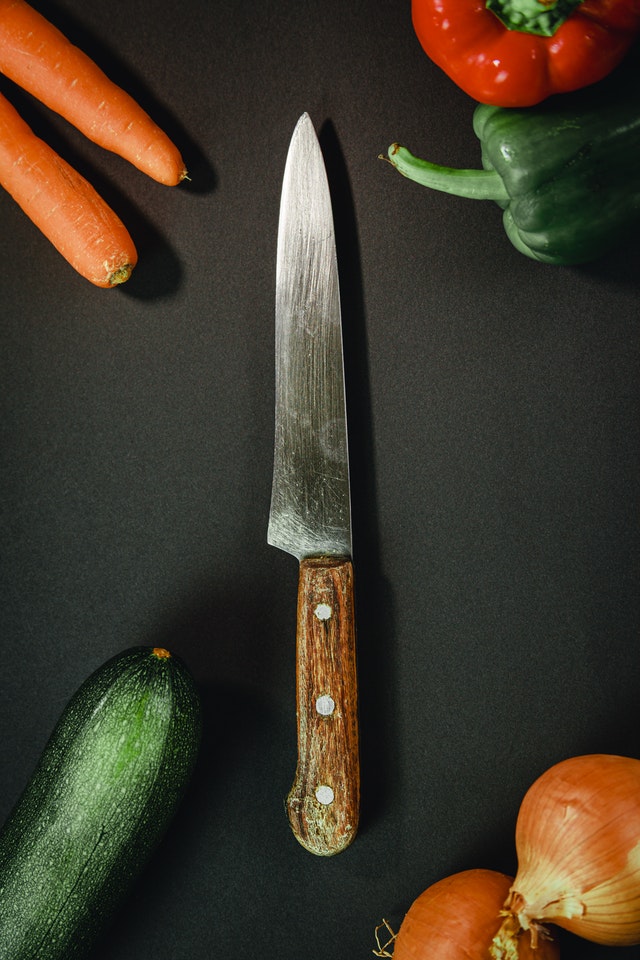

The world of culinary arts demands precision, reliability, and tools that can withstand the rigors of daily use. Among the most valued instruments in any kitchen are professional chef forged knives. These blades are not just tools—they are an extension of a chef’s skill and craftsmanship. Forged knives, shaped under intense heat and pressure, have long set the benchmark for quality and performance in both professional and home kitchens.
Understanding what sets forged knives apart, how they are made, and why chefs prefer them can help anyone—from aspiring cooks to seasoned professionals—make informed decisions when selecting kitchen tools. This article explores the standards, benefits, and considerations surrounding these essential culinary implements.
For those interested in the history and evolution of blade-making, exploring the art of sword forging from ancient techniques to modern innovations provides valuable context on how traditional methods influence today’s kitchen knives.
What Sets Forged Kitchen Knives Apart?
When comparing kitchen blades, the distinction between forged and stamped knives is significant. Forged chef knives are crafted from a single piece of steel, heated and hammered into shape. This process creates a denser, stronger blade with a pronounced bolster—the thick junction between the blade and handle—which offers balance and safety.
Key characteristics of forged knives include:
- Durability: The forging process aligns the steel’s grain, resulting in a tougher, longer-lasting edge.
- Balance: The added weight and bolster provide stability, making precise cuts easier and reducing fatigue.
- Edge Retention: Forged blades typically hold their sharpness longer than stamped alternatives.
- Craftsmanship: Each knife is shaped and finished with attention to detail, often involving hand-polishing and honing.
How Are Professional Chef Forged Knives Made?
The production of high-quality forged knives is a blend of tradition and innovation. It begins with a single billet of high-carbon stainless steel. The steel is heated to extreme temperatures, then hammered or pressed into the desired shape. This forging process not only hardens the steel but also improves its molecular structure, making the blade resilient and less prone to chipping or bending.
After forging, the blade is tempered—heated and cooled in controlled cycles—to achieve the right balance of hardness and flexibility. The knife is then ground, sharpened, and polished, with special attention given to the edge and bolster. Handles are attached using rivets or adhesives, and the finished product is inspected for quality.
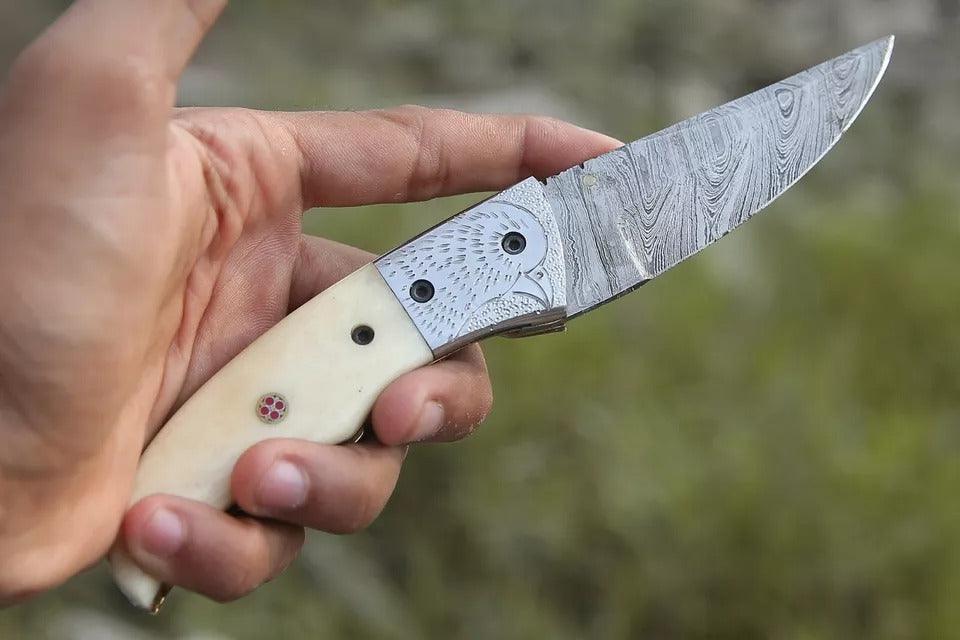
Benefits of Using Forged Blades in the Kitchen
Chefs around the world choose forged knives for a variety of reasons. The superior balance and weight distribution allow for more controlled and comfortable cutting motions. The robust construction means these knives can handle demanding tasks, from dicing root vegetables to breaking down large cuts of meat.
Other advantages include:
- Precision: The sharp, finely honed edge makes it easier to achieve clean, uniform cuts.
- Safety: The bolster acts as a finger guard, reducing the risk of slipping.
- Longevity: With proper care, a forged knife can last decades, often becoming a cherished heirloom.
Choosing the Right Forged Knife for Your Needs
Selecting the ideal forged knife depends on your cooking style and preferences. Some key factors to consider include:
- Blade Shape: Chef’s knives, santokus, and utility knives each serve different purposes. A chef’s knife is versatile, while a santoku excels at slicing and dicing.
- Handle Comfort: Look for ergonomic handles that fit your grip and reduce strain during extended use.
- Steel Type: High-carbon stainless steel offers a balance of sharpness and corrosion resistance.
- Maintenance: Forged knives require regular honing and occasional sharpening to maintain their edge.
When investing in a forged blade, it’s wise to handle several models to find one that feels balanced and comfortable. Many chefs recommend starting with a classic 8-inch chef’s knife, which covers most kitchen tasks.
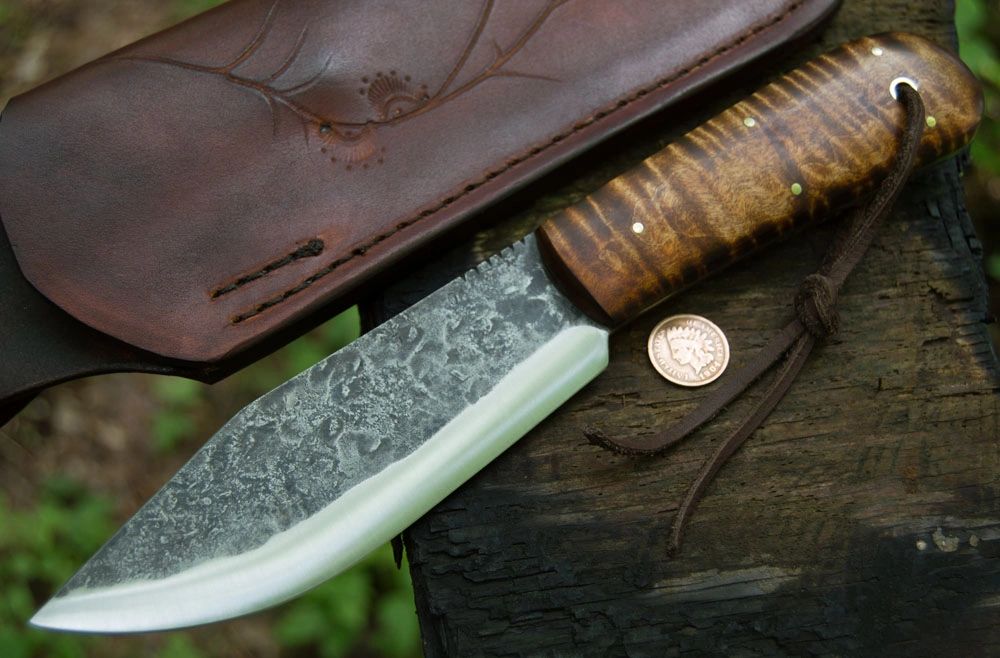
Care and Maintenance Tips for Forged Knives
To maximize the lifespan and performance of your forged kitchen knives, proper care is essential. Here are some practical tips:
- Hand Wash Only: Avoid dishwashers, as harsh detergents and high heat can damage the blade and handle.
- Dry Immediately: Wipe the knife dry after washing to prevent rust or staining.
- Store Safely: Use a knife block, magnetic strip, or blade guard to protect the edge and prevent accidents.
- Regular Honing: Use a honing steel to realign the edge before each use. Sharpen with a whetstone or professional service as needed.
By following these steps, your forged knife will remain sharp, safe, and ready for any culinary challenge.
Comparing Forged and Stamped Knives
While forged knives are prized for their strength and balance, stamped knives—cut from sheets of steel and heat-treated—are lighter and often less expensive. Stamped blades can be suitable for lighter tasks or for those on a budget, but they typically lack the heft, durability, and edge retention of their forged counterparts.
For serious cooks and professionals, the investment in a forged knife pays off in performance, safety, and longevity.
Frequently Asked Questions
What is the main difference between forged and stamped chef knives?
Forged knives are made from a single piece of steel that is heated and shaped, resulting in a denser, stronger blade with a bolster for balance. Stamped knives are cut from steel sheets and tend to be lighter and less robust.
How often should I sharpen my forged kitchen knife?
With regular honing, a forged knife may only need sharpening every few months, depending on usage. If you notice the blade struggling to cut cleanly, it’s time to sharpen it using a whetstone or professional service.
Are forged knives worth the investment for home cooks?
Yes, many home cooks find that forged knives offer superior control, durability, and comfort. While the upfront cost is higher, the long-term value and performance make them a worthwhile addition to any kitchen.