The world of handcrafted knives is defined by more than just sharp edges and functional design. The knife forging craftsmanship value lies in the blend of skilled artistry, tradition, and attention to detail that transforms raw metal into a unique tool. Each forged blade carries the mark of its maker, reflecting a process where technique and creativity intersect. Understanding why the artistic side of forging matters helps collectors, chefs, and enthusiasts appreciate the deeper significance behind every handmade knife.
Before exploring the techniques and cultural importance of this craft, it’s worth noting that resources like the blade forging tutorial by Jim Saviano, Master Smith offer a closer look at the skills and dedication required to master this art.
The Essence of Hand-Forged Knives
At the heart of every hand-forged blade is a story. Unlike mass-produced knives, those created by skilled smiths are the result of hours of labor, careful material selection, and a deep respect for tradition. The craftsmanship value in knife forging comes from the way artisans shape and refine steel, often using time-honored methods passed down through generations. Each hammer strike, heat treatment, and finishing touch is a testament to the maker’s expertise.
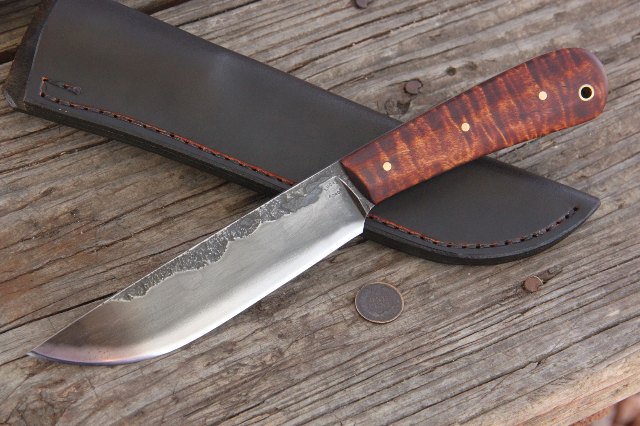
Collectors and users alike recognize that a forged knife is more than a tool—it’s a piece of functional art. The individuality of each blade, from its subtle curves to the unique patterns in the steel, showcases the maker’s vision and technical skill. This uniqueness is what sets forged knives apart and makes them highly sought after by those who value authenticity and artistry.
How Artistic Expression Enhances Knife Value
Artistry in knife making is not just about aesthetics. It’s about infusing personality and meaning into every piece. When a smith chooses a particular forging technique or decorative element, they’re making creative decisions that impact both the look and performance of the knife. This artistic input is a key factor in the value of knife forging craftsmanship.
Decorative touches such as hand-engraved bolsters, custom handle materials, and intricate blade finishes add layers of distinction. These elements often require specialized skills and a keen eye for design, further elevating the finished product. For many, owning a forged knife is about connecting with the maker’s story and the cultural heritage behind the craft.
Traditional Techniques and Modern Innovations
Knife forging is rooted in centuries-old practices, but today’s artisans often blend tradition with innovation. Classic methods like Damascus steel layering, differential heat treatment, and hand-polishing are still widely used. These techniques are valued for their ability to produce blades with superior strength, edge retention, and visual appeal.
At the same time, modern smiths may incorporate new materials or experiment with contemporary designs. This fusion of old and new keeps the craft evolving while maintaining its core values. The importance of craftsmanship in knife forging is evident in the way makers adapt and refine their processes to meet the needs of today’s users without sacrificing quality or authenticity.
Key Elements That Define Forged Knife Quality
- Material Selection: High-carbon steels, tool steels, and specialty alloys are chosen for their performance and workability.
- Heat Treatment: Proper hardening and tempering ensure a balance between sharpness and durability.
- Blade Geometry: The shape and thickness of the blade affect cutting performance and handling.
- Handle Crafting: Custom handles made from wood, bone, or synthetic materials add comfort and style.
- Finishing Touches: Polishing, etching, and engraving personalize each knife and showcase the maker’s skill.
Cultural and Personal Significance of Forged Knives
Beyond their practical use, hand-forged knives carry cultural and personal meaning. In many regions, blacksmithing is a respected tradition, and knives are often passed down as family heirlooms. The craftsmanship value in these blades is not just about function—it’s about preserving heritage and expressing identity.
For chefs, hunters, and outdoor enthusiasts, a forged knife can become an extension of the hand, trusted for its reliability and feel. The connection between maker and user is strengthened by the knowledge that the blade was shaped with care and intention. This emotional resonance is a significant part of what makes forged knives so treasured.
Why Collectors and Professionals Choose Forged Blades
Discerning collectors and culinary professionals often seek out forged knives for their superior performance and lasting value. The tactile feedback, balance, and edge retention of a hand-forged blade are difficult to replicate with factory-made alternatives. For many, the investment is justified by the longevity and reliability that come from meticulous craftsmanship.
Additionally, the ability to commission custom work allows users to specify blade shapes, handle materials, and decorative features that suit their preferences. This level of personalization is only possible through direct collaboration with skilled smiths, further enhancing the value of knife forging craftsmanship in the eyes of enthusiasts.
FAQ
What Makes Hand-Forged Knives More Valuable Than Factory-Made Ones?
Hand-forged knives are valued for their unique character, superior materials, and the skill involved in their creation. Each blade is crafted individually, resulting in better balance, durability, and a personal touch that mass-produced knives lack.
How Can You Identify Quality Craftsmanship in a Forged Knife?
Look for even blade geometry, a smooth transition between blade and handle, and attention to detail in finishing. High-quality forged knives often feature custom touches like hand-engraving or unique handle materials, and they feel balanced and comfortable in hand.
Are Forged Knives Worth the Investment for Everyday Use?
Yes, many users find that forged knives offer better performance and longevity, making them a worthwhile investment for both professional and home kitchens. Their durability and ease of maintenance often outweigh the higher upfront cost.