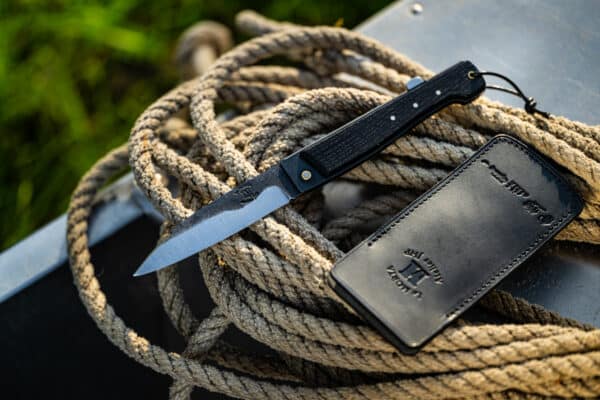
The art of crafting a paring knife is rooted in centuries-old traditions, yet continues to evolve with modern techniques. These small, nimble blades are essential for precision tasks in the kitchen, such as peeling, trimming, and intricate cutting. Understanding paring knife forging methods helps both enthusiasts and professionals appreciate the craftsmanship behind these indispensable tools.
Forging a detail blade involves a blend of skill, material science, and attention to fine details. Whether you’re a collector, a home cook, or someone interested in the process, learning about the various approaches to making these knives can enhance your appreciation for their performance and longevity. For a deeper dive into traditional Japanese processes, you might find the step-by-step Sakai knife process particularly insightful.
Understanding the Basics of Forging Paring Knives
Forging is a process where metal is shaped by heating and hammering, resulting in a blade with improved strength and resilience. For paring knives, the goal is to create a thin, sharp, and agile blade that excels at detailed work. The forging process can be broken down into several key stages:
- Material selection: High-carbon steel and stainless steel are popular choices for their edge retention and corrosion resistance.
- Heating: The steel is heated in a forge until it becomes malleable.
- Shaping: Hammering and pressing shape the blade, forming the tang, spine, and tip.
- Grinding and finishing: After forging, the blade is ground to its final thickness and sharpened.
- Heat treatment: Hardening and tempering processes ensure the blade holds a keen edge while remaining tough.
Each step requires precision, especially for smaller knives where even minor imperfections can affect performance.
Traditional Hand-Forging Techniques for Detail Blades
Many artisans still use hand-forging techniques to create paring knives with unique character and performance. This approach involves manually shaping the heated steel on an anvil with a hammer, allowing for fine control over the blade’s profile and thickness. The smith can adjust the geometry to suit specific uses, such as peeling fruit or deveining shrimp.
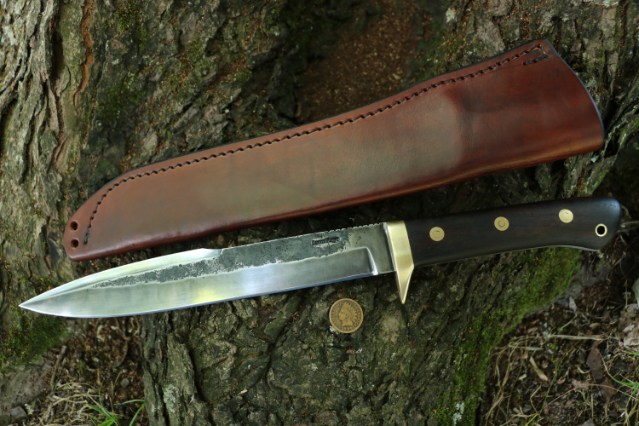
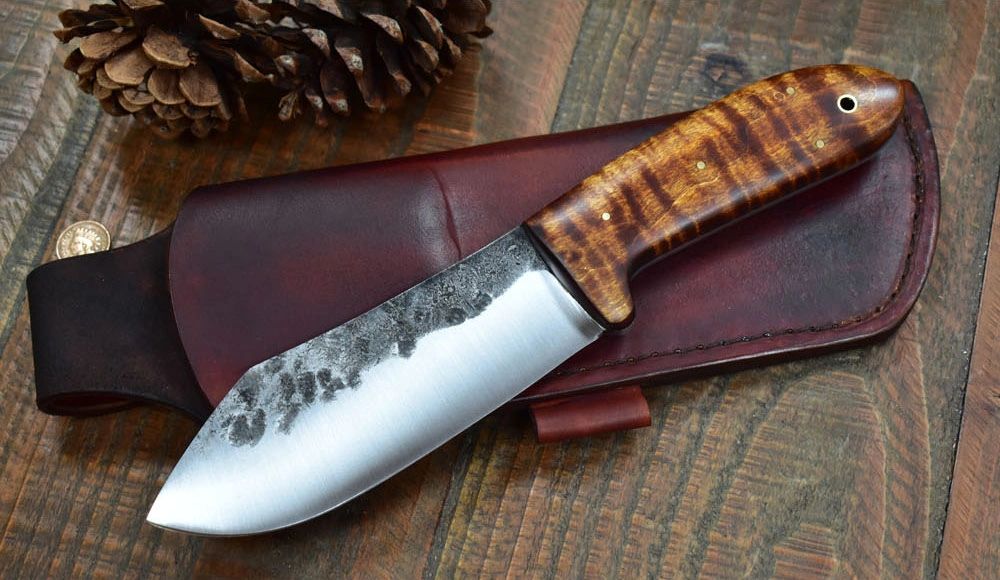
Hand-forged knives often display subtle variations and a distinctive grain pattern known as “forge marks,” which are prized by collectors and chefs alike. The process is labor-intensive but results in a blade that feels balanced and responsive in the hand.
Modern Forging Approaches for Paring Knives
While hand-forging remains popular among custom makers, many manufacturers use modern forging methods to produce paring knives at scale. Drop forging, for example, involves placing a heated billet of steel into a die and striking it with a mechanical hammer. This process ensures consistency and allows for the production of large quantities without sacrificing basic quality.
Some advanced techniques include:
- Precision forging: Computer-controlled hammers and dies create blades with exact dimensions and minimal waste.
- Powder metallurgy: Fine metal powders are compressed and sintered, resulting in blades with uniform grain structure and exceptional edge retention.
- Laser and waterjet cutting: These methods are sometimes combined with forging to achieve intricate shapes before final heat treatment and finishing.
Modern processes can produce paring knives that rival hand-forged blades in sharpness and durability, though some enthusiasts still prefer the character of artisan-made knives.
Heat Treatment and Finishing in Detail Blade Crafting
The performance of a paring knife depends heavily on its heat treatment. After forging, the blade is hardened by heating it to a specific temperature and then quenching it in oil or water. This increases the steel’s hardness, allowing it to hold a sharp edge. However, excessive hardness can make a blade brittle, so tempering is performed to restore some flexibility.
Finishing steps include:
- Grinding: Refining the blade’s thickness and edge geometry for optimal cutting performance.
- Polishing: Smoothing the surface to reduce drag and prevent food from sticking.
- Sharpening: Creating a razor-sharp edge suitable for precision tasks.
- Handle attachment: Securing the tang within a handle made from wood, composite, or synthetic materials for comfort and control.
Attention to detail in these stages ensures the final product is both beautiful and functional.
Comparing Forged and Stamped Paring Knives
It’s important to distinguish between forged and stamped paring knives. Forged blades are shaped from a single piece of steel and typically feature a bolster (the thick junction between blade and handle), providing balance and strength. Stamped knives, on the other hand, are cut from flat sheets of steel and heat-treated, but lack the density and durability of their forged counterparts.
While stamped knives are often more affordable and lighter, forged paring knives are valued for their longevity, edge retention, and overall feel. For those who prioritize precision and control, investing in a forged blade is often worthwhile.
Choosing the Right Forging Method for Your Needs
Selecting a paring knife involves considering the forging method, intended use, and personal preferences. Hand-forged knives offer unique aesthetics and a custom feel, while modern forged blades provide consistency and reliability. The choice of steel, heat treatment, and finishing also play crucial roles in the knife’s performance.
For those interested in the heritage and process behind their kitchen tools, exploring traditional forging techniques can be rewarding. Meanwhile, those seeking high performance with minimal maintenance may prefer modern forged or even powder metallurgy blades.
Frequently Asked Questions
What are the main advantages of forged paring knives?
Forged paring knives are known for their strength, balance, and durability. The forging process aligns the steel’s grain structure, resulting in a blade that holds its edge longer and withstands repeated use. Many chefs and home cooks find that forged blades offer better control for intricate tasks.
How do traditional and modern forging methods differ?
Traditional forging relies on manual hammering and shaping, producing unique blades with individual character. Modern methods, such as drop forging and precision forging, use machines and dies to create consistent shapes at scale. Both methods can produce high-quality knives, but traditional techniques are often favored by collectors and enthusiasts for their craftsmanship.
Is there a difference in maintenance between forged and stamped paring knives?
Forged paring knives generally require similar maintenance to stamped knives, including regular honing and occasional sharpening. However, because forged blades are often made from higher-quality steel and have a thicker spine, they may hold their edge longer and be less prone to bending or chipping. Proper care, such as hand washing and drying, will extend the life of any knife.