The world of premium cutlery is defined by a blend of tradition, innovation, and meticulous attention to detail. Discerning chefs and collectors alike seek out knives that not only perform exceptionally but also showcase the finest materials and craftsmanship. Understanding what sets a truly high-quality forged knife apart can help you make an informed investment, whether for your kitchen or collection.
In this guide, we’ll explore the essential characteristics that distinguish top-tier forged knives. From the forging process itself to the subtle design elements that enhance usability and longevity, every aspect matters. If you’re considering an upgrade or simply want to appreciate the artistry behind these tools, read on for a comprehensive look at the most sought-after attributes.
For those interested in the traditional methods that underpin these exceptional blades, you may find it fascinating to learn more about the art of forging and traditional blade making techniques.
What Defines a Premium Forged Knife?
At the heart of every elite kitchen or outdoor knife lies a process that transforms raw steel into a functional work of art. Forged knives are shaped from a single piece of metal, heated and hammered into form, which results in a denser, stronger blade compared to stamped alternatives. This method provides several advantages:
- Superior durability due to the alignment of the steel’s grain structure during forging.
- Improved balance and weight distribution, making the knife comfortable and precise in hand.
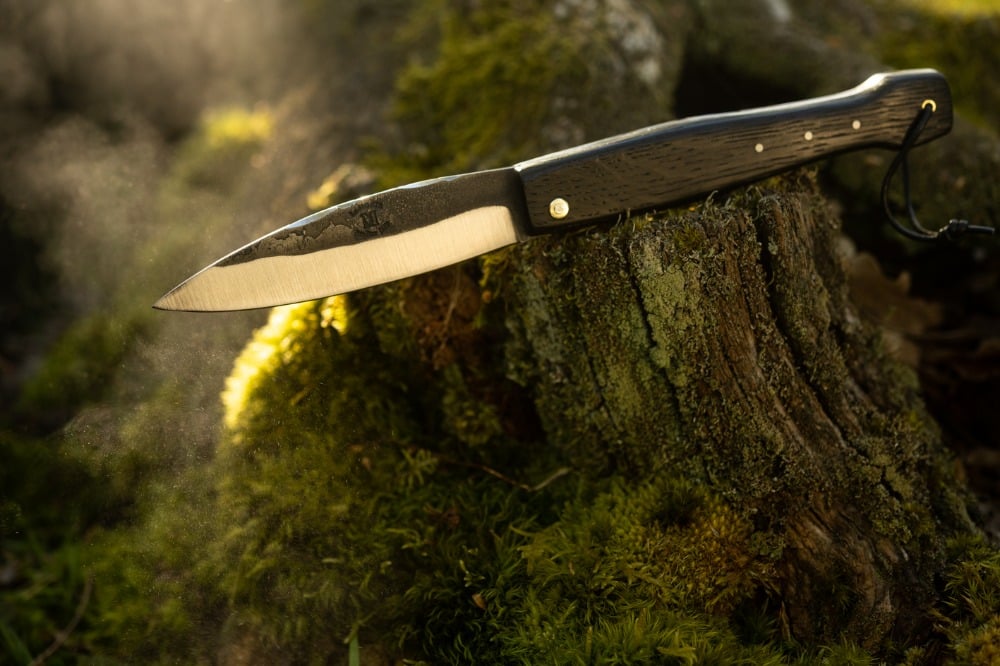
- Distinctive aesthetics such as visible forging marks or a pronounced bolster.
The forging process is not just about strength—it’s also about control. Skilled smiths can fine-tune the thickness, taper, and geometry of the blade, ensuring optimal performance for specific tasks.
Blade Materials and Metallurgy
One of the defining high end forged knife features is the use of advanced or rare steels. Premium blades often utilize high-carbon stainless steel, powder metallurgy steels, or even traditional carbon steels for those who value sharpness and ease of honing.
- High-carbon stainless steel offers a balance of edge retention, corrosion resistance, and toughness.
- Damascus steel is prized for its layered patterns and combination of hardness and flexibility.
- Powder metallurgy allows for ultra-fine grain structures, resulting in exceptional sharpness and wear resistance.
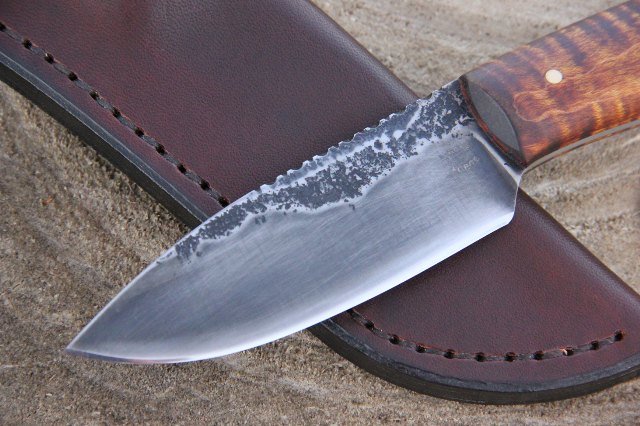
The choice of steel impacts not only the knife’s performance but also its maintenance needs and visual appeal. Many top-tier knives feature a visible grain or pattern, a testament to the smith’s skill and the quality of the materials used.
Precision Edge Geometry and Sharpness
The ability to achieve and maintain a razor-sharp edge is a hallmark of a luxury forged knife. The geometry of the blade—its thickness, grind, and angle—directly affects cutting performance. Some key aspects include:
- Thin, even grinds that reduce resistance and make slicing effortless.
- Acute edge angles (often 15–20 degrees per side) for superior sharpness.
- Hand-finished edges that are honed and polished for maximum precision.
Many artisans use traditional whetstones or advanced sharpening systems to achieve a mirror-polished edge. This attention to detail ensures that each knife not only looks stunning but also performs at the highest level.
Handle Craftsmanship and Ergonomics
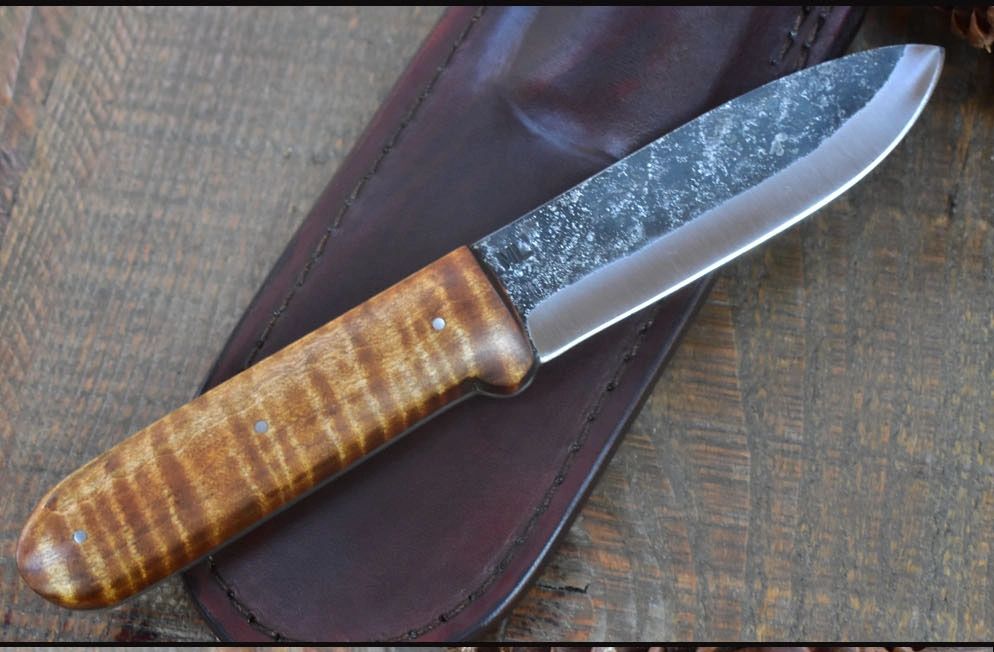
While the blade is the star, the handle is where comfort and control come into play. High-end knives often feature handles crafted from rare or stabilized woods, micarta, G10, or even bone and horn. Look for these features:
- Seamless fit and finish between blade and handle, with no gaps or rough edges.
- Full tang construction for strength and balance.
- Ergonomic shaping that fits naturally in the hand, reducing fatigue during extended use.
- Decorative elements such as mosaic pins, filework, or inlays that add character and uniqueness.
A well-designed handle not only enhances the knife’s appearance but also ensures safety and precision. The choice of materials and the quality of assembly are clear indicators of a maker’s commitment to excellence.
Distinctive Bolsters, Spines, and Finishing Touches
Another hallmark of luxury forged knives is the attention paid to the bolster, spine, and other finishing details. The bolster—the thick junction between blade and handle—adds balance and acts as a finger guard. In premium knives, this area is often carefully shaped and polished for both comfort and aesthetics.
- Rounded spines and choils for a comfortable pinch grip.
- Mirror or satin finishes that resist corrosion and highlight the steel’s beauty.
- Hand-engraved or etched logos that signify authenticity and pride in craftsmanship.
These subtle details may seem minor, but they contribute to the overall experience of using and owning a fine knife. They also reflect the maker’s dedication to producing a flawless product.
Balance, Weight, and Handling
The way a knife feels in your hand is just as important as its cutting ability. High-end forged knives are engineered for optimal balance, with the center of gravity typically located at the bolster or just in front of it. This allows for effortless control and reduces strain during repetitive tasks.
- Even weight distribution for precise, fatigue-free use.
- Custom tuning by master smiths to suit different preferences and cutting styles.
- Attention to tactile feedback, ensuring the knife feels like an extension of your hand.
Whether you’re slicing vegetables, portioning meat, or performing intricate cuts, the right balance and weight make all the difference.
Signs of Authentic Craftsmanship
In a market filled with mass-produced options, recognizing genuine artisanal work is crucial. Look for knives that come with a maker’s mark, certificate of authenticity, or a documented forging process. Many reputable makers also offer warranties or sharpening services, standing behind their products for life.
- Visible forging marks or subtle imperfections that indicate handwork.
- Unique serial numbers or limited edition runs.
- Direct communication with the maker or brand, providing insight into their philosophy and methods.
Investing in a premium forged knife is about more than just performance—it’s about owning a piece of functional art, crafted with passion and expertise.
Care and Maintenance for Longevity
Even the finest knives require proper care to maintain their beauty and function. Here are some essential tips:
- Hand-wash and dry immediately to prevent corrosion or staining.
- Store in a knife block, magnetic strip, or protective sheath to avoid edge damage.
- Use a honing rod regularly and sharpen as needed with appropriate tools.
- Avoid cutting on hard surfaces like glass or stone.
With the right maintenance, a high-quality forged knife can last for generations, developing character and patina over time.
Frequently Asked Questions
What makes a forged knife superior to a stamped knife?
Forged knives are created from a single piece of steel that is heated and shaped, resulting in a denser, stronger blade with better balance. Stamped knives, on the other hand, are cut from flat sheets of steel and generally lack the durability and refined features of their forged counterparts.
How can I identify a genuine high-end forged knife?
Look for signs such as a full tang, seamless fit and finish, a pronounced bolster, high-quality materials, and a maker’s mark or certificate of authenticity. Premium knives often feature unique design elements and are accompanied by documentation from the maker.
Are premium forged knives worth the investment?
For those who value performance, longevity, and craftsmanship, investing in a top-tier forged knife is worthwhile. These knives offer superior cutting ability, comfort, and aesthetic appeal, making them a pleasure to use and own for years to come.