Achieving clean, precise cuts in the kitchen often comes down to using the right tool for the job. For chefs, butchers, and home cooks alike, a narrow boning knife stands out as an essential piece of equipment when it comes to tasks that demand accuracy and control. With its slender, sharp blade and ergonomic design, this specialized knife is crafted to separate meat from bone, trim fat, and handle delicate filleting with ease.
Whether you’re preparing poultry, deboning fish, or trimming beef, the unique shape and flexibility of a boning knife make it invaluable for intricate work. Understanding its features, proper uses, and how to select the best one can elevate your food preparation skills and help you achieve restaurant-quality results at home.
For a deeper dive into the many ways this knife can be used, check out this comprehensive overview of boning knife applications from culinary experts.
What Sets a Narrow Boning Knife Apart?
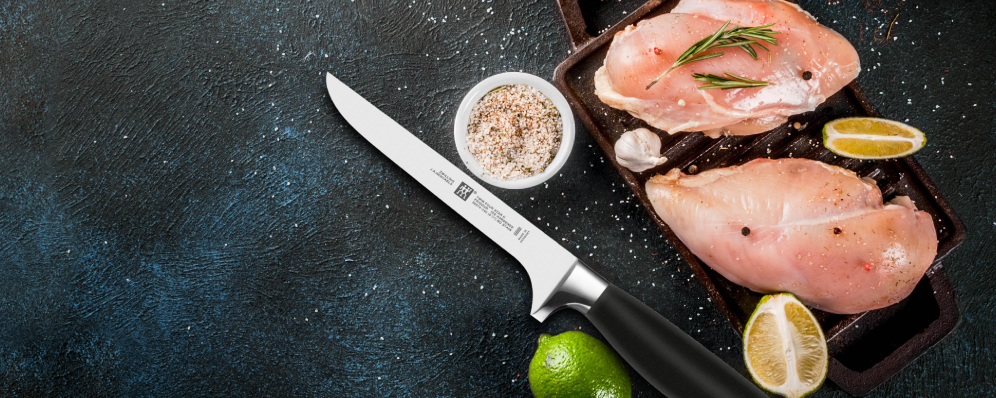
The defining characteristic of a narrow boning knife is its slim, pointed blade—typically ranging from 5 to 7 inches in length. This design allows for precise maneuvering around bones, joints, and connective tissue, minimizing waste and preserving the integrity of the meat. The blade is usually slightly flexible, which aids in following the natural contours of poultry, fish, or red meat.
- Blade Shape: The narrow, tapered blade excels at making deep, controlled cuts.
- Flexibility: A semi-flexible or flexible blade is ideal for fish and delicate proteins, while a stiffer blade works well for larger cuts of meat.
- Handle Design: Ergonomic handles provide a secure grip, reducing hand fatigue during repetitive tasks.
Key Uses for a Boning Knife with a Slim Blade
This versatile kitchen tool is designed for a variety of specialized tasks. Here are some of the most common uses:
- Deboning Poultry: The pointed tip and narrow blade make it easy to work around joints and remove bones from chicken, turkey, or duck.
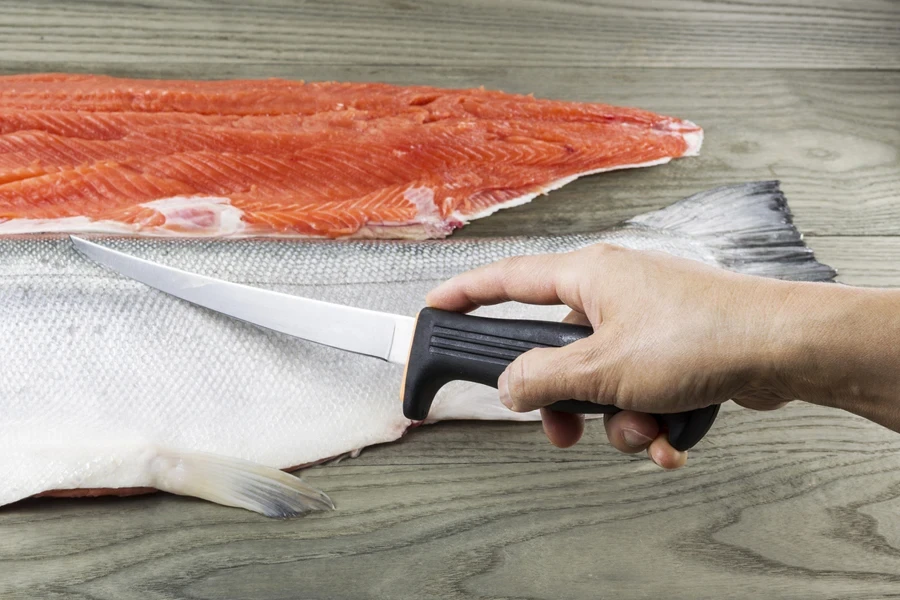
- Filleting Fish: Its flexibility allows for smooth, even cuts along the backbone and ribs, resulting in clean fillets with minimal waste.
- Trimming Meat: Use it to remove silver skin, fat, or sinew from beef, pork, or lamb for more refined cuts.
- Frenching Racks: The knife’s precision is perfect for scraping meat and fat from rib bones to create an elegant presentation.
Choosing the Right Knife for Your Kitchen
When selecting a boning knife with a narrow blade, consider the types of proteins you prepare most often. For those who frequently work with fish or poultry, a flexible blade offers the best control. If you handle larger cuts of meat, a stiffer blade may provide the strength needed for tougher jobs.
Additional factors to weigh include:
- Blade Material: High-carbon stainless steel is popular for its sharpness and resistance to corrosion.
- Handle Comfort: Look for a handle that fits comfortably in your hand and offers a non-slip grip, especially if you’ll be working with wet or greasy ingredients.
- Maintenance: Some knives are dishwasher-safe, but hand washing is generally recommended to preserve the blade’s edge and prevent damage.
Proper Care and Maintenance Tips
Keeping your narrow boning knife in top condition ensures safety and longevity. Here are some basic care guidelines:
- Always wash the knife by hand with mild soap and water, then dry it immediately to prevent rust.
- Store the knife in a protective sheath or on a magnetic strip to avoid dulling the blade.
- Regularly hone the edge with a sharpening steel; for best results, have it professionally sharpened as needed.
- Avoid using the knife on hard surfaces like glass or stone, which can damage the blade.
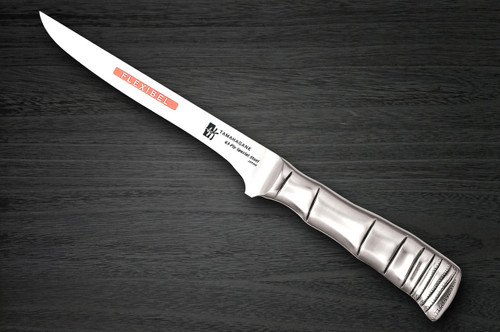
Comparing Boning Knives to Other Kitchen Blades
While there are many types of knives available, the narrow boning knife fills a unique niche. Unlike a chef’s knife, which is designed for general chopping and slicing, the boning knife’s slender profile and pointed tip are optimized for detail work. Paring knives, though small, lack the length and flexibility needed for deboning, while fillet knives are typically longer and even more flexible, making them ideal for fish but less versatile for meat.
| Knife Type | Best For | Blade Features |
|---|---|---|
| Boning Knife (Narrow) | Deboning, trimming, filleting | Slender, pointed, semi-flexible |
| Chef’s Knife | Chopping, slicing, dicing | Wide, curved, rigid |
| Fillet Knife | Filleting fish | Long, very flexible, thin |
| Paring Knife | Peeling, small detail work | Short, rigid, pointed |
Frequently Asked Questions
What is the main advantage of using a boning knife with a narrow blade?
The primary benefit is its ability to make precise, controlled cuts around bones and joints. The slim blade reduces waste and helps maintain the integrity of the meat, making it ideal for tasks like deboning poultry or filleting fish.
Can a narrow boning knife be used for filleting fish?
Yes, many cooks use this type of knife for filleting fish, especially when the blade is flexible. It allows for smooth, close cuts along the bones, resulting in clean fillets with minimal effort.
How do I keep my boning knife sharp and in good condition?
Regular honing with a sharpening steel, hand washing, and proper storage are key. Avoid using the knife on hard surfaces, and consider professional sharpening periodically to maintain the blade’s edge.