Maintaining proper hygiene in the kitchen is essential for food safety, especially when handling tools that come into direct contact with raw meat and poultry. Among these, the boning knife stands out as a specialized utensil that requires particular attention to cleanliness. Understanding and following boning knife sanitation rules not only helps prevent cross-contamination but also ensures that your meals are both delicious and safe to eat.
Whether you’re a professional chef or a home cook, knowing how to clean, sanitize, and store your boning knife is a fundamental part of responsible food preparation. This guide covers essential practices, highlights common mistakes, and offers practical tips to keep your kitchen safe. For those interested in exploring top-rated knives, you may also want to review this comprehensive boning knife buying guide.
Why Proper Knife Hygiene Matters
Using a boning knife for tasks such as trimming fat, removing bones, or filleting fish exposes the blade to raw proteins and bacteria. If not cleaned and sanitized correctly, these contaminants can transfer to other foods, utensils, or surfaces, increasing the risk of foodborne illness. Adhering to strict sanitation rules for boning knives is a critical step in minimizing these hazards.
Essential Steps for Cleaning and Sanitizing Boning Knives
Consistent and thorough cleaning is the foundation of safe knife use. Here’s a step-by-step approach to ensure your boning knife is always ready for safe cooking:
- Rinse Immediately After Use: As soon as you finish using the knife, rinse it under warm running water to remove any food particles. This prevents residue from drying and sticking to the blade.
- Wash With Soap and Water: Use a mild dish soap and a non-abrasive sponge or cloth. Scrub both sides of the blade, the handle, and any grooves or joints. Avoid using steel wool, as it can scratch the blade and harbor bacteria.
- Sanitize Thoroughly: After washing, sanitize the knife by dipping it in a solution of one tablespoon of unscented liquid chlorine bleach per gallon of water. Let it soak for at least one minute, then rinse with clean water.
- Dry Completely: Use a clean towel to dry the knife immediately. Air drying is not recommended, as moisture can promote bacterial growth and cause rust.
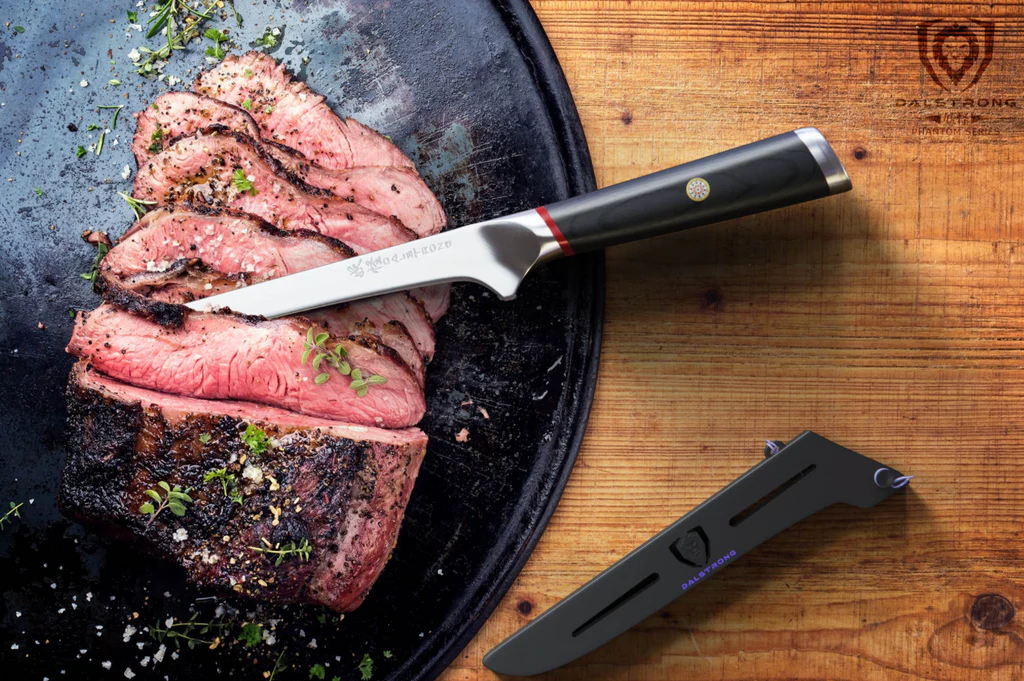
- Store Safely: Place the clean, dry knife in a designated knife block, magnetic strip, or protective sheath to prevent contamination and accidental injury.
Common Mistakes to Avoid With Knife Sanitation
Even experienced cooks sometimes overlook important details when cleaning their knives. Here are some frequent errors to watch out for:
- Leaving Knives Soaking in Water: Prolonged soaking can damage the handle and cause rust, especially on high-carbon steel blades.
- Using Dishwashers: The high heat and harsh detergents in dishwashers can dull the blade and loosen the handle. Always wash boning knives by hand.
- Neglecting the Handle: Bacteria can accumulate in the crevices of the handle or bolster. Clean these areas thoroughly every time.
- Improper Storage: Tossing a clean knife into a drawer can lead to contamination and dulling. Always use a knife block, sheath, or magnetic strip.
How to Prevent Cross-Contamination in the Kitchen
Preventing the spread of bacteria is a key part of boning knife sanitation rules. Here are some practical measures to minimize the risk:
- Use Separate Knives for Different Foods: If possible, dedicate one knife for raw meats and another for vegetables or cooked foods.
- Clean Surfaces and Tools: Disinfect cutting boards, countertops, and other utensils after each use, especially when switching between different types of food.
- Wash Hands Frequently: Always wash your hands with soap and water before and after handling raw meat or using your boning knife.
- Replace Worn or Damaged Knives: Cracks in the handle or blade can harbor bacteria. Replace any knife that shows signs of damage.
Best Practices for Long-Term Knife Maintenance
In addition to daily cleaning, regular maintenance extends the life of your boning knife and keeps it safe for use. Here are some recommended practices:
- Sharpen Regularly: A sharp knife is safer and easier to clean, as it requires less force and is less likely to slip.
- Inspect for Damage: Check the blade and handle for chips, cracks, or loose parts before each use.
- Oil the Blade: For carbon steel knives, apply a light coat of food-safe mineral oil after cleaning to prevent rust.
- Keep Out of Reach of Children: Store knives in a secure location to prevent accidents.
Frequently Asked Questions
How often should I sanitize my boning knife?
You should sanitize your boning knife after every use, especially when switching between different types of food such as raw meat and vegetables. This ensures harmful bacteria are eliminated before the next use.
Is it safe to clean a boning knife in the dishwasher?
No, dishwashers can damage the blade and handle of your boning knife. Hand washing with soap, water, and proper sanitizing methods is always recommended for both safety and longevity.
What should I do if my knife develops rust or stains?
If you notice rust or stains, clean the blade with a paste of baking soda and water, then rinse and dry thoroughly. For persistent rust, use a gentle abrasive pad. Prevent future rust by drying the knife immediately after washing and applying a light coat of food-safe oil if needed.
Can I use the same knife for raw and cooked foods?
It’s best to use separate knives for raw and cooked foods to prevent cross-contamination. If you must use the same knife, clean and sanitize it thoroughly between uses.