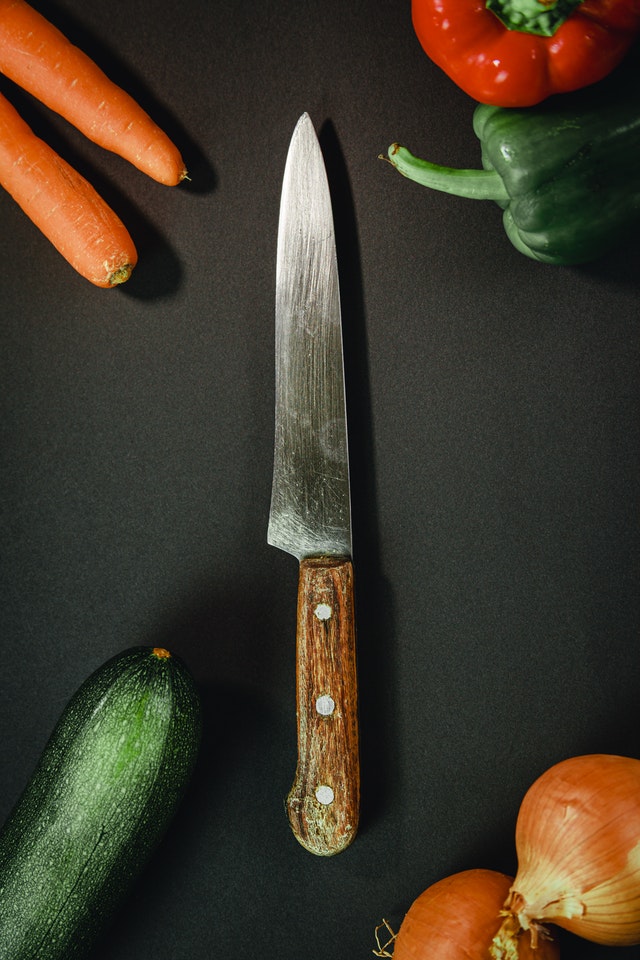

Wooden knife handles bring a classic look and comfortable grip to your kitchen tools, but they require special care to stay beautiful and functional. Over time, exposure to moisture, heat, and daily use can cause wood to dry out, crack, or become discolored. Proper upkeep not only extends the life of your knives but also ensures a safe, hygienic experience every time you cook.
In this article, you’ll find practical steps and expert tips for caring for wood-handled knives. Whether you’re a home cook or a collector, learning how to maintain wooden handles will help you preserve the quality and appearance of your favorite kitchen tools. For more knife care advice, you can also explore this comprehensive guide to sharpening knives.
Why Wooden Knife Handles Need Special Care
Wood is a natural material that reacts to its environment. Unlike plastic or metal, it can absorb water, oils, and odors. If neglected, wood may warp, split, or harbor bacteria. Regular maintenance keeps handles smooth, prevents damage, and maintains their attractive finish.
- Moisture can cause swelling, cracking, or mold growth.
- Dryness leads to brittleness and splintering.
- Improper cleaning can strip away protective oils and finishes.
Daily Cleaning and Handling Tips
The foundation of wooden handle maintenance is proper daily care. After each use, follow these steps to keep your handles in top shape:
- Hand wash only: Never put wood-handled knives in the dishwasher. The high heat and harsh detergents can ruin the wood and loosen the handle.
- Use mild soap and warm water: Gently clean the handle with a soft sponge or cloth. Avoid soaking the knife or letting water sit on the wood.
- Dry immediately: Wipe the handle thoroughly with a dry towel. Letting it air dry can cause water spots or swelling.
- Store properly: Keep knives in a block, on a magnetic strip, or in a sheath to protect the handle from knocks and excess moisture.
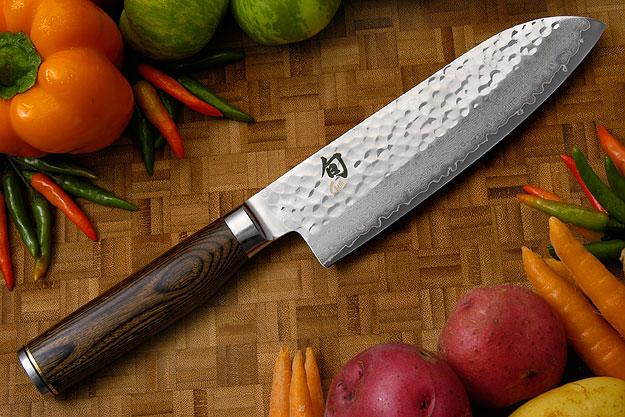
Deep Cleaning and Disinfecting Wooden Handles
Over time, food particles and oils can build up on the handle. For a deeper clean, use these steps:
- Mix a gentle cleaning solution: Combine a few drops of mild dish soap with warm water.
- Scrub gently: Use a soft-bristled brush or cloth to clean the handle, paying attention to grooves or textured areas.
- Disinfect naturally: Wipe the handle with a diluted white vinegar solution (one part vinegar to four parts water) to kill bacteria. Avoid harsh chemicals that can damage the wood.
- Rinse and dry: Wipe off any residue with a damp cloth, then dry thoroughly.
Oiling and Conditioning: The Key to Long-Lasting Handles
One of the most important aspects of how to maintain wooden handles is regular oiling. This process nourishes the wood, prevents drying, and enhances its natural beauty.
Choosing the Right Oil
Use a food-safe oil such as mineral oil, beeswax, or a blend designed for cutting boards and utensils. Avoid vegetable oils, as they can go rancid and leave unpleasant odors.
How to Apply Oil
- Clean and dry the handle before oiling.
- Apply a small amount of oil to a soft cloth or paper towel.
- Rub the oil into the wood using circular motions, covering the entire handle.
- Let it soak in for at least 15–30 minutes, or overnight for very dry handles.
- Wipe off excess oil with a clean, dry cloth.
Repeat this process every few weeks, or whenever the wood looks dry or dull.
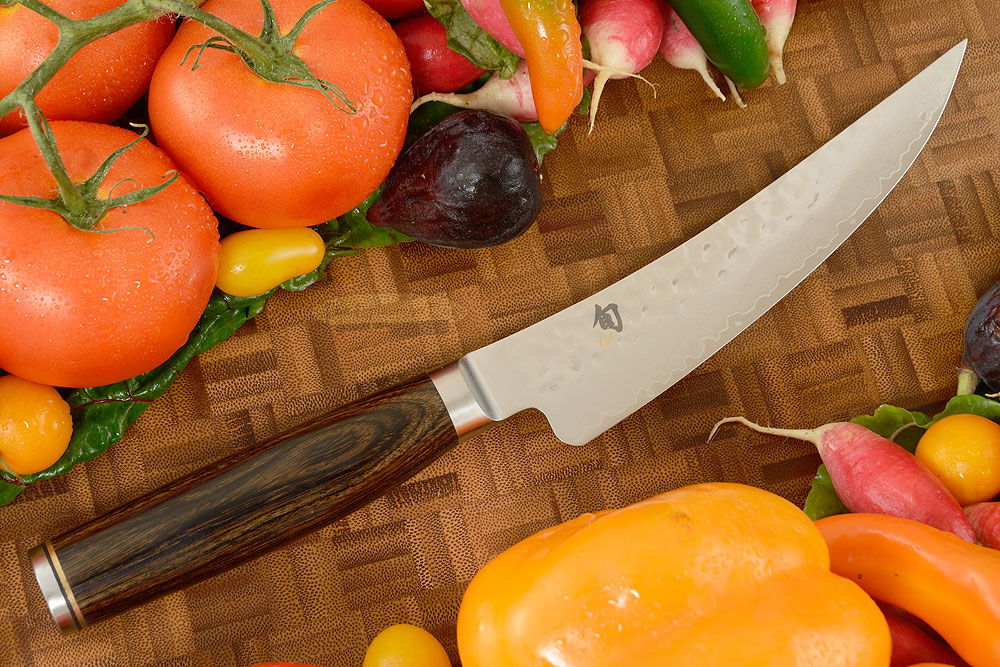
Common Mistakes to Avoid with Wood Handles
- Soaking in water: Never leave your knife in a sink or submerged in water. This can cause swelling, splitting, and loosen the handle.
- Using harsh detergents: Strong chemicals strip away natural oils and damage the finish.
- Exposing to extreme temperatures: Avoid leaving knives near stoves, dishwashers, or in direct sunlight.
- Neglecting regular oiling: Skipping this step leads to dryness and cracking.
Signs Your Wooden Handle Needs Attention
Regular inspection helps you spot problems early. Look for:
- Visible cracks or splits
- Rough, dry, or faded appearance
- Loose or wobbly handle
- Sticky residue or unpleasant odors
If you notice any of these issues, clean and oil the handle promptly. For loose handles, consult a professional for repair.
Frequently Asked Questions
How often should I oil my wooden knife handles?
For most home cooks, oiling every 3–4 weeks is sufficient. If you use your knives daily or live in a dry climate, you may need to oil them more frequently. Always oil when the wood starts to look dry or loses its sheen.
Can I use olive oil or other cooking oils on wooden handles?
It’s best to avoid cooking oils like olive or vegetable oil, as they can become sticky or rancid over time. Use food-safe mineral oil, beeswax, or specialized wood conditioners for the best results.
What should I do if my wooden handle gets moldy?
Clean the handle thoroughly with a mild soap and water solution, then disinfect with diluted vinegar. Dry it completely and apply oil. If mold persists or the wood is deeply affected, consider replacing the handle or consulting a professional.