The importance of knife balance is often underestimated, yet it plays a significant role in both professional and home kitchens. A well-balanced knife not only enhances precision and control but also reduces fatigue and risk of injury. Understanding how balance affects your cutting tools can transform your cooking experience, making meal preparation faster, safer, and more enjoyable.
Whether you are a seasoned chef or just starting to explore the culinary world, grasping the fundamentals of knife balance is essential. This guide explores how the distribution of weight in a knife impacts efficiency, what to look for when choosing your next blade, and practical tips for improving your technique. For those interested in the technical aspects of knife construction, you can learn more about different types of knife edges and their effects on performance.
Understanding Knife Balance and Its Role in the Kitchen
At its core, knife balance refers to how weight is distributed between the blade and the handle. A balanced knife feels comfortable in the hand, allowing for smooth, controlled movements. When the weight is evenly distributed, the user can guide the blade with less effort, resulting in cleaner cuts and improved accuracy.
The balance of a kitchen knife is typically found at the point where the blade meets the handle, known as the bolster. This spot acts as a pivot, giving the user better control over the knife’s motion. If the knife is too blade-heavy, it can cause strain on the wrist and make delicate tasks more challenging. Conversely, a handle-heavy knife may feel awkward and reduce cutting efficiency.
Why Proper Knife Balance Matters for Cooking Efficiency
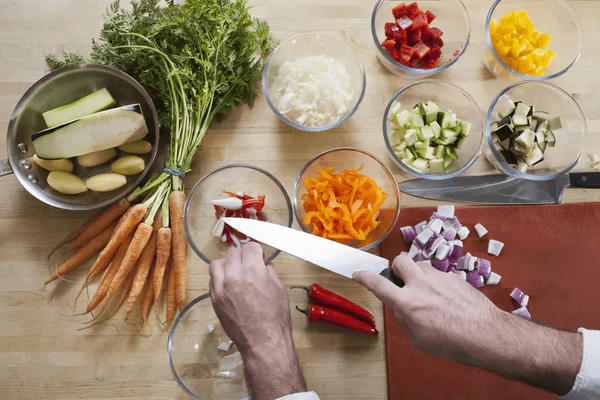
The importance of knife balance becomes especially clear during repetitive tasks such as chopping, slicing, or dicing. A well-balanced knife allows for a natural rocking motion, minimizing the effort required and reducing hand fatigue. This is crucial for both professional chefs, who may spend hours prepping ingredients, and home cooks aiming for consistent results.
Here are some key benefits of using a balanced knife:
- Improved Precision: Even weight distribution provides greater control, resulting in uniform cuts.
- Reduced Fatigue: Less strain on the wrist and hand means you can prep ingredients for longer periods without discomfort.
- Enhanced Safety: A stable knife is less likely to slip, lowering the risk of accidental cuts.
- Consistent Results: Balanced knives help maintain a steady rhythm, making it easier to achieve professional-looking dishes.
How to Test and Identify a Well-Balanced Knife
Selecting a knife with proper balance is a straightforward process. Here are some practical steps to evaluate a knife’s balance before making a purchase or using it in your kitchen:
- Pinch Grip Test: Hold the knife where the blade meets the handle (the bolster) using your thumb and index finger. The knife should remain level and not tip forward or backward. This indicates even weight distribution.
- Cutting Motion: Try a few slicing or chopping motions. A balanced knife will feel stable and require minimal effort to guide through food.
- Comfort in Hand: Pay attention to how the knife feels during use. If you notice strain or awkwardness, the balance may not be suitable for your grip or style.
Factors That Influence Knife Balance
Several elements contribute to how a knife is balanced. Understanding these factors can help you make informed choices when selecting new kitchen tools:
- Blade Length and Thickness: Longer or thicker blades add weight to the front, which can affect the balance point.
- Handle Material: Dense materials like stainless steel or hardwood increase handle weight, while lighter materials such as plastic or composite shift the balance toward the blade.
- Bolster Design: A full bolster adds weight at the junction of the blade and handle, often resulting in a more balanced feel.
- Tang Construction: Full-tang knives, where the blade extends through the handle, typically offer better balance and durability.
Tips for Maintaining Optimal Knife Balance
Even the best knives can lose their balance over time due to wear, damage, or improper maintenance. Here are some practical tips to keep your knives performing at their best:
- Regular Sharpening: Keeping the edge sharp ensures efficient cutting and prevents the need for excessive force, which can throw off your technique.
- Proper Storage: Use a knife block, magnetic strip, or blade guard to protect both the blade and handle from damage.
- Handle Care: Wooden handles may require occasional oiling to prevent drying and cracking, which can affect balance.
- Check for Damage: Inspect your knives regularly for chips, bends, or loose handles that could impact their performance.
Choosing the Right Knife for Your Needs
Selecting a knife that feels balanced in your hand is a personal decision. What works for one person may not suit another, so it’s important to try different styles and weights. Visit a kitchen supply store to handle various knives, or consult with culinary professionals for recommendations.
Consider these points when shopping for a new knife:
- Purpose: Different tasks require different knives. A chef’s knife is versatile, while a paring knife offers precision for small jobs.
- Weight: Choose a knife that feels neither too heavy nor too light for your comfort and cutting style.
- Handle Shape: Ergonomic handles can enhance grip and control, contributing to a more balanced feel.
- Material: Both blade and handle materials affect the overall balance and durability.
Frequently Asked Questions
What is the best way to check if a knife is balanced?
The most effective method is the pinch grip test. Hold the knife at the bolster with your thumb and index finger. If the knife stays level and doesn’t tip forward or backward, it is well-balanced.
Does knife balance affect safety in the kitchen?
Yes, a balanced knife is easier to control, which reduces the risk of slips and accidental cuts. Proper balance also minimizes fatigue, helping you maintain focus and precision.
Can a knife lose its balance over time?
While the physical balance of a knife is determined during manufacturing, damage to the blade or handle can alter its feel. Regular maintenance and proper storage help preserve the original balance.
Are heavier knives better than lighter ones?
Not necessarily. The ideal weight depends on your personal preference and the tasks you perform most often. The key is finding a knife that feels comfortable and balanced in your hand.