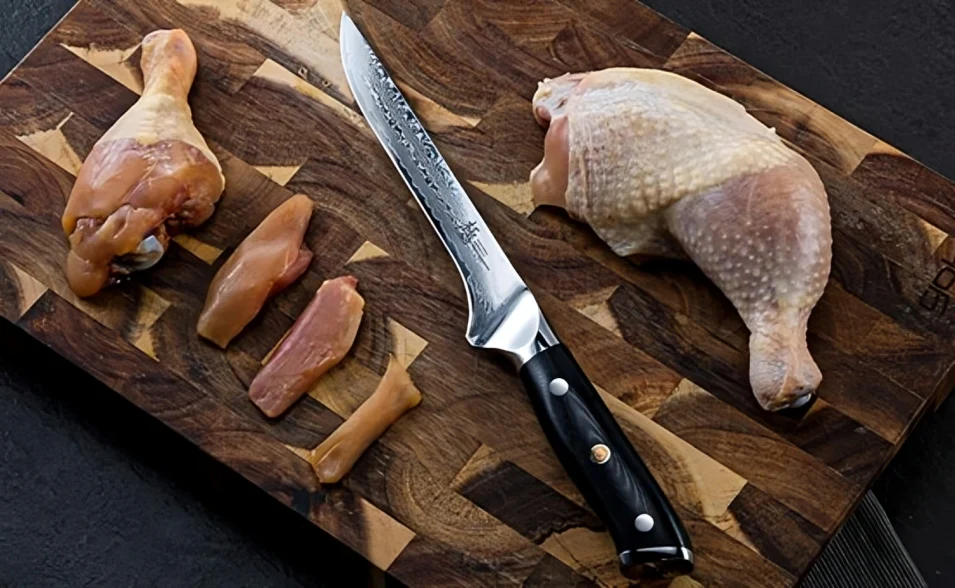
A well-cared-for boning knife is essential for anyone who regularly prepares meat, poultry, or fish. Proper boning knife maintenance not only extends the life of your blade but also ensures safety and precision with every use. Whether you’re a home cook or a professional chef, understanding the best ways to clean, sharpen, and store your knife will help you achieve cleaner cuts and prevent accidents.
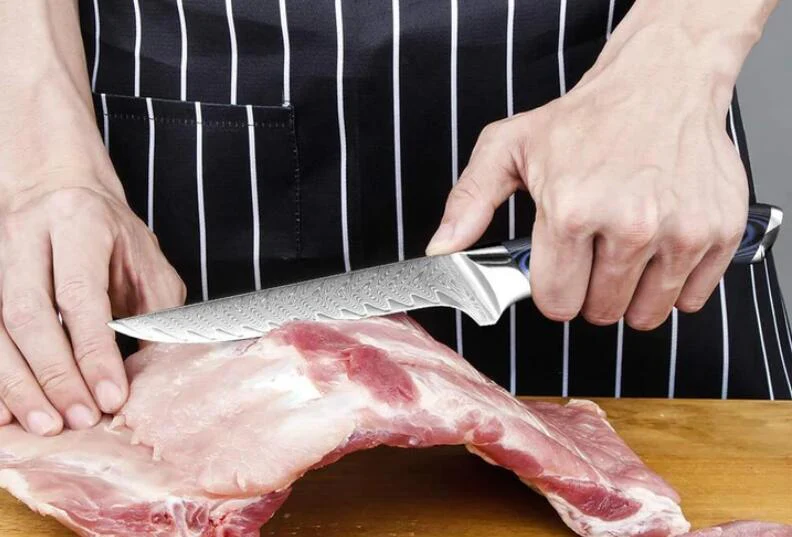
Before diving into the specifics, it’s important to recognize that a boning knife is uniquely designed for removing bones and trimming fat, making it a crucial tool in the kitchen. If you’re curious about the various uses and benefits of this knife, you can find a detailed overview in this comprehensive guide to boning knife uses.
Why Proper Care Matters for Your Boning Knife
Regular upkeep of your boning knife ensures it remains sharp, safe, and effective. Neglecting maintenance can lead to dull edges, rust, and even permanent damage. A well-maintained blade glides through meat with less effort, reducing the risk of slips and injuries. Additionally, proper cleaning prevents cross-contamination and preserves the knife’s appearance.
Cleaning Techniques for Longevity
After each use, it’s vital to clean your boning knife thoroughly. Begin by rinsing the blade under warm water to remove any debris. Use a mild dish soap and a soft sponge or cloth to gently scrub away residue. Avoid abrasive pads, as they can scratch the blade and handle.
- Hand wash only: Dishwashers can damage the blade and handle due to high heat and harsh detergents.
- Dry immediately: Use a soft towel to dry the knife right after washing to prevent water spots and rust.
- Sanitize as needed: If you’ve worked with raw meat or fish, consider wiping the blade with a diluted bleach solution (one tablespoon of bleach per gallon of water), then rinse and dry thoroughly.
Sharpening and Honing: Keeping the Edge Razor-Sharp
Consistent sharpening is a key aspect of boning knife maintenance. A sharp blade makes precise cuts and reduces the risk of accidents. There are two main processes to keep your knife in top shape: honing and sharpening.
Honing Your Blade
Honing realigns the edge of the blade and should be done frequently, ideally before or after each use. Use a honing steel and hold the knife at a 15-20 degree angle. Gently run the blade along the steel from heel to tip, alternating sides. This process doesn’t remove metal but keeps the edge straight and ready for action.
Sharpening Methods
Over time, even with regular honing, your knife will need sharpening. This process removes a small amount of metal to restore the edge. You can use a whetstone, manual sharpener, or have it professionally sharpened. For best results:
- Soak the whetstone (if required) and use the coarse side first, then the fine side.
- Maintain a consistent angle (usually 15-20 degrees) as you slide the blade across the stone.
- Finish by rinsing and drying the knife thoroughly.
Safe Storage Solutions for Your Boning Knife
Storing your knife properly is just as important as cleaning and sharpening. The right storage prevents dulling, accidental cuts, and damage to the blade. Consider these options:
- Knife block: Keeps blades separated and protected from other utensils.
- Magnetic strip: Allows for easy access and air circulation, reducing moisture buildup.
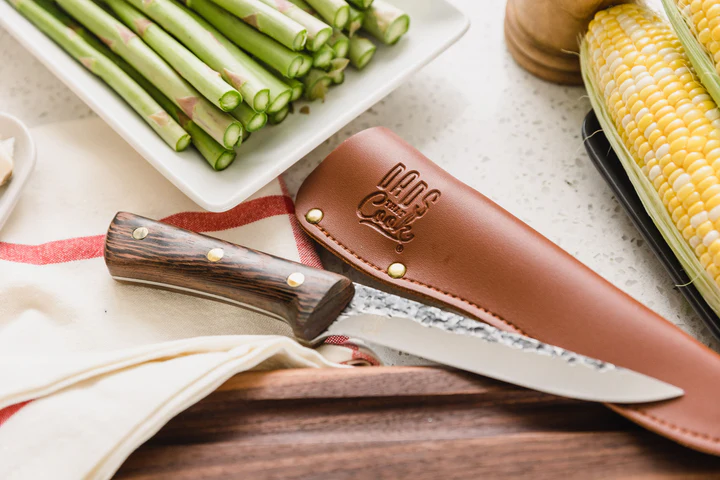
- Blade guard or sheath: Ideal for storing knives in drawers or transporting them safely.
Common Mistakes to Avoid in Knife Care
Even with the best intentions, it’s easy to make errors that can shorten your knife’s lifespan. Here are some pitfalls to watch out for:
- Leaving the knife wet or soaking in water, which can cause rust and handle damage.
- Using the blade on hard surfaces like glass or stone, which dulls the edge quickly.
- Attempting to cut through bones or frozen foods, which can chip or bend the blade.
- Neglecting regular honing and sharpening, leading to a dull and unsafe knife.
Tips for Maintaining Different Boning Knife Materials
Boning knives come in various materials, each requiring slightly different care:
- Stainless steel: Resists rust but still benefits from immediate drying and occasional oiling of the pivot or handle.
- High-carbon steel: Holds a sharp edge longer but is more prone to rust; always dry thoroughly and consider applying a light coat of food-safe mineral oil.
- Composite or synthetic handles: Easy to clean, but avoid prolonged exposure to water or high heat.
Frequently Asked Questions
How often should I sharpen my boning knife?
The frequency depends on usage, but for most home cooks, sharpening every few months is sufficient. Regular honing between uses will help maintain the edge and reduce the need for frequent sharpening.
Can I put my boning knife in the dishwasher?
It’s best to avoid dishwashers, as the high heat and harsh detergents can damage both the blade and handle. Hand washing is recommended for all quality knives.
What is the best way to store a boning knife?
Use a knife block, magnetic strip, or blade guard to protect the edge and prevent accidents. Avoid tossing knives into a drawer without protection.
Is it necessary to oil my boning knife?
For high-carbon steel blades, applying a thin layer of food-safe mineral oil can help prevent rust. Stainless steel knives generally do not require oiling, but it can be beneficial for long-term storage.
Conclusion
Consistent boning knife maintenance is the key to keeping your blade sharp, safe, and ready for any kitchen task. By following proper cleaning, sharpening, and storage practices, you’ll extend the life of your knife and enjoy effortless, precise cuts every time. Investing a little time in care pays off with better performance and greater safety, making your boning knife a reliable tool for years to come.