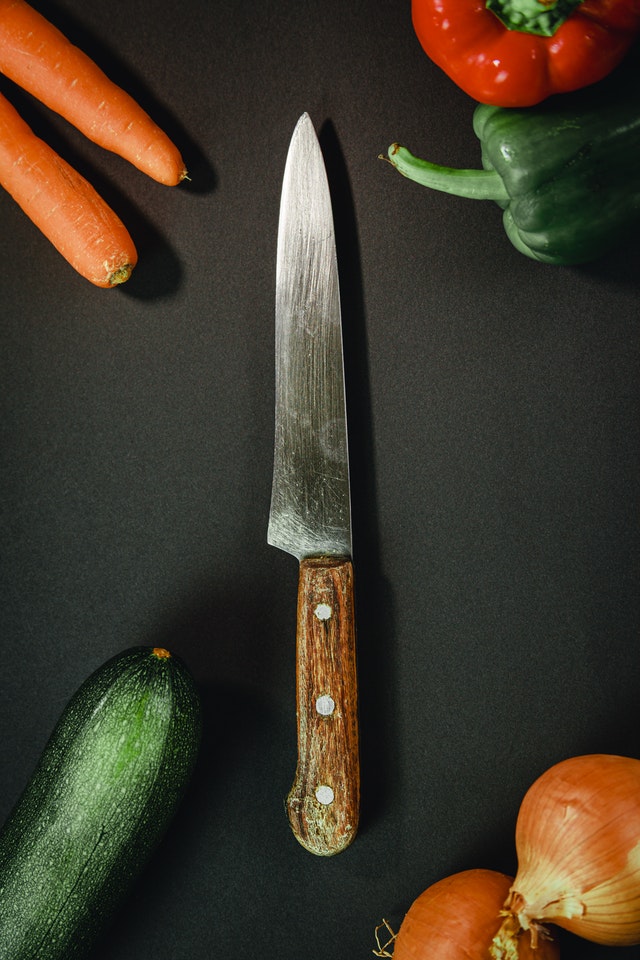
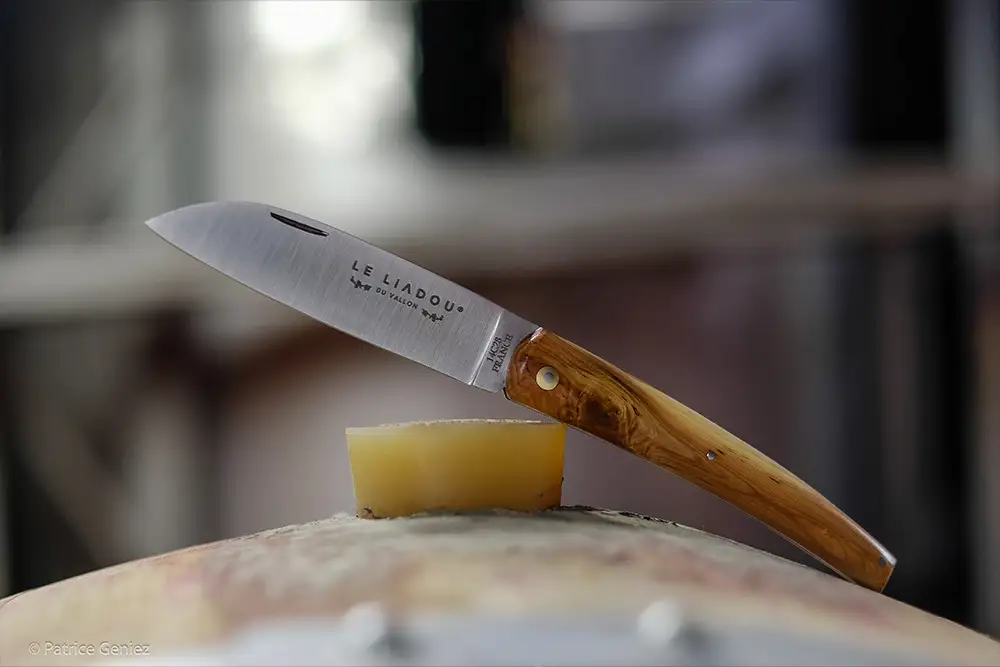
Maintaining the original shine and appearance of your kitchen blades is a priority for many cooks and collectors. Over time, especially with carbon steel or high-carbon stainless blades, a darkened layer known as patina can form. While some appreciate this natural aging process, others prefer to keep their knives looking as new as possible. Understanding the causes and best practices for minimizing patina is essential for anyone who values their cutlery’s appearance and longevity.
In this article, you’ll find practical methods to keep your blades bright, learn about the science behind patina formation, and discover which care routines are most effective. If you’re interested in sharpening techniques as well, you might find this guide to knife sharpening tricks helpful for overall blade maintenance.
Understanding Patina and Why It Forms
Patina is a thin layer that develops on the surface of metal due to oxidation and exposure to moisture, acids, and other environmental factors. For kitchen knives, this often happens when cutting acidic foods like tomatoes, onions, or citrus fruits. The process is more pronounced with carbon steel blades, but even stainless steel can show signs of discoloration over time.
While patina can act as a protective barrier against rust, it also changes the appearance of your blade. Some chefs intentionally encourage patina for its rustic look, but if you prefer a bright, clean finish, taking steps to slow or prevent this process is important.
Best Practices for Minimizing Patina on Kitchen Blades
To keep your knives looking their best, adopt a regular care routine. Here are some proven methods to help reduce or prevent patina:
- Clean Immediately After Use: Rinse and dry your knife as soon as you’re done cutting, especially after working with acidic foods. Don’t let moisture or food residue sit on the blade.
- Hand Wash Only: Avoid dishwashers, as the heat and detergents can accelerate oxidation and dull the finish.
- Dry Thoroughly: Use a soft towel to dry the blade completely, paying attention to the edge and handle junction where moisture can linger.
- Apply a Light Oil: After cleaning and drying, wipe the blade with a thin layer of food-safe mineral oil or camellia oil. This creates a barrier against moisture and air.
- Store Properly: Keep knives in a dry place, such as a knife block, magnetic strip, or sheath. Avoid leaving them in damp sinks or on wet countertops.
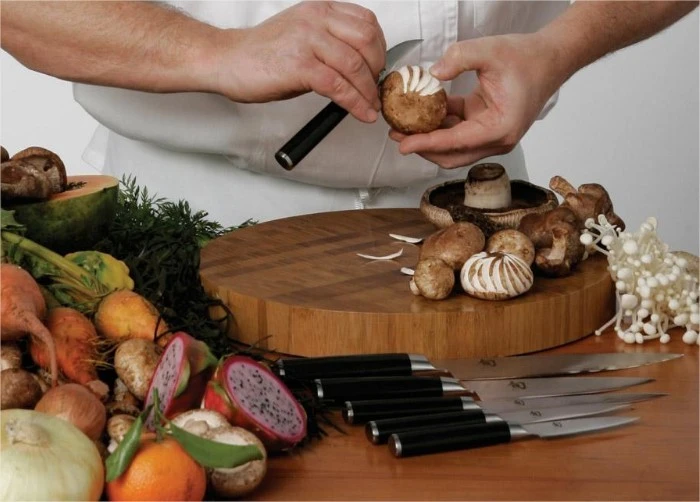
Choosing the Right Knife Material to Avoid Discoloration
The type of steel used in your knives greatly affects their tendency to develop patina. Here’s a quick comparison:
| Steel Type | Patina Resistance | Care Requirements |
|---|---|---|
| High-Carbon Steel | Low | Frequent cleaning and oiling needed |
| Stainless Steel | High | Less prone, but still benefits from drying and oiling |
| Powdered Steel | Very High | Minimal care required, but not immune |
If you want to minimize maintenance, opt for stainless or powdered steel blades. However, even these materials benefit from proper cleaning and drying to keep them looking their best.
Additional Tips for Keeping Knives Bright and Clean
- Use a Cutting Board: Choose wood or plastic boards instead of glass or stone, which can scratch and expose more metal to oxidation.
- Avoid Prolonged Contact with Acidic Foods: Prep acidic ingredients last, or wipe the blade frequently during use.
- Polish Occasionally: Use a non-abrasive metal polish or a baking soda paste to gently remove early signs of patina. Always rinse thoroughly before using the knife for food.
- Inspect Regularly: Check your knives for early signs of discoloration and address them promptly to prevent deeper staining.
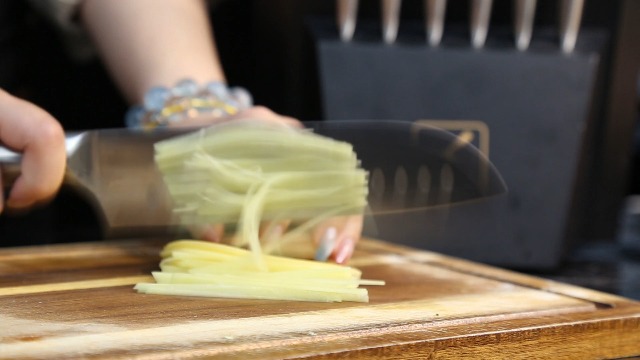
Common Mistakes That Accelerate Patina Formation
Even with the best intentions, some habits can speed up the development of patina on your blades. Avoid these common pitfalls:
- Leaving Knives Wet: Air drying or leaving a blade damp after washing increases the risk of oxidation.
- Storing in Sheaths While Wet: Moisture trapped in a sheath or case can quickly lead to discoloration and even rust.
- Using Harsh Cleaners: Strong chemicals or abrasive pads can strip protective finishes and expose raw metal.
- Neglecting Regular Maintenance: Skipping oiling or infrequent cleaning allows patina to build up over time.
Frequently Asked Questions
Can Patina Be Removed Once It Forms?
Yes, light patina can often be removed with a gentle metal polish, baking soda paste, or a soft abrasive pad. For deeper discoloration, professional restoration may be needed. Always clean thoroughly after polishing to ensure food safety.
Is Patina Harmful to Knives?
Patina itself is not harmful and can even provide some protection against rust. However, if you prefer a bright, clean look, regular care is necessary to minimize its appearance. Neglecting maintenance can lead to rust, which is damaging.
Does Oiling the Blade Really Help?
Applying a thin layer of food-safe oil after cleaning and drying your knife is one of the most effective ways to prevent oxidation and slow down patina formation. It acts as a barrier against moisture and air, both of which contribute to discoloration.
What Foods Cause Patina to Develop Faster?
Acidic foods such as tomatoes, citrus fruits, onions, and vinegar-based items are the main culprits. Cutting these foods releases acids that react with the metal, accelerating the patina process. Wipe your blade frequently when working with these ingredients.
Summary: Keeping Your Knives Looking Their Best
With the right care and attention, you can significantly reduce the development of patina on your kitchen blades. Focus on immediate cleaning, thorough drying, regular oiling, and proper storage. Choose materials that fit your maintenance preferences, and avoid habits that accelerate discoloration. By following these practical steps, your knives will maintain their shine and performance for years to come.