Choosing the right pairing of kitchen tools can make a significant difference in both your cooking experience and the longevity of your equipment. When it comes to the ceramic knife vs wood cutting board compatibility, many home cooks and professionals alike want to know which surfaces are best for maintaining sharpness, hygiene, and durability. This article explores the science behind these materials, their interaction, and practical advice for everyday use.
Understanding how different knives and boards affect each other is crucial for anyone who wants to protect their investment in quality kitchenware. If you’re curious about the best practices for keeping your ceramic blades in top condition, or wondering whether a wooden board is the ideal companion, you’re in the right place. For more in-depth tips on keeping your blades sharp and safe, you might also find this comprehensive guide to ceramic knife care helpful.
Understanding Ceramic Knives and Their Unique Properties
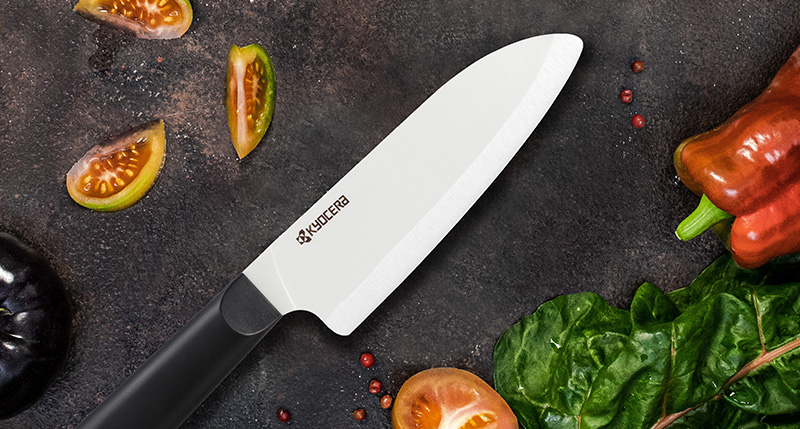
Ceramic knives are crafted from zirconium dioxide, a material known for its exceptional hardness and resistance to wear. Unlike steel blades, ceramic ones are non-reactive, lightweight, and maintain their edge for a long time. However, their hardness also makes them more brittle, which means they can chip or break if not handled with care.
The main advantage of ceramic blades is their ability to stay sharp for extended periods, making them ideal for slicing fruits, vegetables, and boneless meats. They are also resistant to rust and stains, and their non-porous surface helps prevent the transfer of odors or flavors between foods.
Why Cutting Board Material Matters for Ceramic Knives
The surface you use with your knife directly affects its performance and lifespan. Hard surfaces like glass, granite, or ceramic boards can quickly dull or even damage a ceramic blade. On the other hand, softer materials such as wood or plastic offer a gentler surface that helps preserve the sharp edge.
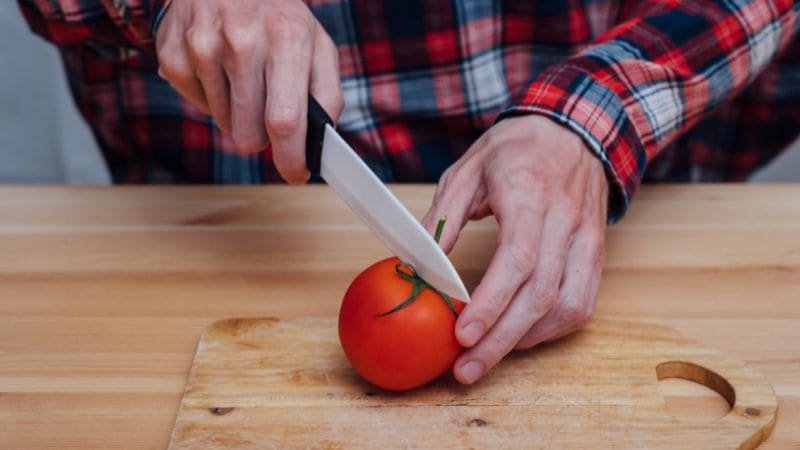
When considering ceramic knife vs wood cutting board compatibility, it’s important to note that wood is generally recommended as one of the best options. The slight give of wood fibers cushions the blade, reducing the risk of chipping and helping to maintain sharpness.
Benefits of Using Wooden Boards with Ceramic Blades
Wooden cutting boards have long been favored in kitchens for their durability, aesthetics, and knife-friendly nature. Here’s why they’re particularly suitable for ceramic knives:
- Gentle on Edges: Wood’s natural fibers absorb some of the impact from cutting, minimizing the risk of chipping or dulling the blade.
- Self-Healing Surface: Minor cuts in wood tend to close up over time, reducing grooves where bacteria can hide and keeping the board looking newer for longer.
- Stable Cutting Experience: Wooden boards often provide a stable, non-slip surface, which is important for the brittle nature of ceramic knives.
- Hygiene: With proper cleaning, wood can be a hygienic choice, as some types naturally resist bacterial growth.
Potential Drawbacks and Care Tips
While the compatibility of ceramic knives and wood cutting boards is generally positive, there are a few considerations to keep in mind:
- Moisture Sensitivity: Wooden boards can warp or crack if not properly dried after washing. Always dry thoroughly and avoid soaking.
- Regular Maintenance: Periodically oiling your board helps maintain its condition and prevents drying out.
- Knife Handling: Ceramic blades should not be used for prying, twisting, or cutting through hard materials like bones or frozen foods, regardless of the board.
Comparing Wood, Plastic, and Other Board Materials
While wood is highly recommended, it’s helpful to compare it to other common cutting board materials to understand the full picture of ceramic knife and board compatibility:
| Material | Knife Friendliness | Maintenance | Hygiene |
|---|---|---|---|
| Wood | Excellent | Regular oiling, hand wash | Good with proper care |
| Plastic | Good | Dishwasher safe, replace when deeply scored | Easy to sanitize |
| Bamboo | Moderate (harder than wood) | Oil occasionally, hand wash | Good |
| Glass/Stone | Poor (dulls/chips blades) | Easy to clean | Very hygienic |
As shown, wood and plastic are the most suitable surfaces for ceramic knives, with wood offering a slight edge in terms of blade preservation.
Best Practices for Maximizing the Life of Your Ceramic Knife
To ensure your ceramic knife stays sharp and intact for as long as possible, follow these practical tips:
- Always use a wood or high-quality plastic board. Avoid hard surfaces like glass, marble, or granite.
- Hand wash your knife immediately after use. Dry thoroughly to prevent water spots and potential handle issues.
- Store separately. Use a protective sheath or dedicated knife block to avoid accidental chipping.
- Use for appropriate foods only. Stick to fruits, vegetables, and boneless meats; avoid bones, frozen foods, or hard-skinned squash.
- Sharpen only with the correct tools. Ceramic blades require diamond-dust sharpeners or professional services.
Frequently Asked Questions
Is a wooden cutting board safe for ceramic knives?
Yes, wooden boards are considered one of the best surfaces for ceramic blades. Their gentle, slightly forgiving surface helps prevent chipping and maintains sharpness longer than harder materials.
Can I use a ceramic knife on a plastic cutting board?
High-quality plastic boards are also suitable for ceramic knives. They provide a soft enough surface to protect the blade, though they may develop deep grooves over time and should be replaced when worn.
What should I avoid when using ceramic knives?
Avoid cutting on hard surfaces such as glass, stone, or ceramic boards. Do not use ceramic knives for prying, twisting, or cutting through bones or frozen foods, as this can cause chips or breakage.
How do I maintain both my ceramic knife and wood cutting board?
Hand wash both items after use. Dry the knife and board thoroughly. Oil the board occasionally to prevent drying and cracking. Store the knife in a sheath or block to protect the edge.