For anyone who spends time in the kitchen, the sharpness of a knife is more than a matter of convenience—it’s about precision, safety, and efficiency. Among the many types of kitchen blades, ceramic knives have gained a reputation for holding their edge far longer than traditional steel. But what exactly makes these blades so resilient? In this article, you’ll find ceramic knife edge retention explained in detail, along with the science and practical benefits behind their lasting sharpness.
Whether you’re a home cook or a professional chef, understanding what sets ceramic blades apart can help you make informed choices about your kitchen tools. We’ll break down the unique properties of ceramic materials, compare them to steel, and offer tips for getting the most out of your ceramic cutlery. If you’re interested in learning more about proper care, you can also reference this comprehensive guide to ceramic cutlery use and care.
What Makes Ceramic Knives Stay Sharp?
The secret to the impressive longevity of a ceramic blade’s edge lies in its material composition. Most ceramic kitchen knives are made from zirconium dioxide, also known as zirconia. This advanced ceramic is extremely hard—ranking about 8.5 on the Mohs scale, which measures mineral hardness. For comparison, hardened steel used in premium knives typically rates between 5.5 and 7.5.
This exceptional hardness means that the cutting edge of a ceramic blade wears down much more slowly than steel. As a result, these knives can maintain their factory-sharp edge for months or even years with regular use, provided they’re used on appropriate foods and surfaces.
Understanding the Science Behind Edge Retention
When discussing ceramic knife edge retention explained, it’s important to look at the microstructure of the blade. Zirconia is composed of tightly packed, small crystals that are highly resistant to abrasion. Unlike steel, which can develop microscopic rolls or chips along the edge with repeated use, ceramic resists deformation. This means the edge stays keen and precise for much longer.
However, the same hardness that gives ceramic its superior edge retention also makes it more brittle. Ceramic blades can chip or break if used to cut hard materials like bone or frozen foods, or if dropped onto a hard surface. For this reason, proper use and care are essential for maximizing the lifespan of your ceramic knife.
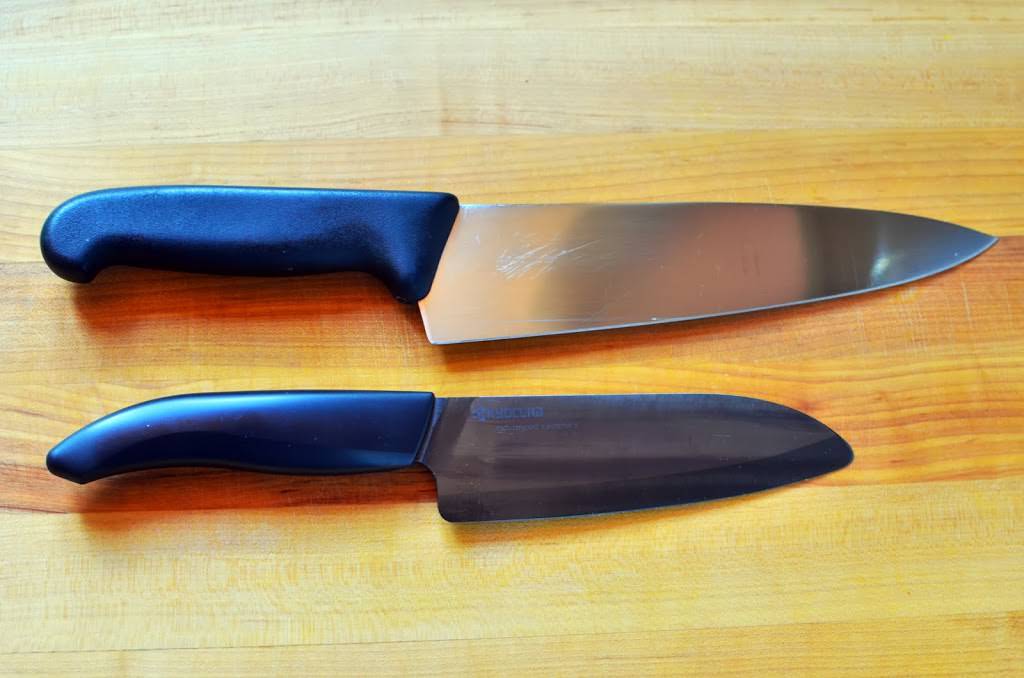
Comparing Ceramic and Steel: Edge Longevity in Practice
Many cooks wonder how ceramic blades stack up against their steel counterparts in real-world use. The answer depends on what you cut and how you care for your tools. In controlled tests, ceramic knives have been shown to retain their sharpness up to 10 times longer than standard stainless steel blades. This is because steel, even when hardened, is still softer than zirconia and more prone to dulling from repeated contact with cutting boards and acidic foods.
On the other hand, steel knives are more versatile and forgiving. They can be resharpened at home and are less likely to chip if misused. Ceramic knives, while less maintenance in terms of sharpening, require more attention to handling and storage to avoid accidental damage.
Practical Tips for Maximizing Your Ceramic Knife’s Performance
To take full advantage of the impressive edge retention of ceramic blades, a few simple practices can make a big difference:
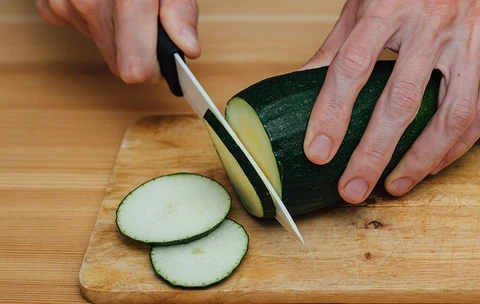
- Use on appropriate foods: Stick to fruits, vegetables, boneless meats, and bread. Avoid hard or frozen items.
- Choose the right cutting surface: Use wood, bamboo, or plastic cutting boards. Avoid glass, marble, or granite, which can damage the edge.
- Hand wash and dry: Clean your ceramic knife by hand with mild soap and water, then dry immediately. Avoid dishwashers, which can cause chipping.
- Store safely: Use a blade guard, knife block, or sheath to protect the edge when not in use.
- Sharpening: While ceramic knives rarely need sharpening, if they do become dull, use a diamond sharpener or have them professionally serviced.
Benefits and Limitations of Ceramic Blades
The main advantage of ceramic knives is their long-lasting sharpness, which translates to less frequent sharpening and consistently clean cuts. They are also lightweight, non-reactive with acidic foods, and resistant to rust and staining.
However, these blades are not suitable for every task. Their brittleness means they are not ideal for heavy-duty chopping, prying, or cutting through bones. If you value edge retention above all and are willing to use your ceramic knife for its intended purposes, it can be a valuable addition to your kitchen.
Frequently Asked Questions
How long does a ceramic knife stay sharp compared to steel?
On average, a ceramic blade maintains its sharp edge much longer than a typical steel knife—often up to 10 times longer, depending on usage and care. This is due to the extreme hardness of zirconia, which resists wear and dulling.
Can I sharpen a ceramic knife at home?
Sharpening ceramic knives requires a diamond abrasive, as traditional sharpeners are not effective. While some home sharpeners are designed for ceramic, many users prefer to have their blades professionally sharpened to avoid accidental chipping.
What foods should I avoid cutting with a ceramic knife?
Avoid using ceramic blades on hard or frozen foods, bones, or anything that requires twisting or prying. Stick to softer items like fruits, vegetables, and boneless meats to preserve the edge and prevent chips or breaks.
Are ceramic knives dishwasher safe?
While some manufacturers may claim their ceramic knives are dishwasher safe, hand washing is strongly recommended. The high-pressure water and contact with other utensils in the dishwasher can lead to chips or cracks in the blade.
Conclusion: Is a Ceramic Knife Right for You?
Understanding ceramic knife edge retention explained helps clarify why these blades are favored by many for their lasting sharpness and low maintenance. If you use your knives primarily for slicing fruits, vegetables, and boneless meats, and you value a blade that stays sharp with minimal upkeep, ceramic is an excellent choice. Just remember to handle with care and follow best practices to enjoy the benefits for years to come.