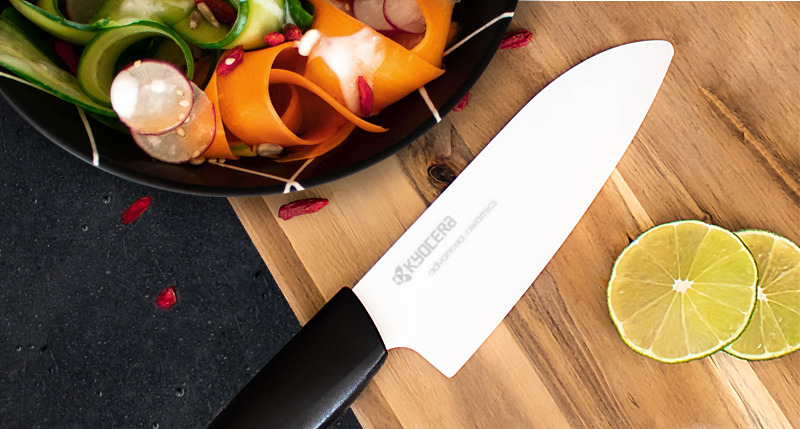
Ceramic knives are prized for their sharpness, lightweight feel, and resistance to rust. However, even these durable kitchen tools can develop unsightly stains from foods like tomatoes, berries, or even from improper storage. If you’ve noticed discoloration or marks on your ceramic blades, you’re not alone. Learning how to remove stains from ceramic knives can help you keep your kitchen tools looking and performing their best for years to come.
In this guide, you’ll find practical cleaning hacks, step-by-step instructions, and tips to prevent future staining. Whether you’re a home cook or a culinary enthusiast, maintaining the appearance and hygiene of your ceramic knives is essential for both aesthetics and safety.
For a deeper understanding of the advantages and limitations of ceramic kitchen knives, you can visit this comprehensive overview of ceramic knife pros and cons.
Understanding Why Ceramic Knives Stain
While ceramic blades are less porous than steel, they can still develop stains over time. This usually happens when acidic or deeply pigmented foods—such as beets, carrots, or tomatoes—are left on the blade for too long. Additionally, improper cleaning or storing knives with food residue can contribute to discoloration. Recognizing the causes helps you choose the right cleaning method and prevent future issues.
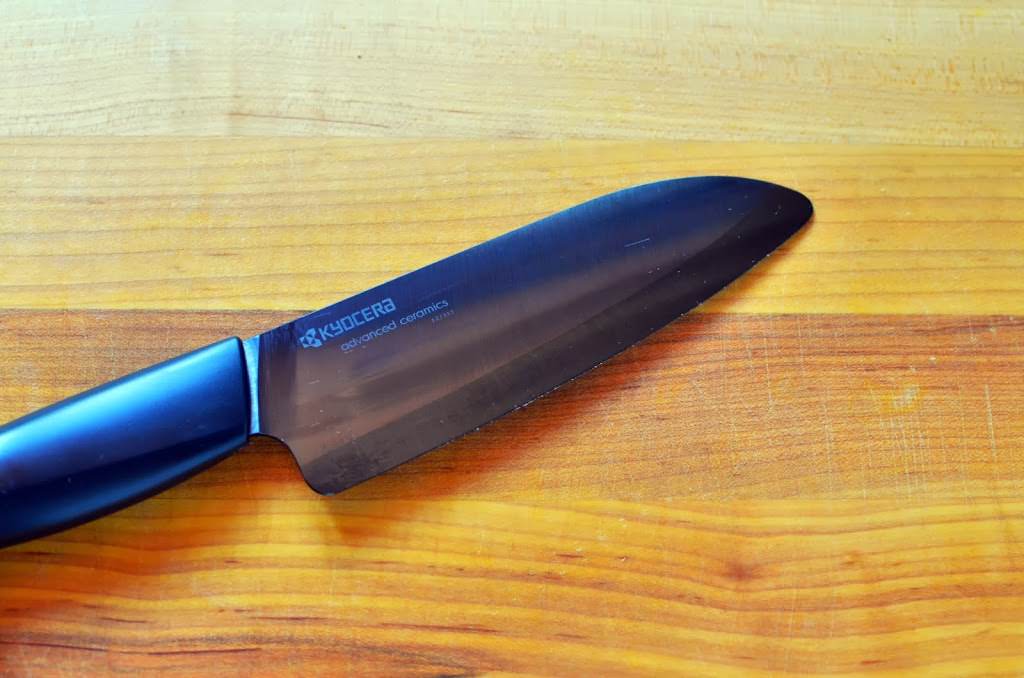
Essential Supplies for Cleaning Ceramic Blades
Before tackling stubborn marks, gather the following supplies:
- Mild dish soap
- Soft sponge or non-abrasive cloth
- Baking soda
- White vinegar or lemon juice
- Plastic or wooden spatula (for gentle scraping)
- Clean towel for drying
It’s important to avoid steel wool, abrasive scrubbers, or harsh chemicals, as these can damage the blade’s surface and reduce its lifespan.
Step-by-Step Guide: Removing Stains From Ceramic Knives
Follow these steps to restore your ceramic knives to their original brilliance:
1. Routine Cleaning for Everyday Stains
For light stains or daily maintenance, wash your knife immediately after use with warm water and a few drops of mild dish soap. Use a soft sponge or cloth to gently wipe the blade, paying extra attention to any visible marks. Rinse thoroughly and dry with a clean towel. This simple habit can prevent most stains from setting in.
2. Baking Soda Paste for Tougher Marks
If regular washing doesn’t remove the discoloration, try a baking soda paste. Mix equal parts baking soda and water to form a thick paste. Apply it to the stained area and let it sit for 5–10 minutes. Using a soft sponge, gently rub the paste in circular motions. Rinse the blade thoroughly and dry. Baking soda’s mild abrasiveness helps lift stains without scratching the ceramic surface.
3. Using Vinegar or Lemon Juice for Persistent Stains
For more stubborn stains, white vinegar or lemon juice can be effective. Soak a soft cloth in vinegar or lemon juice and wrap it around the blade. Let it sit for 10–15 minutes. The natural acidity helps break down organic stains. After soaking, wipe the blade gently, rinse with water, and dry. Repeat if necessary for older or darker marks.
4. Gentle Scraping for Dried-On Residue
If food residue has dried onto the blade, use a plastic or wooden spatula to gently scrape it off. Avoid metal utensils, which can chip or damage the ceramic. Once the residue is removed, clean the knife with soap and water as described above.

Preventing Stains on Ceramic Kitchen Knives
Prevention is the best approach to maintaining spotless ceramic blades. Here are some practical tips:
- Clean knives immediately after use, especially when cutting acidic or colorful foods.
- Dry thoroughly before storing to avoid water spots or mineral buildup.
- Store knives properly in a knife block or sheath to prevent contact with other utensils and reduce the risk of chipping.
- Avoid soaking ceramic knives for extended periods, as this can weaken the adhesive in the handle or cause discoloration.
By adopting these habits, you’ll minimize the chances of stains forming and keep your knives in top condition.
Common Mistakes to Avoid When Cleaning Ceramic Blades
To ensure your ceramic knives last as long as possible, steer clear of these common pitfalls:
- Using abrasive pads or steel wool, which can scratch or dull the blade
- Applying bleach or harsh chemicals that may damage the ceramic surface
- Putting ceramic knives in the dishwasher, as the high heat and movement can cause chips or cracks
- Leaving food residue on the blade for extended periods
Sticking to gentle cleaning methods will help preserve both the appearance and performance of your knives.
When to Seek Professional Help
While most stains can be removed at home, there are cases where professional cleaning or sharpening may be necessary. If your knife has deep, persistent stains or chips, consult the manufacturer or a professional knife service. Attempting to fix severe damage yourself could worsen the problem or void the warranty.
FAQ: Ceramic Knife Cleaning and Maintenance
Can I use bleach to clean ceramic knives?
It’s not recommended to use bleach or other harsh chemicals on ceramic blades. These substances can degrade the surface and potentially cause discoloration or weakening of the knife. Stick to mild dish soap, baking soda, and vinegar for safe and effective cleaning.
Why do ceramic knives stain if they’re supposed to be non-porous?
Although ceramic is less porous than steel, it’s not completely immune to staining. Pigments from foods can adhere to the surface, especially if left unwashed for a while. Regular cleaning and prompt removal of food residue help prevent stains from setting in.
Is it safe to use a magic eraser on ceramic blades?
Magic erasers are mildly abrasive and could scratch the surface of your ceramic knife. It’s safer to use a baking soda paste or a soft sponge to avoid damaging the blade. If you choose to try a magic eraser, test it on a small, inconspicuous area first and use minimal pressure.
How often should I clean my ceramic knives?
Ideally, clean your ceramic knives after every use. This prevents food residue from drying and reduces the risk of stains. Even if you only use the knife for a short time, a quick rinse and dry will help maintain its appearance and hygiene.
Summary: Keeping Ceramic Knives Spotless
Maintaining the look and performance of your ceramic kitchen knives is straightforward with the right approach. By understanding the causes of stains, using gentle cleaning methods, and adopting preventative habits, you can enjoy sharp, clean blades for years. Remember to avoid abrasive materials, clean promptly after use, and store your knives properly to minimize staining and damage. With these practical tips, your ceramic knives will remain a reliable and attractive part of your kitchen toolkit.