Investing in premium cutlery is about more than just aesthetics—it’s about performance, craftsmanship, and lasting value. If you own high-end blades, knowing how to maintain luxury knives is essential to preserve their sharpness, beauty, and function for years to come. Proper care prevents dullness, corrosion, and accidental damage, ensuring that your prized tools remain a pleasure to use in the kitchen or on display.
This article provides clear, practical advice for keeping your fine knives in top condition. From cleaning routines to storage solutions and sharpening techniques, you’ll find everything you need to extend the life of your collection. For those interested in the technical aspects of blade construction, exploring resources like this guide to blade edges and grinds can deepen your understanding of what makes luxury knives unique.
Whether you’re a collector, a chef, or simply someone who appreciates quality tools, following the right maintenance steps will help safeguard your investment and enhance your culinary experience.
For more information on related topics, you can also browse our Tips section.
Daily Cleaning and Handling for Pristine Blades
The foundation of luxury knife maintenance is consistent, gentle cleaning. After each use, rinse your knife under warm water and use a mild dish soap with a soft sponge. Avoid abrasive pads or harsh detergents, as these can scratch the blade or damage decorative finishes. Never leave your knife soaking in water, as prolonged exposure can lead to rust, especially on high-carbon steel.
- Wash by hand immediately after use
- Dry thoroughly with a soft towel
- Keep the handle clean and free of food residue
Dishwashers should always be avoided. The high heat, strong detergents, and jostling can dull the edge, corrode the metal, and even crack or warp handles made from wood or composite materials.
Proper Storage to Prevent Damage
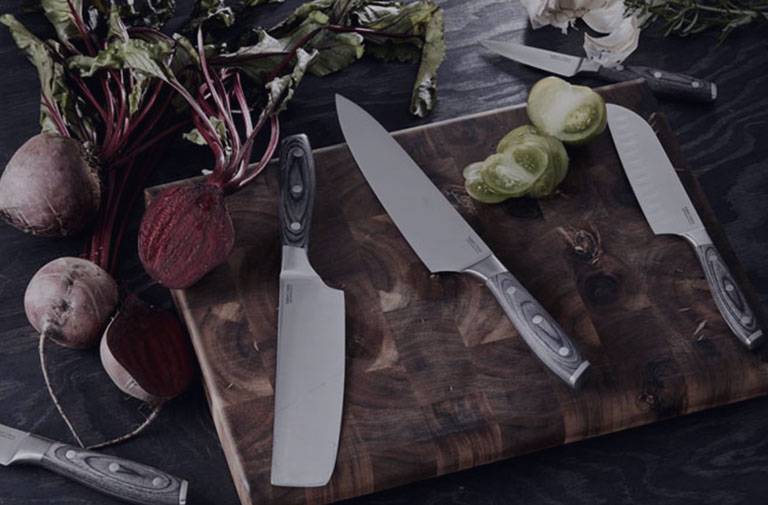
Storing your knives correctly is just as important as cleaning them. Tossing them in a drawer can chip the edge, dull the blade, and even cause injury. Instead, consider these storage solutions:
- Knife blocks: Keep blades separated and protected from knocks.
- Magnetic strips: Mount knives on the wall for easy access and to avoid blade contact.
- Blade guards or sheaths: Ideal for storing individual knives or for travel.
- Knife rolls or cases: Perfect for collectors or chefs on the move.
Ensure that knives are completely dry before storage to prevent moisture buildup, which can lead to rust or mold, especially on wooden handles.
Sharpening and Honing: Keeping Edges Razor Sharp
Even the finest blades lose their edge over time. Regular honing and periodic sharpening are crucial for maintaining performance and safety. Honing realigns the microscopic teeth of the edge, while sharpening removes metal to restore the blade’s angle.
- Use a honing rod weekly to keep the edge aligned
- Sharpen with a whetstone or professional service as needed (typically every 6–12 months for home cooks)
- Avoid pull-through sharpeners, which can be too aggressive for delicate or layered steel
Understanding the specific grind and edge geometry of your knife is helpful for choosing the right sharpening method. For more details, consult a comprehensive guide to blade edges and grinds.
Protecting Handles and Specialty Materials
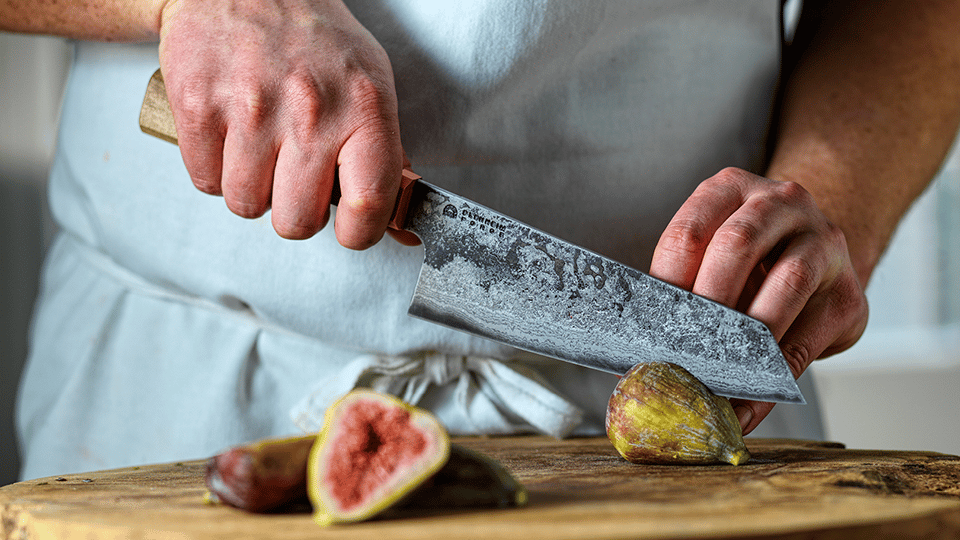
The handle is just as important as the blade, especially with luxury knives that feature exotic woods, bone, or composite materials. To keep handles looking their best:
- Wipe down with a damp cloth and dry immediately
- Apply a small amount of food-safe mineral oil to wooden handles every few months
- Avoid prolonged exposure to water or direct sunlight
- Keep away from extreme temperatures that can cause cracking or warping
If your knife features decorative inlays or precious metals, handle with extra care and avoid harsh chemicals that could tarnish or degrade these materials.
Common Mistakes to Avoid When Caring for Fine Blades
Even experienced owners can make errors that shorten the lifespan of their knives. Here are some pitfalls to watch out for:
- Using the knife on glass, stone, or ceramic cutting boards (always choose wood or plastic)
- Prying, twisting, or cutting frozen foods and bones with delicate blades
- Leaving knives wet or dirty for extended periods
- Improper sharpening techniques that can alter the blade geometry
By steering clear of these habits, you’ll help ensure your knives remain sharp, safe, and beautiful.
FAQ: Knife Care and Maintenance
How often should I sharpen my high-end kitchen knives?
For most home cooks, sharpening every 6 to 12 months is sufficient, depending on use. Regular honing with a steel rod helps maintain the edge between sharpenings.
Is it safe to put premium knives in the dishwasher?
No, dishwashers can damage both the blade and handle. Always wash by hand with mild soap and dry thoroughly.
What is the best way to store expensive knives?
Store knives in a dedicated block, on a magnetic strip, or in blade guards. Avoid tossing them in drawers to prevent chipping and dulling.