Understanding the nuances of blade taper is essential for anyone interested in the art of cutting, whether in the kitchen or in other applications. The taper of a blade refers to the gradual thinning of the blade from its spine to the edge, significantly influencing the cutting performance. This guide explores how different tapers impact the efficiency and effectiveness of cutting tasks.
Blade taper can dictate the ease with which a blade slices through materials, affecting both the precision and the effort required. By examining the various types of tapers and their implications, we can better appreciate the craftsmanship behind a well-designed blade. For those interested in maintaining their knives, learning how to sharpen a knife is also crucial.
Types of Blade Tapers
There are several types of blade tapers, each offering unique advantages. The most common include flat, hollow, and convex tapers. Each type affects how the blade interacts with the material being cut, influencing both the ease of use and the quality of the cut.
Flat Taper
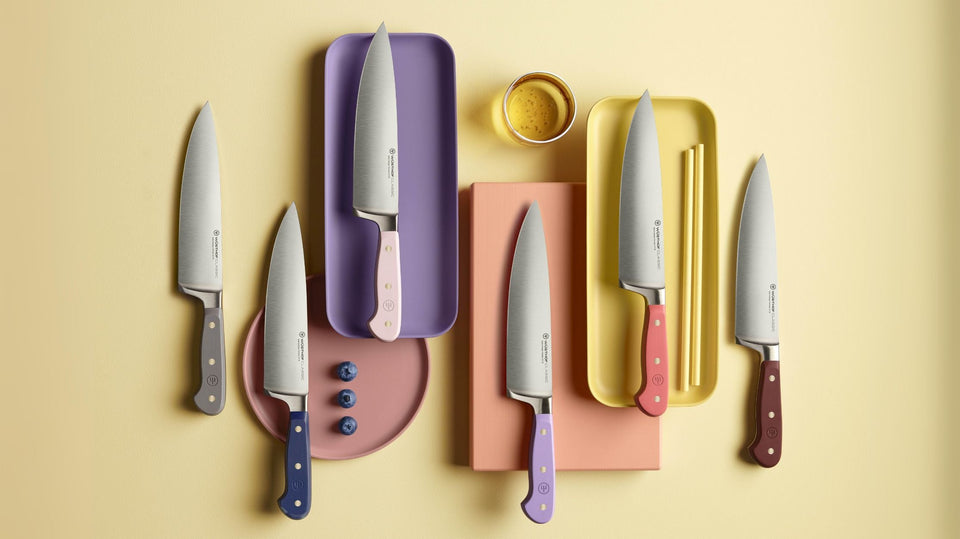
A flat taper is characterized by a consistent thinning from the spine to the edge. This design provides a balance between strength and sharpness, making it ideal for general-purpose cutting tasks. The flat taper is often found in chef’s knives, where versatility is key.
Hollow Taper
The hollow taper features a concave shape, which reduces friction and allows for finer cuts. This taper is particularly useful for slicing meats and other delicate tasks where precision is paramount. However, it may lack the robustness needed for heavier tasks.
Convex Taper
Convex tapers are known for their durability and strength. The outward curve of the blade provides added support, making it suitable for chopping and other demanding tasks. While it may not be as sharp as other tapers, its resilience makes it a favorite among outdoor enthusiasts.
Impact on Cutting Efficiency
The taper of a blade significantly influences its cutting efficiency. A well-designed taper can reduce the effort needed to cut through materials, enhancing the overall user experience. The choice of taper depends on the intended use of the knife and the user’s personal preference.
Precision and Control
Blades with a finer taper, such as the hollow taper, offer greater precision and control. These blades are ideal for tasks that require meticulous attention to detail, such as filleting fish or carving intricate designs.
Durability and Strength
Conversely, blades with a convex taper provide superior durability and strength. These blades are better suited for heavy-duty tasks, such as chopping through bones or dense vegetables. The added strength of a convex taper ensures that the blade can withstand rigorous use without compromising its integrity.
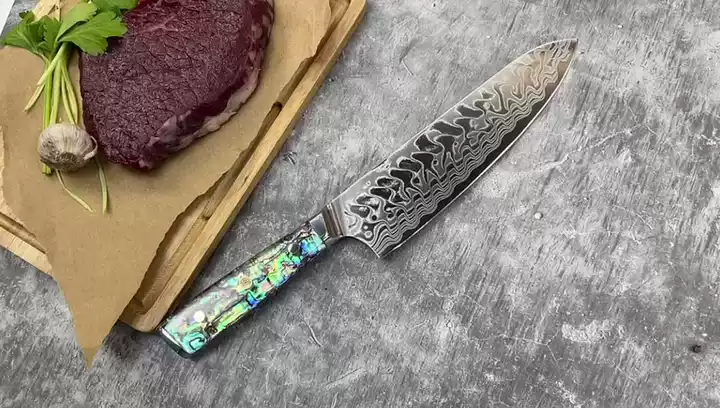
Choosing the Right Blade Taper
When selecting a knife, consider the types of tasks you will be performing most frequently. A flat taper offers versatility, while a hollow taper provides precision. For those requiring durability, a convex taper is the best choice.
Ultimately, the right blade taper enhances your cutting experience, making tasks more efficient and enjoyable. By understanding the impact of blade taper, you can make informed decisions when selecting knives for your kitchen or other cutting needs.
FAQs
What Is Blade Taper?
Blade taper refers to the gradual thinning of a blade from its spine to the edge. It affects the blade’s cutting performance, influencing precision, control, and durability.
How Does Blade Taper Affect Cutting?
The taper impacts how easily a blade can slice through materials. Different tapers offer varying levels of precision, control, and strength, affecting the overall efficiency of cutting tasks.
Which Blade Taper Is Best for Kitchen Use?
For general kitchen use, a flat taper is often preferred due to its versatility. However, for specific tasks like slicing meats, a hollow taper may be more suitable, while a convex taper is ideal for heavy-duty chopping.