For both culinary professionals and passionate collectors, distinguishing a premium blade from an ordinary one is a valuable skill. Whether you’re evaluating a new acquisition or seeking the perfect tool for your kitchen, understanding what sets high-end knives apart is essential. This guide will walk you through the defining characteristics, craftsmanship, and subtle details that signify a truly exceptional knife.
As you explore the world of fine cutlery, you’ll encounter a range of materials, finishes, and design elements. Knowing how to identify a luxury knife can help you make informed decisions, avoid counterfeits, and appreciate the artistry behind each piece. Before diving into the main criteria, remember that knowledge is your best tool—researching reputable sources and engaging with experienced enthusiasts can deepen your expertise.
If you’re interested in exploring more about blade shapes and grinds, you can find detailed diagrams and explanations at this comprehensive blade grind resource.
Key Features That Define High-End Knives
Recognizing a high-quality knife involves more than just admiring its appearance. There are several tangible features that set luxury blades apart from mass-produced alternatives. Let’s examine the most important factors.
Premium Materials and Steel Quality
One of the first indicators of a top-tier knife is the choice of materials. Luxury knives often use high-carbon stainless steel, Damascus steel, or proprietary alloys known for their durability, sharpness, and corrosion resistance. The steel’s composition affects edge retention, ease of sharpening, and overall performance.
- Damascus steel is renowned for its distinctive wavy patterns and exceptional toughness.
- Powder metallurgy steels (like SG2 or S35VN) offer advanced performance and are common in modern high-end knives.
- Handles may feature exotic woods, stabilized materials, carbon fiber, or even precious metals for both aesthetics and function.
Craftsmanship and Attention to Detail
Superior craftsmanship is a hallmark of luxury cutlery. Look for seamless transitions between blade and handle, precise fit and finish, and hand-finished details. Many premium knives are made in small batches or individually by skilled artisans, resulting in unique characteristics and a higher level of quality control.
Examine the blade’s grind and polish. A mirror or satin finish, even bevels, and a consistent edge are signs of careful workmanship. In contrast, mass-produced knives may show uneven grinds, rough edges, or visible machining marks.
Design Elements That Signal Exclusivity
Beyond materials and construction, certain design features help distinguish a luxury knife from its counterparts. These elements often reflect both tradition and innovation.
Distinctive Blade Patterns and Engraving
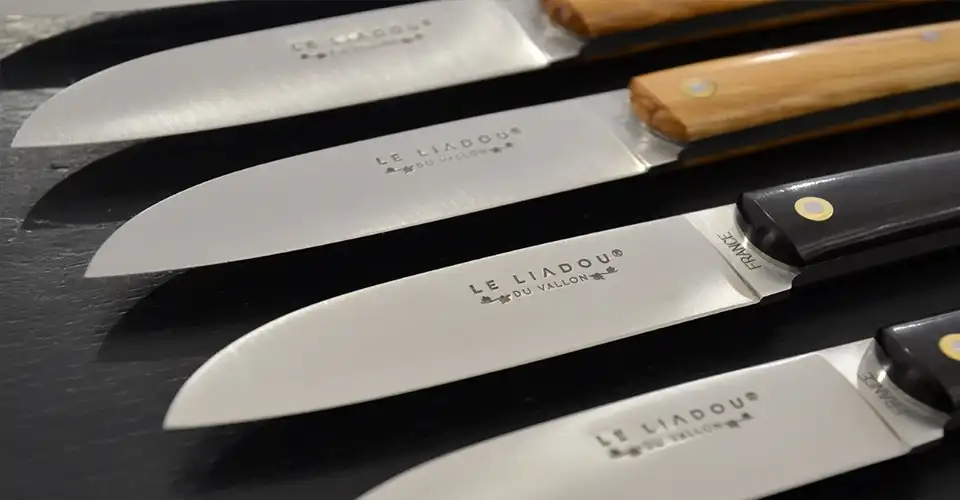
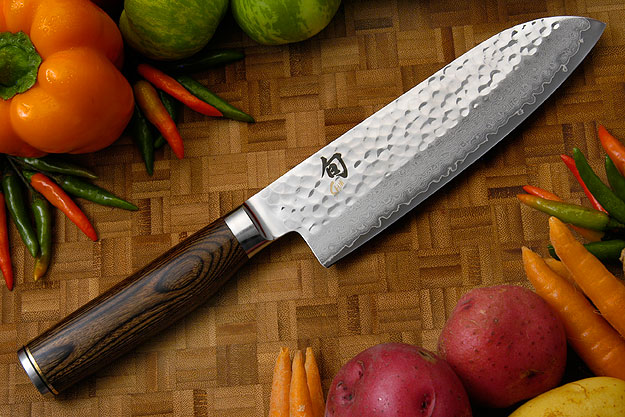
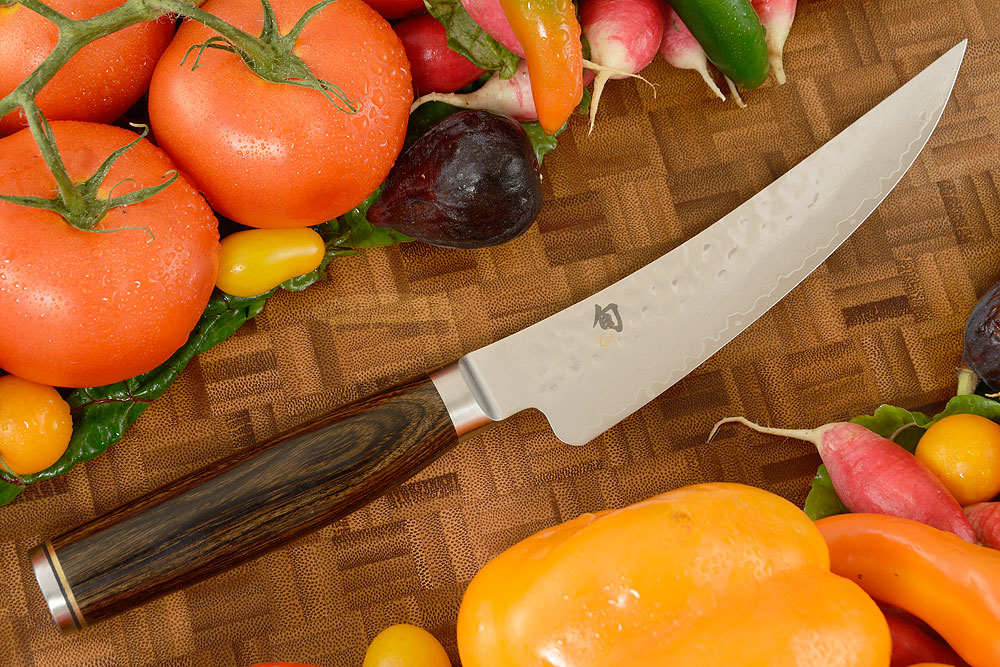
Many high-end knives showcase intricate blade patterns, such as the layered look of Damascus or custom etching. Makers may add engraved logos, serial numbers, or signatures to authenticate their work. These details not only enhance beauty but also provide provenance for collectors.
Ergonomics and Balance
A well-balanced knife feels comfortable and secure in the hand. Luxury models are often designed with ergonomics in mind, featuring contoured handles, thoughtful weight distribution, and a secure grip. The balance point—usually where the blade meets the handle—should allow for precise control during use.
Unique Handle Materials and Construction
Handles on premium knives frequently use rare or artisanal materials. Stabilized woods, mammoth ivory, micarta, or hand-carved horn are just a few examples. These materials are chosen not only for their appearance but also for their durability and tactile qualities. The construction should be seamless, with no gaps or rough spots where the handle meets the blade.
Evaluating Authenticity and Value
With the growing popularity of high-end cutlery, counterfeit and imitation products have become more common. To ensure you’re investing in a genuine luxury knife, consider the following steps:
- Purchase from reputable dealers or directly from the maker whenever possible.
- Request certificates of authenticity or provenance for rare or custom pieces.
- Research the maker’s history, reputation, and typical design features.
- Compare the knife’s details—such as logo placement, serial numbers, and finish—to verified examples.
For collectors, documentation and original packaging can add to the value and desirability of a piece. Chefs may prioritize performance and comfort, but authenticity remains important for long-term satisfaction.
Maintenance and Care for Premium Knives
Owning a luxury knife comes with the responsibility of proper care. High-quality blades require regular maintenance to preserve their sharpness, appearance, and function.
- Hand-wash and dry knives immediately after use; avoid dishwashers.
- Store knives in a dedicated block, magnetic strip, or protective sheath to prevent damage.
- Use a honing rod or whetstone to maintain the edge; professional sharpening may be needed for intricate grinds.
- Apply food-safe oil to carbon steel blades and wooden handles as needed to prevent rust and drying.
With proper care, a luxury knife can last a lifetime and even become a treasured heirloom.
Frequently Asked Questions
What makes a knife “luxury” compared to standard kitchen knives?
A luxury knife stands out due to its superior materials, expert craftsmanship, and exclusive design elements. These knives are often handmade or produced in limited quantities, using advanced steels and unique handle materials. The attention to detail, balance, and finishing set them apart from mass-produced options.
How can I tell if a knife is made from real Damascus steel?
Authentic Damascus steel features visible, layered patterns created by folding and forging multiple types of steel. These patterns are integral to the blade, not etched or printed on the surface. Reputable makers will provide information about their process, and genuine Damascus will have a tactile texture and consistent patterning.
Are luxury knives worth the investment for home cooks?
For those who appreciate quality tools and enjoy cooking, investing in a premium knife can enhance both performance and enjoyment. These knives offer better edge retention, comfort, and aesthetics. However, proper care is essential to maintain their value and function over time.