Ceramic knives have become a popular choice in kitchens around the world for their sharpness, lightweight feel, and resistance to rust and stains. However, many home cooks and professionals alike wonder about their ceramic knife heat resistance—specifically, how well these blades hold up when exposed to high temperatures. Understanding the limits of ceramic materials and how they behave under heat is crucial for safe and effective use.
This article explores the science behind ceramic blades, their tolerance to heat, and practical advice for anyone considering or already using these knives. We’ll also compare their performance to traditional steel knives and address common questions about their care and longevity.
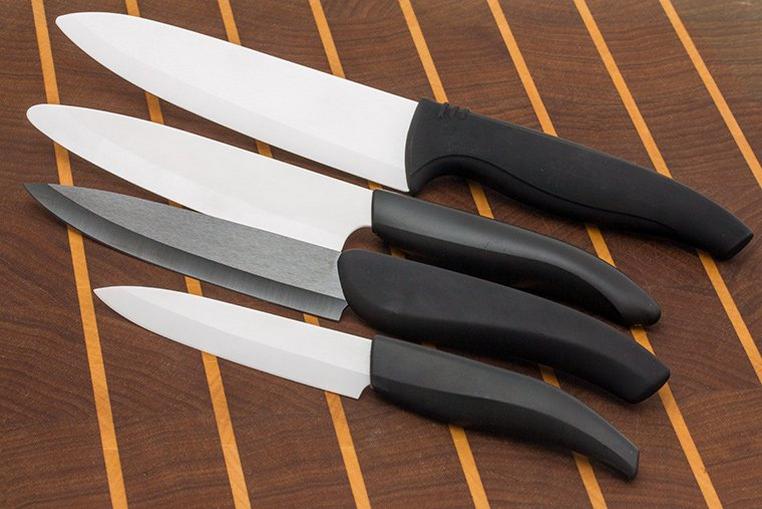
For a deeper look at the pros and cons of ceramic blades, you can read this comprehensive guide to ceramic knives that covers their unique properties and uses.
Understanding the Heat Tolerance of Ceramic Blades
The core of ceramic knife heat resistance lies in the material itself. Most ceramic knives are made from zirconium dioxide, also known as zirconia, which is a hard, non-metallic material. Zirconia is fired at extremely high temperatures during manufacturing, resulting in a blade that is both very hard and resistant to corrosion.
Despite their impressive hardness, ceramic knives have limitations when it comes to heat. While the material can technically withstand temperatures up to 1,100°C (2,012°F) before it begins to degrade, this does not mean the knives are suited for use in or near direct heat sources like ovens, stovetops, or grills. The main concern is not the melting point, but rather the risk of thermal shock and structural damage.
How High Temperatures Affect Ceramic Knives
While ceramic blades are not likely to melt or warp under normal kitchen conditions, they are vulnerable to sudden temperature changes. If a ceramic knife is exposed to high heat and then rapidly cooled—such as being placed on a hot pan and then rinsed under cold water—it can experience thermal shock. This can cause the blade to crack or even shatter.
Additionally, repeated exposure to high temperatures can weaken the structural integrity of the blade over time. Unlike metal knives, which can be re-sharpened and are more forgiving of rough treatment, ceramic blades are brittle. They can chip or break if dropped or used to cut very hard or frozen foods, and heat stress only increases this risk.
Comparing Ceramic and Steel Knife Heat Performance
When considering heat resistance in ceramic knives, it’s helpful to compare them to their steel counterparts. Steel knives can handle a wider range of temperatures and are less likely to suffer from thermal shock. They can be used for tasks like cutting hot foods or even in some cases for light grilling or roasting applications. Ceramic knives, on the other hand, should never be used near open flames, hot surfaces, or for cutting foods straight from the oven.
Another key difference is that steel knives can be easily re-sharpened if they become dull or damaged, while ceramic blades require special diamond abrasives and professional sharpening. This means that any heat-related damage to a ceramic knife is often permanent and costly to repair.
Best Practices for Using Ceramic Knives Around Heat
To maximize the lifespan and performance of your ceramic blades, follow these practical tips:
- Avoid direct heat: Do not use ceramic knives on hot pans, baking sheets, or grills. Keep them away from stovetops and open flames.
- Prevent thermal shock: Never expose a ceramic blade to sudden temperature changes. Allow hot foods to cool before cutting, and avoid rinsing a warm knife under cold water.
- Hand wash only: While some ceramic knives are labeled dishwasher safe, the high temperatures and harsh detergents can increase the risk of chipping or cracking. Gently wash by hand with mild soap and water.
- Store safely: Use a knife block, sheath, or drawer insert to protect the blade from accidental knocks or drops, which can be more damaging if the knife has been exposed to heat stress.
Common Misconceptions About Ceramic Knife Heat Resistance
There are several myths about how ceramic knives handle heat. Some believe that because ceramics are used in high-temperature industrial applications, kitchen knives made from the same material must be equally robust. While the raw material is heat resistant, the thin, sharp edge of a knife is much more vulnerable to damage than thicker ceramic objects like tiles or cookware.
Another misconception is that ceramic knives can be used for all the same tasks as steel knives. In reality, their best use is for slicing fruits, vegetables, and boneless meats at room temperature. Using them for hot or frozen foods, or for prying and twisting, can quickly lead to breakage.
Benefits and Limitations of Ceramic Blades
Despite their sensitivity to heat and brittleness, ceramic knives offer several advantages:
- Exceptional sharpness: The hard edge stays sharp much longer than most steel blades.
- Corrosion resistance: Ceramic does not rust or react with acidic foods.
- Lightweight: Many users find them easier to handle for repetitive tasks.
- Easy cleaning: The non-porous surface resists staining and odors.
However, their limitations—especially regarding heat resistance—mean they are not a universal replacement for steel knives. They are best used as a complement to a traditional knife set, reserved for specific tasks where their strengths shine.
FAQ: Ceramic Knife Heat Resistance and Care
Can ceramic knives be used to cut hot foods?
It is not recommended to use ceramic knives on hot foods or surfaces. The risk of thermal shock and blade damage is high. Allow foods to cool before slicing with a ceramic blade.
Is it safe to put ceramic knives in the dishwasher?
While some manufacturers claim their ceramic knives are dishwasher safe, the combination of high heat, water pressure, and contact with other utensils can lead to chipping or cracking. Hand washing is the safest method.
What should I do if my ceramic knife is exposed to high heat?
If your ceramic knife has been exposed to high temperatures, inspect it carefully for cracks or chips before using it again. Even small fractures can compromise the blade’s safety and performance.
Are ceramic knives suitable for professional kitchens?
Ceramic knives can be useful in professional settings for specific tasks, but their sensitivity to heat and brittleness make them less versatile than steel knives. Many chefs use them alongside traditional blades rather than as a replacement.
How can I sharpen a ceramic knife if it becomes dull?
Ceramic knives require special diamond abrasives for sharpening. Attempting to sharpen them with regular tools can damage the blade. Professional sharpening services are recommended for best results.
In summary, while ceramic knives offer impressive sharpness and resistance to rust, their ability to handle high temperatures is limited. By understanding their properties and using them appropriately, you can enjoy the benefits of ceramic blades while avoiding common pitfalls related to heat exposure.