Choosing the right kitchen knife can make a significant difference in both food preparation and safety. Among the many options, ceramic knife vs acrylic knives is a comparison that often comes up for home cooks and professionals alike. Each material offers distinct advantages and drawbacks, particularly in terms of durability, sharpness, maintenance, and safety. Understanding these differences can help you select the best tool for your kitchen needs.
In this article, we’ll break down the key facts about ceramic and acrylic knives, focusing on their construction, performance, and how they hold up over time. Whether you’re looking for a long-lasting blade or prioritizing safety, the information below will help you make an informed decision.
For those interested in proper care and sharpening, you can find helpful advice in this comprehensive guide to ceramic knife safety tips.
Understanding Ceramic Blades and Acrylic Alternatives
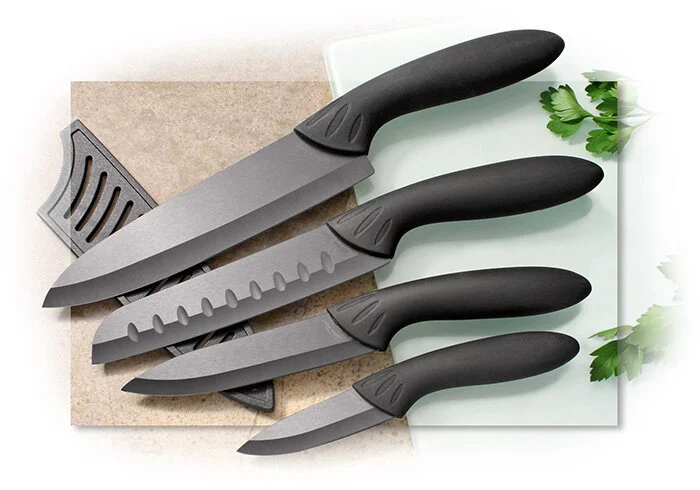
The debate between ceramic knife vs acrylic knives starts with their fundamental differences in materials and manufacturing. Ceramic blades are crafted from zirconium dioxide, a hard and lightweight material that is fired at extremely high temperatures. This process results in an exceptionally sharp and rigid edge, making ceramic knives popular for slicing fruits, vegetables, and boneless meats.
Acrylic knives, on the other hand, are made from a type of durable plastic. While not as hard as ceramics or metals, acrylic blades are lightweight and resistant to rust and corrosion. They are often chosen for their affordability, colorful designs, and suitability for certain tasks where metal or ceramic might not be ideal.
Durability: Which Knife Lasts Longer?
When comparing the longevity of ceramic and acrylic knives, the differences are significant. Ceramic blades are renowned for their hardness, which allows them to maintain a sharp edge much longer than most metal or plastic alternatives. However, this same hardness makes them brittle. Dropping a ceramic knife or using it to cut through hard substances like bones can cause chipping or even breakage.
Acrylic knives are generally more forgiving when it comes to accidental drops or rough handling. Their flexibility and softer material mean they are less likely to chip or snap. However, they tend to lose their edge quickly and may require frequent replacement or sharpening, which can be challenging due to the nature of the plastic.
- Ceramic knives: Extremely sharp, long-lasting edge, but prone to chipping and breakage.
- Acrylic knives: More durable against impact, but dull faster and are less effective for precision tasks.
Safety Considerations: Handling and Use
Safety is a top concern in any kitchen, and the choice between ceramic and acrylic knives can impact your experience. Ceramic blades, with their razor-sharp edges, require careful handling. They can easily slice through food—and fingers—if not used with caution. Additionally, their brittleness means they should never be used for prying, twisting, or cutting hard objects.
Acrylic knives are generally considered safer for casual use. Their edges are not as sharp as ceramic or metal, reducing the risk of severe cuts. This makes them a popular choice for children learning to cook or for situations where safety is a higher priority than precision. However, because they dull quickly, users may apply more force when cutting, which can lead to slips or accidents if not careful.

Maintenance and Care for Ceramic and Acrylic Knives
Proper maintenance can extend the life of any kitchen knife. Ceramic blades require special care: they should be hand-washed, stored separately to prevent chipping, and only used on soft cutting boards. Sharpening ceramic knives is not as straightforward as with steel; it often requires a diamond sharpener or professional service.
Acrylic knives are easy to clean and are typically dishwasher safe, though hand washing is always recommended to prevent warping or dulling. Sharpening is less effective due to the nature of the plastic, so most users simply replace them when they become too dull.
- Hand-wash ceramic blades and store them in a protective sheath or knife block.
- Use soft cutting boards (wood or plastic) to avoid damaging the edge.
- Acrylic knives can be cleaned in the dishwasher, but avoid high heat cycles.
- Replace acrylic blades when they lose their cutting ability.
Performance: Cutting Ability and Versatility
The sharpness of ceramic knives is often unmatched, making them excellent for slicing fruits, vegetables, and boneless proteins with precision. Their non-reactive surface also means they won’t transfer odors or flavors between foods. However, their limited versatility—unable to handle hard or frozen foods—can be a drawback for some users.
Acrylic knives are best suited for light tasks such as slicing soft fruits, cakes, or sandwiches. They are not designed for heavy-duty chopping or tasks that require a razor-sharp edge. Their main advantage lies in their affordability and safety for casual use.
Cost Comparison and Value
Price is another factor to consider when choosing between these two types of knives. Ceramic blades tend to be more expensive due to the materials and manufacturing process. However, their long-lasting sharpness can make them a worthwhile investment for those who value performance and are willing to provide proper care.
Acrylic knives are typically very affordable and widely available. They are a practical choice for temporary use, picnics, or as starter tools for children. Because they need to be replaced more often, their long-term value may be lower for frequent cooks.
Frequently Asked Questions
Are ceramic knives better than acrylic knives for everyday cooking?
Ceramic blades offer superior sharpness and edge retention, making them ideal for precise slicing and dicing. However, they are more fragile and require careful handling. Acrylic knives are safer for casual use and for children, but they dull quickly and are less effective for demanding kitchen tasks.
Can you sharpen acrylic knives at home?
Sharpening acrylic blades is generally not effective due to the soft nature of the material. Most users replace them once they become dull. Ceramic knives, on the other hand, require specialized sharpening tools or professional services.
Which knife is safer for children to use?
Acrylic knives are considered safer for children because their edges are less sharp and the material is more forgiving. They are a good choice for teaching basic cutting skills under supervision.
Conclusion: Making the Right Choice for Your Kitchen
The decision between ceramic and acrylic knives depends on your priorities. If you value a razor-sharp edge and are willing to invest in careful maintenance, ceramic blades offer excellent performance for specific tasks. For those prioritizing safety, affordability, and ease of use—especially for children or occasional cooks—acrylic knives are a practical alternative.
By understanding the strengths and limitations of each type, you can select the right knife for your needs and ensure a safer, more enjoyable cooking experience.