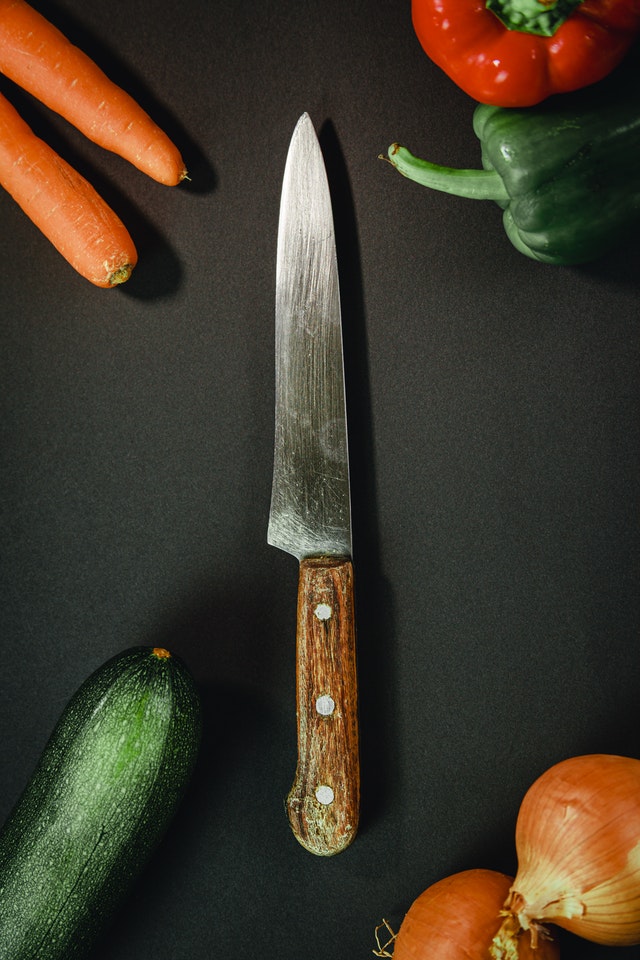

Forged knives are prized for their durability, sharpness, and craftsmanship. Whether you’re a professional chef or a home cook, understanding how to care for forged knives is essential for preserving their performance and appearance over time. Proper maintenance not only extends the life of your blades but also ensures safety and precision in the kitchen. This guide covers cleaning, storage, sharpening, and best practices to help your forged knives last for years.
Before diving into detailed care routines, it’s helpful to understand what sets forged knives apart. These blades are made by heating and hammering steel, resulting in a denser, stronger structure compared to stamped knives. Their robust construction makes them reliable tools, but also means they require specific attention to maintain their edge and prevent damage.
For those interested in the craftsmanship behind these blades, you can learn more about traditional forging methods through this blade forging tutorial by a master smith.
Daily Maintenance: Cleaning and Drying
One of the most important aspects of forged knife care is proper cleaning. After each use, wash your knife by hand using warm water and mild dish soap. Avoid abrasive sponges or harsh detergents, as these can scratch the blade or damage the handle. Never put forged knives in the dishwasher—the high heat and harsh chemicals can cause warping, dulling, and even rust.
After washing, immediately dry the knife with a soft towel. Leaving moisture on the blade, especially on high-carbon steel, can lead to rust spots and corrosion. Make sure to dry the handle and any crevices where water might collect.

Proper Storage for Blade Protection
Storing your forged knives correctly is crucial for both safety and blade longevity. Avoid tossing them loosely in a drawer, as this can lead to nicks, chips, and dulling. Instead, consider these storage options:
- Knife blocks: Keep blades separated and protected from contact with other utensils.
- Magnetic strips: Mount on a wall to save counter space and prevent edge damage.
- Blade guards or sheaths: Ideal for knives stored in drawers or for transporting blades safely.
Whichever method you choose, ensure the blade is completely dry before storage to prevent moisture buildup and rust.
Sharpening and Honing Techniques
Maintaining a sharp edge is essential for performance and safety. There’s a difference between sharpening and honing:
- Honing: Realigns the blade’s edge and should be done frequently, ideally before or after each use. Use a honing steel and gently draw the knife at a 15–20 degree angle on each side.
- Sharpening: Removes metal to create a new edge. This is needed less often—typically every few months, depending on usage. Use a whetstone, guided sharpener, or have your knives professionally sharpened.
Never use pull-through sharpeners on high-quality forged blades, as they can remove too much metal and damage the edge. Regular maintenance with the right tools will keep your knives performing at their best.

Preventing Rust and Stains
Even stainless forged knives can develop rust or stains if not cared for properly. Here are some tips to minimize the risk:
- Always dry knives thoroughly after washing.
- Avoid prolonged contact with acidic foods (like tomatoes or citrus) which can cause discoloration.
- Apply a thin layer of food-safe mineral oil to high-carbon steel blades every few weeks, especially if you live in a humid climate.
- Store knives in a dry environment, away from sinks or dishwashers.
If you notice any rust spots, gently remove them with a soft sponge and a baking soda paste. Avoid steel wool or harsh abrasives, which can scratch the blade.
Handle Care and Maintenance
Forged knives often feature wooden, composite, or synthetic handles. To keep handles in top condition:
- Never soak knives in water, as this can cause wood to swell or crack.
- Wipe handles clean with a damp cloth and dry immediately.
- For wooden handles, occasionally apply a small amount of mineral oil or beeswax to prevent drying and splitting.
Inspect handles regularly for signs of wear or loosening. If you notice any issues, consult a professional for repair or replacement to ensure safety.
Best Practices for Everyday Use
Proper usage habits are just as important as cleaning and sharpening. To maximize the lifespan of your forged knives:
- Use a wooden or plastic cutting board—never glass, stone, or metal surfaces.
- Avoid using knives to cut frozen foods, bones, or hard shells, which can damage the edge.
- Don’t use your knife as a screwdriver, can opener, or pry bar.
- Keep knives out of the reach of children and store them securely.
Following these guidelines will help maintain the integrity of your blades and ensure safe, efficient cutting.
Frequently Asked Questions
How often should I sharpen my forged knife?
Sharpening frequency depends on use, but most home cooks should sharpen their forged knives every 3–6 months. Regular honing with a steel will help maintain the edge between sharpenings.
Can I put my forged knives in the dishwasher?
No, dishwashers can damage both the blade and handle. Always wash forged knives by hand with mild soap and water, then dry them immediately.
What should I do if my forged knife develops rust?
Remove light rust with a baking soda paste and a soft sponge. For stubborn spots, use a rust eraser or consult a professional. Prevent rust by keeping knives dry and occasionally oiling high-carbon blades.
Is it necessary to oil the blade of my forged knife?
For high-carbon steel knives, applying a thin layer of food-safe mineral oil helps prevent rust, especially in humid environments. Stainless steel blades generally require less maintenance but should still be kept dry.
Conclusion
Properly maintaining your forged knives ensures they remain sharp, safe, and beautiful for years to come. By following the cleaning, storage, sharpening, and usage tips outlined above, you’ll get the most from your investment and enjoy the superior performance that forged blades offer. With just a little regular attention, your knives will continue to serve you well in the kitchen and beyond.