Choosing the right kitchen or outdoor knife often comes down to understanding how the blade is constructed. One of the most debated topics among chefs, home cooks, and knife enthusiasts is the difference between full tang vs partial tang knives. These terms refer to how the blade extends into the handle, affecting everything from balance and durability to safety and price. If you’re shopping for a new knife or simply want to know what sets these two designs apart, this article will help you make an informed decision.
Before diving into the details, it’s worth noting that the tang—the part of the blade that extends into the handle—plays a crucial role in a knife’s performance. Whether you’re slicing vegetables in the kitchen or tackling tough tasks outdoors, understanding the tang can help you select a tool that matches your needs. For those interested in the craft of knife making, resources like the blade forging tutorial by Jim Saviano, Master Smith offer deeper insights into how these knives are made.
Understanding Knife Tang: What Does It Mean?
The tang is the portion of the blade that extends into the handle. Its design influences the knife’s strength, balance, and longevity. There are two primary types:
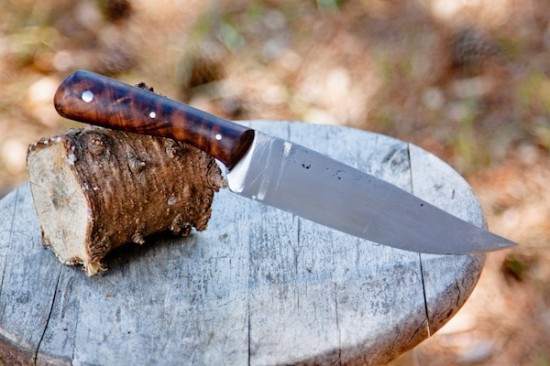
- Full tang: The blade steel runs the entire length and width of the handle, often visible between handle scales.
- Partial tang: The blade steel extends only partway into the handle, sometimes as a thin rod or a shorter insert.
Both designs have their place in the world of cutlery, but their differences can significantly impact performance and user experience.
Key Differences Between Full Tang and Partial Tang Knives
When comparing full tang vs partial tang knives, several factors come into play. Here’s a breakdown of the most important distinctions:
Strength and Durability
Full tang knives are generally considered stronger and more durable because the blade and handle are essentially one continuous piece of metal. This construction allows the knife to withstand more force and pressure, making it less likely to break at the handle. In contrast, partial tang knives may be more prone to snapping or loosening over time, especially under heavy use.
Balance and Control
One of the main advantages of a full tang knife is its balance. The even distribution of weight from the blade through the handle provides better control, which is especially important for precision tasks in the kitchen. Partial tang knives, being lighter in the handle, can feel unbalanced and may not offer the same level of control, particularly during repetitive or demanding cutting tasks.
Safety Considerations
Safety is another critical aspect when evaluating these two knife types. Full tang knives are less likely to separate from the handle, reducing the risk of accidents. With partial tang knives, the handle can sometimes detach or become loose, especially if the knife is subjected to twisting or prying motions. For tasks that require extra force or leverage, a full tang design is generally the safer choice.
Advantages of Full Tang Knives
Full tang knives are often favored by professionals and serious home cooks for several reasons:
- Superior strength: The continuous steel construction resists bending and breaking.
- Enhanced balance: Weight is evenly distributed, making the knife easier to maneuver.
- Longer lifespan: Handles are less likely to loosen or detach over time.
- Versatility: Suitable for heavy-duty tasks, including chopping, splitting, and outdoor use.
Many high-end chef’s knives, survival knives, and hunting blades use a full tang design for these reasons.
Benefits of Partial Tang Knives
While full tang knives have clear advantages, partial tang knives offer their own set of benefits, making them suitable for specific situations:
- Lighter weight: Easier to handle for those who prefer a less hefty tool.
- Lower cost: Generally more affordable due to simpler manufacturing processes.
- Suitable for light tasks: Ideal for paring, peeling, and other low-stress kitchen jobs.
- Creative handle designs: Allows for more varied shapes and materials in the handle.
Partial tang knives can be a good choice for users who don’t need the extra durability of a full tang, or for those seeking a budget-friendly option for occasional use.
How to Choose the Right Knife for Your Needs
When deciding between these two construction types, consider the following factors:
- Intended use: For heavy-duty chopping, outdoor activities, or professional kitchens, a full tang knife is usually the best choice. For light food prep or occasional use, a partial tang knife may suffice.
- Budget: Full tang knives tend to be more expensive, but they offer better longevity. Partial tang knives are often more affordable and can be replaced more easily.
- Comfort and balance: Test how the knife feels in your hand. Balance and weight distribution are key for comfort and safety.
- Maintenance: Both types require regular care, but full tang knives may need less frequent handle repairs.
Ultimately, the best knife is the one that fits your cooking style, budget, and comfort preferences.
Common Myths About Knife Tangs
There are several misconceptions about knife construction that can influence purchasing decisions. Let’s clear up a few:
- Myth: All quality knives are full tang. While many high-end knives use this design, some excellent knives use partial tangs, especially for specialized tasks.
- Myth: Partial tang knives are always weak. Advances in adhesives and handle materials have improved the durability of partial tang knives, though they still aren’t ideal for heavy-duty work.
- Myth: You can always see the tang. Some full tang knives are hidden tang, meaning the steel runs the length of the handle but isn’t visible.
FAQ
Are full tang knives always better than partial tang knives?
Not necessarily. While full tang knives are stronger and more durable, partial tang knives can be lighter, more affordable, and suitable for tasks that don’t require heavy force. The best choice depends on your intended use and personal preferences.
How can I tell if a knife is full tang?
Look for a visible strip of steel running through the handle, often sandwiched between two handle scales. However, some full tang knives have a hidden tang, so checking the manufacturer’s specifications is the most reliable method.
Do professional chefs prefer full tang knives?
Many professional chefs choose full tang knives for their balance, strength, and reliability, especially for daily use in demanding environments. However, some chefs may use partial tang knives for specific tasks where a lighter or differently balanced tool is preferred.