Hand-forged knives have earned a reputation for their durability, sharpness, and unique craftsmanship. Unlike mass-produced blades, these knives are shaped, hardened, and finished by skilled artisans using time-honored techniques. Understanding how hand forged knives are made reveals the artistry and precision that go into every blade, making each one a functional work of art.
This guide explores the entire process, from selecting raw materials to the final sharpening and finishing touches. Whether you’re a culinary enthusiast, a collector, or simply curious about traditional knife making, you’ll gain a deeper appreciation for the skill and dedication behind every hand-forged blade.
For a detailed look at traditional Japanese methods, you can visit this step-by-step overview of Sakai knife forging from a renowned Japanese smithy.
Choosing the Right Steel for Forging
The journey begins with selecting the appropriate steel. The choice of steel determines the blade’s hardness, edge retention, and resistance to corrosion. Common options include high-carbon steels, stainless steels, and specialty alloys. High-carbon steel is favored for its ability to take a razor-sharp edge, though it requires more maintenance to prevent rust.
- High-carbon steel: Excellent sharpness and edge retention, but prone to rust.
- Stainless steel: More resistant to corrosion, easier to maintain, but can be harder to sharpen.
- Specialty alloys: Offer a balance of toughness, sharpness, and corrosion resistance.
Once the steel is chosen, it’s cut into a blank—the rough shape that will become the knife blade.
Heating and Shaping: The Forging Process
The heart of how hand forged knives are made lies in the forging process. The steel blank is heated in a forge until it reaches a glowing red or orange color, typically between 1,500°F and 2,000°F (815°C–1,095°C). At this temperature, the metal becomes malleable and ready for shaping.
- Heating: The steel is placed in the forge and heated evenly.
- Hammering: Using a hammer and anvil, the smith shapes the blade, thinning and elongating the steel. This step requires precision to ensure the blade’s geometry and balance.
- Drawing out the tang: The tang is the portion of the blade that extends into the handle. It’s formed during this stage to provide strength and stability.
Repeated cycles of heating and hammering refine the blade’s shape and internal structure, aligning the steel’s grain for improved toughness.
Normalizing and Annealing the Blade
After forging, the blade undergoes heat treatments to relieve internal stresses and prepare it for hardening. The first step is normalizing, where the blade is heated to a specific temperature and then air-cooled. This process refines the grain structure and ensures uniform hardness.
Next, the blade may be annealed by heating it again and allowing it to cool slowly. Annealing softens the steel, making it easier to grind and shape in the next steps.
Grinding and Shaping the Edge
With the blade normalized and annealed, it’s time to refine its profile and create the cutting edge. This stage involves:
- Profiling: The blade’s outline is ground to its final shape using a belt grinder or files.
- Beveling: The smith grinds the bevels—the sloped surfaces that form the cutting edge. The angle and width of the bevels affect the knife’s sharpness and cutting ability.
- Surface finishing: The blade is smoothed and any hammer marks are removed, preparing it for heat treatment.
Attention to detail during grinding ensures a balanced, well-performing knife.
Hardening and Tempering: Creating a Lasting Edge
To achieve the desired hardness and edge retention, the blade is subjected to heat treatment:
- Hardening: The blade is heated to a critical temperature and then rapidly cooled (quenched) in oil or water. This transforms the steel’s structure, making it very hard but also brittle.
- Tempering: To reduce brittleness, the blade is reheated to a lower temperature and held there for a specific time. Tempering restores toughness while maintaining hardness, resulting in a blade that can hold a sharp edge without chipping.
The precise temperatures and timing depend on the type of steel and the intended use of the knife.
Attaching the Handle and Final Assembly
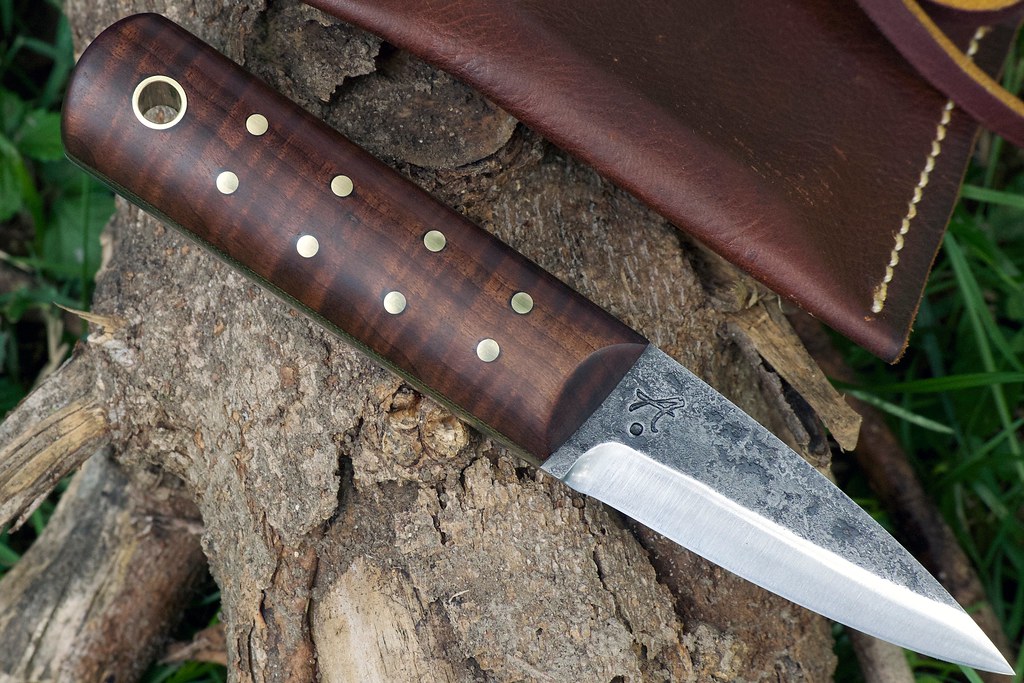
Once the blade is hardened and tempered, attention turns to the handle. The handle material—often wood, micarta, or composite—is shaped to fit the tang. It’s then secured with pins, rivets, or epoxy. The handle is sanded and finished for comfort and aesthetics.
Some knives feature a full tang, where the steel runs the entire length of the handle, while others use a partial tang. A well-fitted handle ensures balance and control during use.
Sharpening and Polishing: The Final Touches
The last steps in how hand forged knives are made involve sharpening and finishing. The blade is honed to a razor edge using whetstones or mechanical sharpeners. Polishing removes any remaining scratches and brings out the steel’s luster.
Some blades receive a decorative finish, such as a hammered or etched pattern, highlighting the craftsmanship. After a final inspection, the knife is cleaned, oiled, and prepared for use or sale.
Why Choose a Hand-Forged Knife?
Hand-forged knives stand out for several reasons:
- Superior craftsmanship: Each knife is individually made, ensuring attention to detail and quality.
- Unique character: No two hand-forged blades are exactly alike, making each one a unique piece.
- Performance: Properly forged and heat-treated knives offer excellent edge retention and cutting ability.
- Longevity: With proper care, these knives can last a lifetime and often become cherished heirlooms.
Whether for culinary professionals or enthusiasts, investing in a hand-forged knife means choosing tradition, quality, and artistry.
Frequently Asked Questions
What Makes Hand-Forged Knives Different from Factory-Made Knives?
Hand-forged knives are crafted by skilled artisans who shape, heat treat, and finish each blade individually. This process results in superior grain structure, balance, and edge retention compared to many mass-produced knives, which are often stamped or laser-cut from steel sheets and finished by machine.
How Should I Care for a Hand-Forged Knife?
To maintain your knife, always hand wash and dry it immediately after use. Avoid dishwashers and prolonged exposure to moisture. Regularly oil the blade if it’s made from high-carbon steel to prevent rust. Sharpen the edge as needed using a whetstone or professional sharpening service.
How Long Does It Take to Make a Hand-Forged Knife?
The time required varies depending on the complexity of the design and the smith’s methods. Generally, crafting a single hand-forged knife can take anywhere from several hours to several days, including forging, heat treating, grinding, handle making, and finishing.