The history of luxury knives is a fascinating journey through time, reflecting the evolution of craftsmanship, artistry, and cultural significance. From ancient ceremonial blades to modern masterpieces, these exquisite tools have served as symbols of power, status, and innovation. Today, high-end knives are not only functional but also represent the pinnacle of design and material science. Understanding how these objects have developed over centuries offers insight into both human ingenuity and the enduring appeal of fine craftsmanship.
Collectors and enthusiasts alike appreciate the meticulous attention to detail that defines a luxury knife. Whether forged by hand or produced with advanced technology, these blades carry stories of tradition and excellence. For those interested in the technical aspects, exploring the different types of knife edges can deepen appreciation for the skill involved in their creation.
Before delving into the eras that shaped these remarkable objects, it’s worth noting that luxury knives have always bridged the gap between utility and artistry. Their evolution mirrors advances in metallurgy, design, and cultural values, making them a unique lens through which to view human history.
Origins and Early Development of Prestigious Blades
The earliest known knives date back to the Stone Age, crafted from flint, obsidian, and bone. While these primitive tools were essential for survival, the concept of a “luxury” knife emerged as societies advanced. In ancient Egypt, ornate daggers adorned with gold and precious stones were buried with pharaohs, signifying both status and spiritual protection. Similarly, in Mesopotamia and ancient China, blades became symbols of authority and were often presented as diplomatic gifts.
As metallurgy progressed, bronze and iron replaced stone, allowing for more intricate designs and improved durability. These advancements laid the groundwork for the creation of ceremonial and decorative knives, prized not just for their function but for their beauty and symbolism.
Medieval and Renaissance Eras: The Rise of Decorative Knives
During the Middle Ages, the history of luxury knives took a significant leap forward. Nobles and royalty commissioned blades with elaborate engravings, jeweled handles, and custom sheaths. European craftsmen, particularly in regions like Toledo and Solingen, became renowned for their expertise in forging high-quality steel and creating ornate pieces for the elite.
Knives from this period were often used in ceremonial contexts, such as feasts and knightly rituals. The Renaissance further elevated the artistry of these objects, with Italian and French artisans producing masterpieces that blended utility with aesthetic appeal. Collectors today prize these historical pieces for their intricate workmanship and the stories they embody.
Modern Innovations and the Art of Knife Making
With the advent of industrialization, the production of knives became more efficient, but the tradition of handcrafting luxury blades persisted. In the 19th and 20th centuries, renowned makers in Germany, Japan, and France continued to refine their techniques, blending traditional methods with new materials such as stainless steel and advanced alloys.
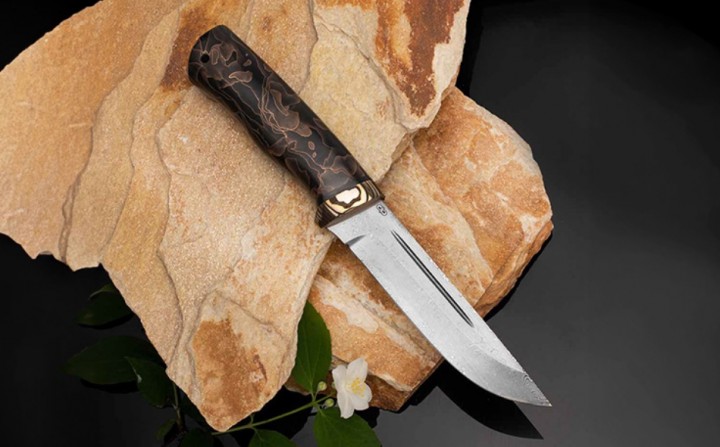
Contemporary luxury knives often feature Damascus steel, known for its distinctive patterns and exceptional strength. Modern artisans experiment with exotic handle materials like mammoth ivory, stabilized woods, and carbon fiber. The result is a fusion of time-honored craftsmanship and cutting-edge technology, appealing to collectors, chefs, and enthusiasts worldwide.
Global Influences: Japanese, European, and American Traditions
Distinct regional styles have left a lasting mark on the history of luxury knives. Japanese blades, such as the katana and the chef’s gyuto, are celebrated for their razor-sharp edges and minimalist elegance. The forging process, often involving multiple layers of steel, reflects a deep respect for tradition and precision.
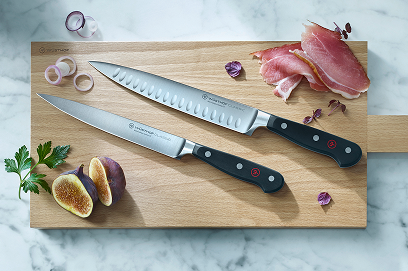
European makers, especially in Germany and France, have developed iconic designs like the chef’s knife and carving set. American custom knifemakers, meanwhile, have introduced innovative shapes and materials, pushing the boundaries of what defines a high-end blade. Each tradition brings unique techniques and philosophies, enriching the global landscape of luxury cutlery.
Collecting and Caring for Fine Blades
For those who invest in high-end knives, proper care is essential to preserve both their beauty and functionality. Regular cleaning, careful storage, and periodic sharpening help maintain the edge and prevent corrosion. Many collectors display their pieces in custom cases, highlighting the artistry of each blade.
Understanding the different types of steel, handle materials, and construction methods can guide buyers in making informed choices. Whether seeking a chef’s knife for culinary excellence or a decorative piece for display, the world of luxury knives offers something for every taste and interest.
Frequently Asked Questions
What materials are commonly used in high-end knives?
Luxury knives often feature premium steels such as Damascus, VG-10, and high-carbon stainless, along with handle materials like exotic woods, ivory, horn, and advanced composites. These materials are chosen for their durability, beauty, and performance.
How do I maintain a collectible or expensive knife?
To keep a fine knife in top condition, clean it by hand with mild soap, dry it thoroughly, and store it in a protective case or sheath. Regular honing and occasional professional sharpening will help maintain the edge. Avoid dishwashers and prolonged moisture exposure.
What distinguishes a luxury knife from a standard one?
High-end knives are defined by superior materials, meticulous craftsmanship, and often unique or custom designs. They may include hand-forged blades, intricate engravings, and rare handle materials, setting them apart from mass-produced alternatives.