Choosing the right kitchen knife can make food preparation easier, safer, and more enjoyable. Two of the most commonly compared tools are the boning knife and the utility knife. While both are versatile, they serve different purposes and excel in specific tasks. Understanding the distinctions between these knives will help you select the best tool for your cooking needs.
In this guide, we’ll break down the features, uses, and benefits of each knife type. We’ll also share expert insights, practical tips, and a helpful resource on choosing and caring for a boning knife to help you get the most out of your kitchen tools.
Understanding Boning Knives
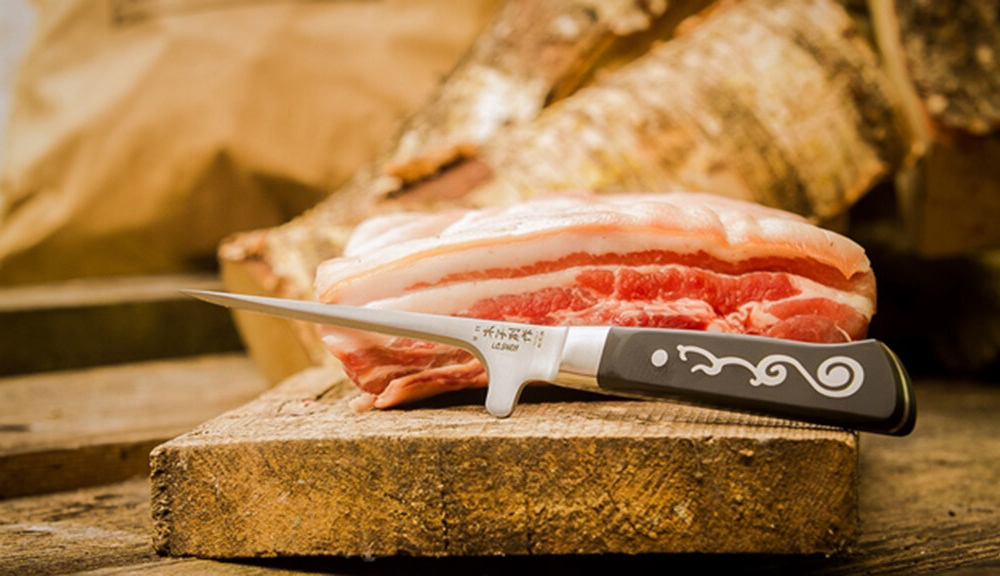
A boning knife is a specialized kitchen tool designed for removing bones from meat, poultry, and fish. Its blade is typically narrow, sharp, and slightly flexible, allowing for precise cuts close to the bone. This flexibility helps the user maneuver around joints and cartilage with ease.
- Blade Length: Usually ranges from 5 to 7 inches.
- Shape: Slim, pointed tip for accuracy.
- Flexibility: Some models are stiffer for beef and pork, while more flexible versions are ideal for poultry and fish.
- Primary Use: Deboning, trimming fat, and filleting.
The design of a boning knife makes it an essential tool for butchers and home cooks who frequently prepare fresh cuts of meat or fish. Its ability to make clean, controlled cuts minimizes waste and helps maintain the integrity of the protein.

What Sets Utility Knives Apart?
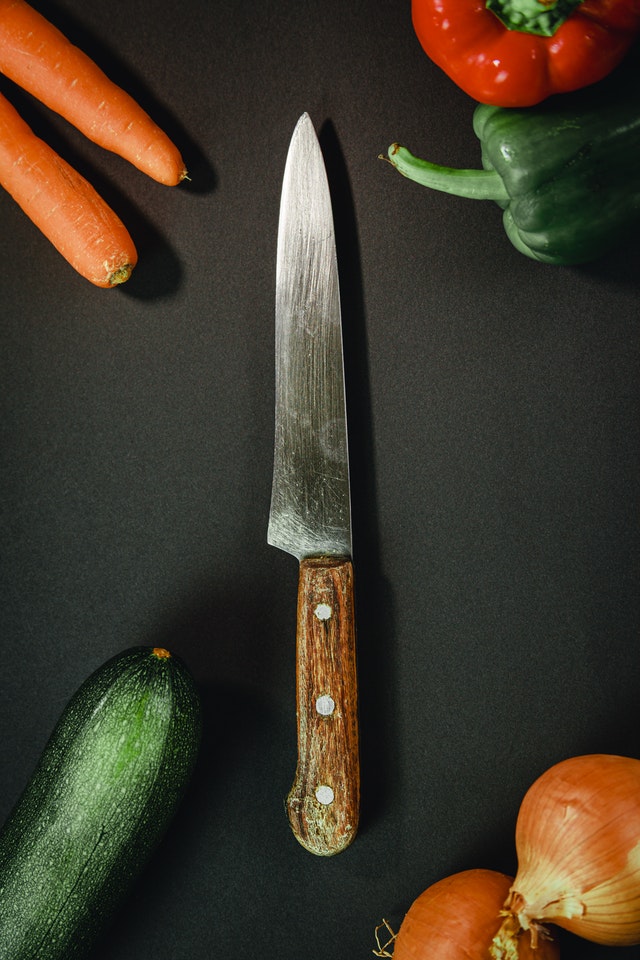
The utility knife is a general-purpose kitchen tool that bridges the gap between a chef’s knife and a paring knife. Its blade is usually straight, moderately long, and less flexible than a boning knife. This makes it suitable for a wide range of everyday kitchen tasks.
- Blade Length: Typically 4 to 7 inches.
- Shape: Straight edge with a pointed or rounded tip.
- Flexibility: Generally rigid for stability.
- Primary Use: Slicing fruits, vegetables, sandwiches, and small cuts of meat.
Utility knives are valued for their versatility. They can handle most slicing and chopping jobs that are too small for a chef’s knife but too large for a paring knife. However, their design is not optimized for working around bones or joints.
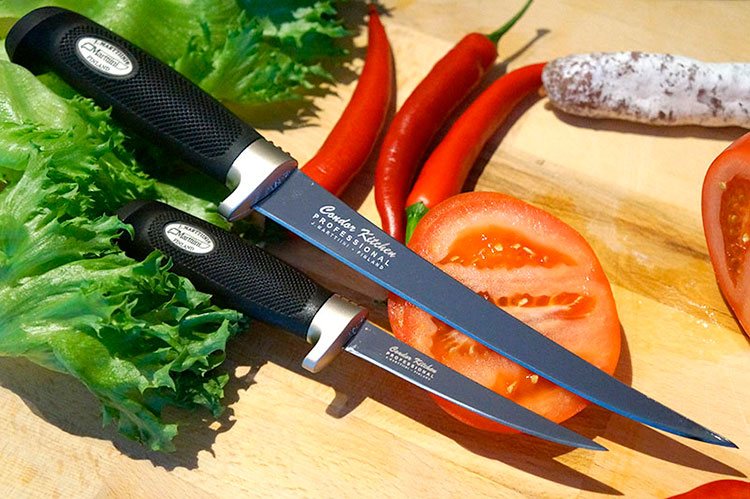
Comparing Boning and Utility Knives for Kitchen Tasks
When considering boning knife vs utility knife for your kitchen, it’s important to match the tool to the task. Here’s a breakdown of how each knife performs in common scenarios:
| Task | Boning Knife | Utility Knife |
|---|---|---|
| Deboning Meat | Excellent – designed for precision around bones | Poor – not intended for bone work |
| Filleting Fish | Very Good – flexible blade for delicate cuts | Fair – can manage but lacks flexibility |
| Slicing Vegetables | Fair – can slice but not ideal | Excellent – perfect for most produce |
| Trimming Fat | Excellent – sharp tip and flexible blade | Fair – less precise for trimming |
| General Prep | Limited – best for meat and fish | Excellent – versatile for many tasks |
Choosing the Right Knife for Your Needs
The decision between these two kitchen knives depends on your cooking habits and the types of food you prepare most often. Here are some factors to consider:
- Frequency of Meat Preparation: If you regularly debone chicken, trim pork, or fillet fish, a boning knife is indispensable.
- General Versatility: For those who want a multipurpose blade for slicing, dicing, and prepping a variety of ingredients, the utility knife is the better choice.
- Skill Level: Boning knives require more skill and control, while utility knives are beginner-friendly.
- Space and Budget: If you only want one or two knives in your kitchen, a utility knife covers more ground, but serious cooks may benefit from owning both.
Care and Maintenance Tips
Proper care extends the lifespan and performance of your kitchen knives. Here are some essential tips:
- Hand wash knives with mild soap and dry immediately to prevent rust.
- Store knives in a block, sheath, or on a magnetic strip to protect the blade.
- Sharpen regularly using a whetstone or professional service.
- Use the right knife for the job to avoid damaging the blade or injuring yourself.
For more detailed advice, check out this complete guide to choosing and caring for a boning knife.
Frequently Asked Questions
What is the main difference between a boning knife and a utility knife?
The primary distinction lies in their design and intended use. A boning knife features a narrow, flexible blade for removing bones and trimming meat, while a utility knife has a straight, rigid blade for general slicing and chopping tasks.
Can I use a utility knife for deboning meat?
While a utility knife can handle some light trimming, it is not designed for deboning. Using it for this purpose may result in less precise cuts and could damage the blade.
Do I need both knives in my kitchen?
If you frequently prepare meat or fish, owning both knives is beneficial. However, if you mostly cook vegetables and simple meals, a utility knife may be sufficient for your needs.
How do I keep my knives sharp and safe?
Regular sharpening, proper cleaning, and safe storage are key. Always use the right knife for the task and avoid cutting on hard surfaces like glass or stone.