Creating a one-of-a-kind blade through custom forged knife making is a rewarding pursuit that blends craftsmanship, creativity, and technical skill. Whether you’re a seasoned bladesmith or a passionate beginner, the process of designing and forging a personalized knife offers a unique opportunity to craft a tool that fits your needs and style perfectly. From selecting the right steel to shaping the handle, each step is an expression of your vision and attention to detail.
In this guide, we’ll walk through the essential stages of forging a custom knife, discuss material choices, and explore the artistry behind blade design. You’ll also find practical advice, expert tips, and resources to help you get started or refine your techniques. For a deeper dive into the process and the reasons behind hand-forging, consider reading this comprehensive overview of hand-forged knives and their advantages.
Why Choose Hand-Forged Knives?
Hand-forging a blade allows for complete control over every aspect of the knife, from the steel’s composition to the final edge geometry. Unlike mass-produced options, a custom-forged knife is tailored to your specifications, ensuring optimal balance, comfort, and performance. Many enthusiasts value the durability and unique character that comes from forging by hand, as each blade carries subtle marks of its maker and the forging process itself.
Additionally, forging offers the flexibility to experiment with different blade shapes, handle materials, and finishes. Whether you’re interested in a chef’s knife, hunting blade, or a specialized tool, the possibilities are nearly endless when you take the custom route.
Planning Your Custom Blade Design
Before heating up the forge, it’s important to plan your knife’s design. Consider the intended use: will it be a kitchen workhorse, an outdoor companion, or a collector’s piece? Sketching your ideas or using design software can help visualize proportions and ergonomics. Key elements to decide on include:
- Blade shape: Options like drop point, tanto, or santoku each serve different functions.
- Blade length: Shorter blades offer control, while longer blades handle larger tasks.
- Handle style: Choose a grip that feels comfortable and secure in your hand.
- Balance point: The weight distribution affects how the knife feels during use.
By clarifying these details early, you’ll streamline the forging and finishing process, reducing the risk of costly mistakes or design changes later on.
Choosing Materials for Custom Forged Knife Making
The selection of materials is a crucial step in crafting a reliable and beautiful knife. For the blade, high-carbon steels such as 1095, 52100, or tool steels like O1 and D2 are popular choices due to their edge retention and toughness. Stainless steels offer corrosion resistance but can be more challenging to forge for beginners.
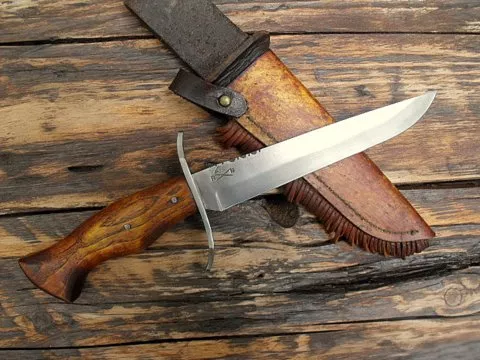
Handle materials range from traditional woods (walnut, maple, ebony) to modern synthetics (micarta, G10) and even stabilized materials that combine natural beauty with durability. The choice depends on your aesthetic preferences, intended use, and maintenance expectations. Don’t overlook the importance of pins, rivets, or decorative elements, which can enhance both function and style.
The Forging Process: Step by Step
Once your design and materials are ready, the forging process begins. Here’s a general overview of the main stages:
- Heating the steel: The steel is heated in a forge until it reaches a workable temperature, typically between 1,500°F and 2,000°F.
- Shaping the blade: Using a hammer and anvil, the smith draws out the steel, forming the blade’s profile and bevels.
- Normalizing: The blade is reheated and allowed to cool slowly to relieve internal stresses, improving toughness.
- Grinding: After forging, the blade is ground to refine the shape, establish the edge, and smooth the surfaces.
- Heat treating: Hardening and tempering the blade ensures the right balance of hardness and flexibility.
- Handle fitting: The handle is shaped, attached, and finished for comfort and aesthetics.
- Final sharpening and polishing: The edge is honed, and the blade receives its final finish.
Each step requires patience and attention to detail. Mistakes can often be corrected, but careful planning and steady hands yield the best results.
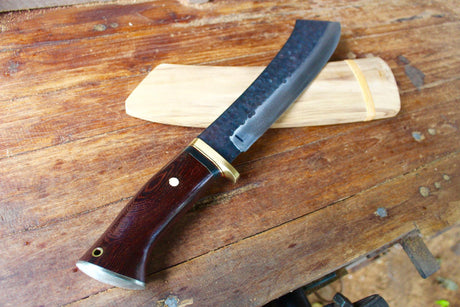
Finishing Touches and Personalization
One of the joys of making a custom knife is adding personal touches that set your blade apart. This can include decorative filework on the spine, etched patterns, or custom mosaic pins. Some makers choose to apply a patina or unique finish to the blade for added character and protection.
Engraving initials, logos, or meaningful symbols can further personalize your creation. These details not only enhance the knife’s appearance but also create a lasting connection between the maker and the tool.
Care and Maintenance of Hand-Forged Blades
Proper care ensures your custom knife remains sharp, safe, and beautiful for years to come. Here are some essential maintenance tips:
- Keep the blade dry and clean after use to prevent rust, especially for high-carbon steels.
- Regularly oil the blade and handle to maintain their condition.
- Sharpen the edge with appropriate stones or systems, maintaining the original bevel angle.
- Store the knife in a dry place, ideally in a sheath or on a magnetic strip.
With the right care, a hand-forged knife can become a treasured tool passed down through generations.
Frequently Asked Questions
What tools do I need to start forging knives?
Basic equipment includes a forge, anvil, hammer, tongs, and safety gear. You’ll also need files, grinders, and heat-treating supplies. As you gain experience, you can expand your toolkit with specialized tools for more advanced techniques.
How long does it take to make a custom knife?
The process can take anywhere from several hours to several days, depending on the complexity of the design, your skill level, and the materials used. Beginners should allow extra time for learning and practice.
Is forging better than stock removal for knife making?
Both methods can produce excellent knives. Forging allows for more control over the steel’s structure and can create unique shapes, while stock removal is often faster and requires less heavy equipment. The choice depends on your goals and available resources.
Exploring custom forged knife making opens up a world of creativity and craftsmanship. With patience, practice, and the right resources, you can design and create a blade that is truly your own.