
Choosing the right blade for your outdoor adventures can make a significant difference in both safety and enjoyment. This camping forged knife guide is designed to help you understand the essentials of forged knives, what makes them ideal for camping, and how to select the best option for your needs. Whether you’re a seasoned backpacker or a weekend camper, the right knife is a critical tool for food prep, fire making, and general camp tasks.
Forged knives have a long-standing reputation for strength, durability, and reliability in the wild. Unlike stamped blades, which are cut from sheets of metal, forged knives are shaped under intense heat and pressure, resulting in a denser, tougher blade. This process not only enhances the knife’s performance but also its longevity, making it a preferred choice for outdoor enthusiasts.
Before diving into the specifics, it’s important to understand why a well-crafted forged knife stands out among other outdoor tools. For those interested in the craftsmanship behind these blades, you can learn more about how forged knives are made and why their construction matters.
Why Choose a Forged Knife for Camping?
When it comes to outdoor gear, reliability is key. Forged knives are known for their superior toughness and edge retention, which are essential qualities for camping. The forging process aligns the steel’s grain structure, resulting in a blade that can withstand repeated use and resist chipping or breaking.
- Strength: The forging process creates a denser, more durable blade that can handle heavy-duty tasks like batoning wood or prying.
- Edge Retention: Forged knives typically hold a sharp edge longer, reducing the need for frequent sharpening while in the field.
- Balance and Comfort: The bolster, a thick junction between the blade and handle, offers better balance and control, making it safer for precision tasks.
- Longevity: With proper care, a quality forged knife can last a lifetime, becoming a trusted companion on every trip.
Key Features to Look for in Outdoor Forged Knives
Not all forged knives are created equal. When selecting a blade for camping, consider the following features to ensure you get the best performance:
- Blade Material: High-carbon steel is a popular choice for its hardness and ease of sharpening, but stainless steel variants offer better corrosion resistance, which is important in wet environments.
- Blade Shape: Drop point and clip point blades are versatile for slicing, food prep, and even light woodwork. A full-tang design (where the blade extends through the handle) adds strength.
- Handle Construction: Look for ergonomic handles made from durable materials like micarta, G10, or stabilized wood. A secure grip is essential for safety.
- Sheath Quality: A well-made sheath protects both the blade and the user. Leather and Kydex are common choices, each with their own advantages.
Top Forged Knife Styles for Camping
The variety of forged knives available can be overwhelming. Here are some of the most popular styles suited for outdoor use:
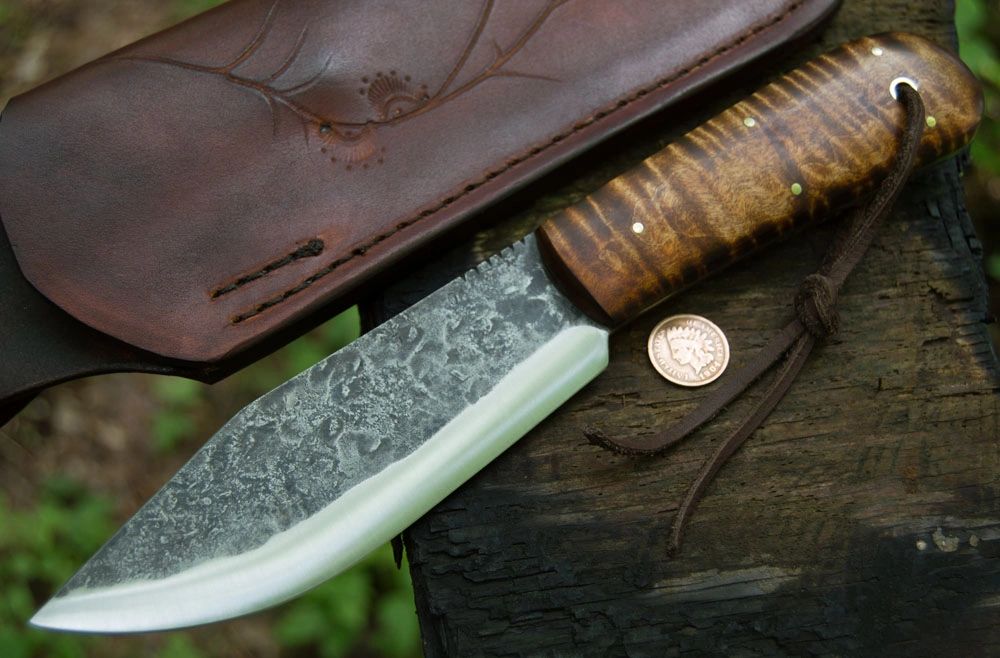
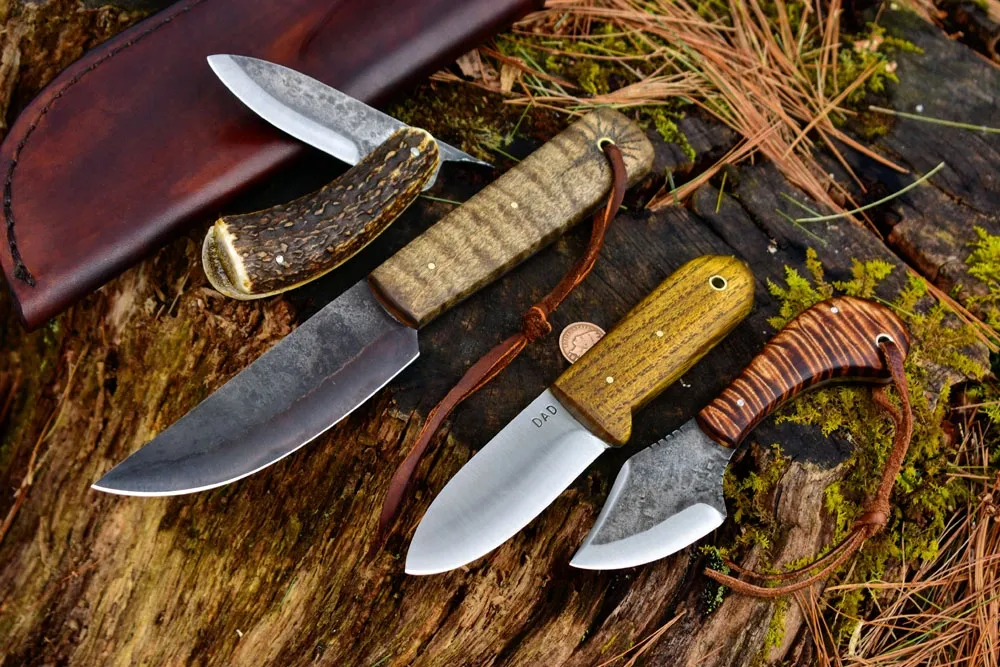
- Bushcraft Knives: Designed for wilderness survival, these knives feature a robust, full-tang construction and a simple, versatile blade shape.
- Camp Chef Knives: Ideal for food preparation at the campsite, these blades offer a longer edge and a comfortable handle for slicing and dicing.
- Utility Knives: Smaller and lighter, utility blades are great for detailed tasks like whittling, preparing tinder, or opening packages.
- Choppers: For those who need to process wood or clear brush, a heavier forged chopper or machete can be invaluable.
How to Maintain Your Forged Camping Knife
Proper care ensures your outdoor blade remains sharp, safe, and ready for any challenge. Here are some practical maintenance tips:
- Cleaning: Always clean your knife after use, especially if it’s been exposed to moisture or food acids. Wipe it dry to prevent rust.
- Sharpening: Use a whetstone or sharpening system to maintain the edge. Regular touch-ups are easier than fixing a dull or damaged blade.
- Storage: Store your knife in a dry place, preferably in its sheath. For high-carbon steel, a light coat of oil helps prevent corrosion.
- Inspection: Periodically check the handle and blade for signs of wear or damage. Tighten any loose fasteners and address issues promptly.
Comparing Forged and Stamped Knives for Outdoor Use
Understanding the differences between forged and stamped knives can help you make an informed decision. While both types have their place, forged blades generally offer advantages for camping:
| Feature | Forged Knives | Stamped Knives |
|---|---|---|
| Construction | Shaped under heat and pressure | Cut from steel sheets |
| Durability | Highly durable, resists bending | More flexible, can bend under stress |
| Edge Retention | Holds edge longer | Requires more frequent sharpening |
| Weight | Heavier, balanced feel | Lighter, less balanced |
| Price | Generally higher | Usually more affordable |
Tips for Selecting the Best Outdoor Blade
With so many options available, consider these tips when choosing your next camping knife:
- Assess Your Needs: Think about the tasks you’ll perform most often—food prep, wood processing, or general camp chores.
- Try Before You Buy: If possible, handle the knife to assess its balance, grip, and comfort.
- Check Reviews: Look for feedback from other campers and outdoor professionals to gauge real-world performance.
- Invest in Quality: A well-made forged knife is a long-term investment. Prioritize craftsmanship and reputable brands.
Frequently Asked Questions
What makes a forged knife better for camping than a stamped one?
Forged knives are generally tougher and more durable due to the way they’re made. The forging process creates a denser blade that holds its edge longer and resists bending or breaking, making it ideal for demanding outdoor tasks.
How do I maintain my forged camping knife in the field?
Clean your knife after each use, keep it dry, and apply a light oil to prevent rust if it’s made from high-carbon steel. Carry a small sharpening stone for touch-ups, and always store the blade in its sheath when not in use.
Is a full-tang design important for outdoor knives?
Yes, a full-tang construction means the blade steel runs through the entire handle, providing greater strength and stability. This is especially important for tasks that require extra force, such as splitting wood or prying.
Conclusion
A reliable forged knife is a cornerstone of any outdoor kit. By understanding the benefits of forged construction, key features to look for, and how to care for your blade, you can confidently select a knife that will serve you well on every adventure. Remember to prioritize quality, comfort, and the right tool for your specific needs, and your camping experiences will be safer and more enjoyable.