
Choosing the right blade for field-dressing game is a crucial decision for any hunter. A well-crafted, forged hunting knife is more than just a tool—it’s a reliable companion in the field, designed to withstand tough conditions and deliver precise, clean cuts. This guide explores the essential features of hand-forged hunting knives, how they compare to other types, and what to look for when selecting the perfect blade for your outdoor adventures.
Whether you’re a seasoned outdoorsman or new to hunting, understanding the differences in blade construction, steel types, and handle ergonomics can make a significant impact on your experience. Before diving into the key characteristics and top recommendations, it’s important to recognize the value of traditional forging methods and how they contribute to the durability and performance of these knives.
For those interested in the craftsmanship behind these blades, the art of forging knives using traditional techniques provides valuable insight into why forged knives are so highly regarded among hunters and collectors alike.
Why Choose a Hand-Forged Blade for Hunting?
The process of forging a hunting knife involves heating steel and shaping it with hammer and anvil, resulting in a blade with a unique grain structure and enhanced toughness. Unlike mass-produced stamped knives, hand-forged blades are known for their:
- Superior edge retention due to refined steel grain and careful heat treatment
- Increased durability—forged blades are less likely to chip or break under stress
- Personalized craftsmanship, often featuring custom handles and unique finishes
- Balance and ergonomics tailored to the user’s needs
These qualities make forged knives ideal for field-dressing, skinning, and processing game, where reliability and precision are paramount.
Key Features of Quality Field-Dressing Knives
Not all hunting knives are created equal. When evaluating options, consider the following attributes to ensure your blade meets the demands of field use:
- Blade Shape: Drop-point and clip-point designs are popular for their versatility and control. A curved belly aids in skinning, while a sharp tip is essential for detailed work.
- Steel Type: High-carbon steels like 1095 or O1 are favored for their edge-holding ability and ease of sharpening. Stainless options offer corrosion resistance but may sacrifice some toughness.
- Handle Material: Durable, grippy materials such as micarta, stabilized wood, or textured G10 provide secure handling even in wet conditions.
- Full Tang Construction: A blade that extends through the handle increases strength and reliability, especially when applying force.
- Blade Length: Most field-dressing tasks are best handled with blades between 3.5 and 5 inches, offering a balance of control and cutting power.
Comparing Forged and Stamped Hunting Knives
Understanding the differences between forged and stamped knives helps hunters make informed decisions. Forged knives are shaped from a single piece of heated steel, resulting in a denser, more robust blade. Stamped knives, by contrast, are cut from flat steel sheets and typically lack the same level of durability and balance.
While stamped knives are often lighter and less expensive, they may not hold up as well to repeated, heavy-duty use in the field. For those who prioritize longevity and performance, a hand-forged hunting knife is a worthwhile investment.
Top Forged Blades for Field Use
Selecting the right blade can be overwhelming with so many options on the market. Here are some characteristics to look for in the best field-dressing knives:
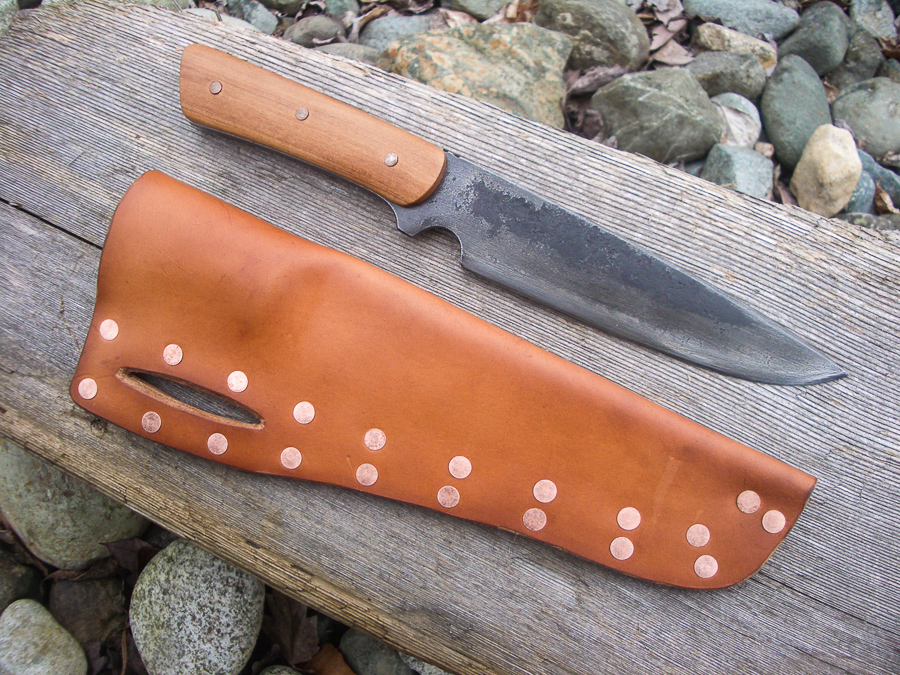
- Hand-Forged Drop Point: This style offers a strong tip and ample belly for skinning, making it a favorite among hunters.
- Forged Gut Hook: Designed specifically for opening the abdomen of game without puncturing internal organs, a gut hook can be a valuable addition.
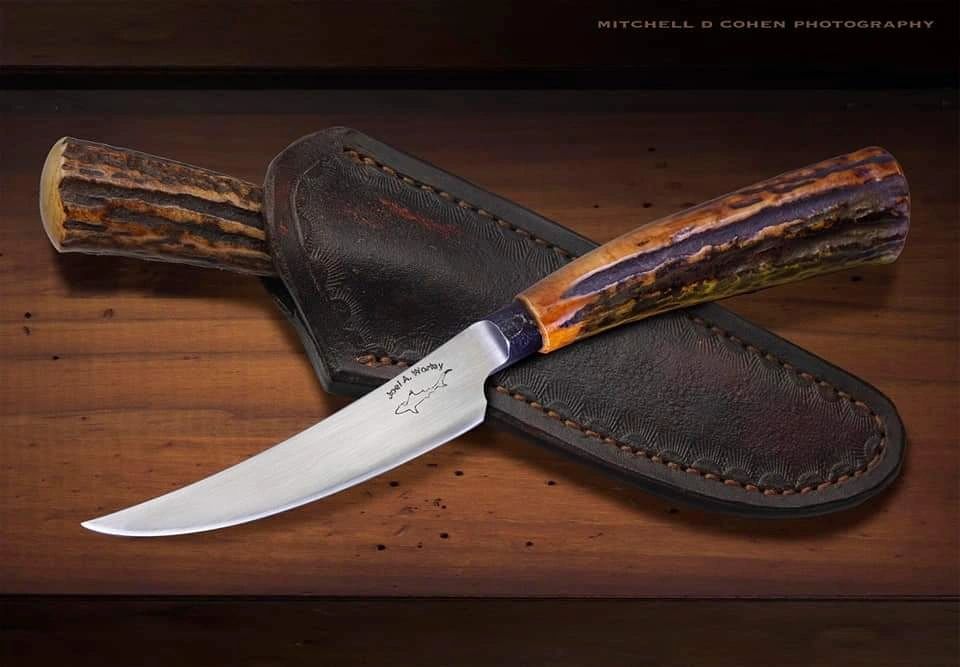
- Compact Forged Caping Knife: For detailed work around the head and feet, a small, precise blade is essential.
Many custom makers offer blades tailored to specific game or user preferences. Look for makers who use traditional forging methods and high-quality steels for the best results.
Maintaining Your Forged Field Knife
Proper care extends the life and performance of your hunting knife. Here are some tips for keeping your blade in top condition:
- Clean after each use: Rinse with warm water and dry thoroughly to prevent rust, especially with high-carbon steels.
- Sharpen regularly: Use a whetstone or ceramic rod to maintain a keen edge. Avoid pull-through sharpeners, which can damage the blade.
- Oil the blade: Apply a light coat of mineral oil to protect against corrosion.
- Store safely: Keep your knife in a dry sheath or case, away from moisture and extreme temperatures.
FAQ: Forged Knives for Field-Dressing
What makes a forged hunting knife better for field-dressing than a stamped blade?
Forged knives are crafted from a single piece of steel, resulting in a denser, tougher blade with improved edge retention. This construction method provides better balance and durability, making forged knives more reliable for demanding tasks like field-dressing game.
How do I choose the right blade shape for field use?
Drop-point and clip-point blades are popular for their versatility and control. A drop-point offers a strong tip and curved edge for skinning, while a clip-point provides a sharper tip for precision work. Consider the type of game and your preferred dressing techniques when selecting a blade shape.
How often should I sharpen my hunting knife?
The frequency depends on use, but it’s best to touch up the edge after each outing or whenever you notice a decrease in cutting performance. Regular maintenance with a whetstone or ceramic rod will keep your blade sharp and ready for the next hunt.
Conclusion
Investing in a quality, hand-forged hunting knife can make all the difference in the field. By understanding the benefits of forged construction, key features to look for, and proper maintenance techniques, hunters can ensure they have a reliable blade for every outing. Whether you’re field-dressing big game or handling smaller tasks, the right knife is an essential part of your gear.