The evolution of ancient knife forging techniques is a testament to human ingenuity and the pursuit of sharper, stronger, and more reliable tools. From the earliest days of metallurgy, blacksmiths and craftsmen experimented with different metals and methods to create blades that could withstand the demands of daily life, hunting, and warfare. The journey from simple stone tools to sophisticated steel knives reveals not only technological progress but also the cultural significance of blades in societies across the globe.
Understanding the origins and development of these traditional methods provides valuable insights into the artistry and science behind some of the world’s most iconic blades. For those interested in the technical aspects of forging, as well as the historical context, exploring the processes and innovations of the past can deepen appreciation for both ancient and modern craftsmanship. To learn more about the specific processes and their evolution, you can refer to this comprehensive overview of forging techniques and processes.
The Origins of Knife Forging
Before the discovery of metalworking, early humans relied on chipped stone blades. The advent of metallurgy marked a turning point, leading to the first copper and bronze knives. However, it was the mastery of iron and, later, steel that revolutionized blade making. These advancements allowed for stronger, sharper, and more durable knives, setting the stage for the development of specialized knife forging methods that would be refined over centuries.
As blacksmiths experimented with heating and hammering metal, they discovered that repeated folding and forging could remove impurities and improve the blade’s structure. This process laid the groundwork for the sophisticated techniques that would emerge in different regions, each with unique approaches to steel production and blade design.
Key Ancient Knife Forging Techniques Across Cultures
Throughout history, various civilizations developed their own distinctive methods for crafting blades. Each technique reflects the available resources, technological knowledge, and cultural values of its time. Below are some of the most influential approaches to traditional knife making:
Pattern Welding and Early Steel Blades
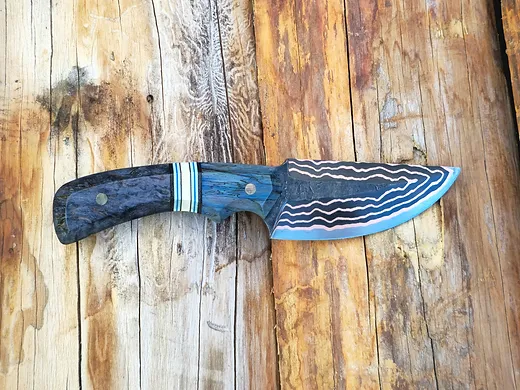
Pattern welding is one of the earliest known methods for producing strong and flexible blades. By layering and twisting different types of iron and steel, blacksmiths created intricate patterns on the blade’s surface while enhancing its performance. This method was widely used by the Celts, Vikings, and other early European cultures. The resulting blades were not only functional but also visually striking, often regarded as status symbols.
Damascus Steel: The Legendary Blade
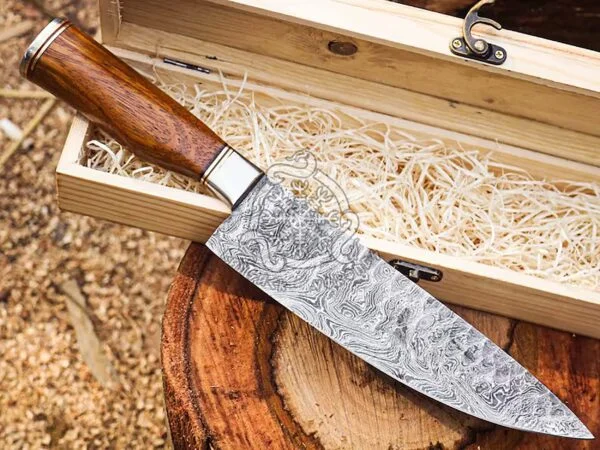
Perhaps the most famous of all ancient blades, Damascus steel knives were prized for their unique wavy patterns and exceptional cutting ability. The technique involved forging together different types of steel and iron, then folding and hammering them repeatedly. The precise methods used to create true Damascus steel have been lost to history, but modern smiths continue to experiment with similar processes to replicate its legendary qualities. These blades were highly sought after in the Middle East, India, and beyond, becoming synonymous with superior craftsmanship.
Japanese Sword and Knife Crafting
In Japan, the art of forging blades reached new heights with the development of techniques such as folded steel and differential hardening. Japanese smiths would fold the steel multiple times to create a blade with a hard, sharp edge and a resilient spine. The process of clay tempering allowed for the creation of the distinctive hamon (temper line), which not only added to the blade’s beauty but also improved its functionality. These methods were used not only for swords but also for kitchen knives, reflecting the importance of blades in Japanese culture.
Core Steps in Traditional Blade Forging
Despite regional differences, most ancient forging processes shared a few essential steps. Here’s a simplified overview of how a blade was traditionally made:
- Heating: The smith would heat the metal in a forge until it became malleable.
- Hammering: The hot metal was hammered on an anvil to shape the blade and remove impurities.
- Folding: In advanced techniques, the metal was folded and hammered repeatedly to improve strength and consistency.
- Quenching: The shaped blade was rapidly cooled in water or oil to harden the steel.
- Tempering: The blade was reheated at a lower temperature to reduce brittleness and increase toughness.
- Finishing: The smith would grind, polish, and sharpen the blade, often adding decorative elements or engravings.
These steps required not only technical skill but also a deep understanding of materials and heat treatment. The success of each blade depended on the smith’s experience and intuition, as well as the quality of the raw materials.
Materials Used in Early Knife Making
The choice of materials played a crucial role in the effectiveness of ancient blades. Early knives were made from copper, bronze, and eventually iron. The introduction of carbon into iron, whether intentionally or accidentally, led to the creation of steel—a material that transformed blade making forever. Steel offered a balance of hardness and flexibility that was ideal for cutting tools.
Different cultures developed unique steel recipes, often closely guarded secrets. For example, the production of Wootz steel in India and the crucible steel methods in Central Asia contributed to the reputation of these regions for producing exceptional blades. The ability to control carbon content and impurities determined the quality and reputation of a smith’s work.
Impact and Legacy of Ancient Forging Methods
The influence of early knife making traditions can still be seen in modern bladesmithing. Many contemporary artisans draw inspiration from historical processes, combining them with new technologies to create knives that honor the past while meeting today’s standards. The legacy of these ancient methods is evident in the continued appreciation for hand-forged blades and the ongoing quest for the perfect knife.
Collectors and chefs alike seek out blades made using traditional techniques, valuing their unique appearance, performance, and connection to history. Whether for practical use or as works of art, these knives represent the enduring appeal of craftsmanship and the human drive to innovate.
Frequently Asked Questions
What is the main difference between ancient and modern knife forging?
Ancient forging relied on manual labor, traditional tools, and natural materials, while modern methods often use advanced machinery, precise temperature controls, and engineered alloys. However, many modern bladesmiths still use time-honored techniques to achieve specific qualities in their knives.
Why was steel such an important development in knife making?
Steel’s combination of hardness, flexibility, and edge retention made it far superior to copper or bronze. The ability to control carbon content allowed smiths to produce blades that were both sharp and durable, revolutionizing tool and weapon making.
Are traditional knife forging techniques still used today?
Yes, many artisans and blacksmiths continue to use ancient methods, especially for custom or high-end knives. These techniques are valued for their craftsmanship, unique aesthetics, and the superior performance of the resulting blades.