The pursuit of the sharpest edge has fascinated people for thousands of years. From ancient obsidian blades to modern ceramic knives, the evolution of cutting tools reflects both technological progress and the enduring human need for precision. Understanding the differences between these two remarkable materials offers insight into craftsmanship, science, and the ongoing quest for the ultimate cutting edge.
In this guide, we’ll explore the origins, properties, and uses of both ceramic knives and obsidian blades. Whether you’re a culinary enthusiast, a history buff, or simply curious about the sharpest tools ever made, you’ll discover how these materials compare and why they continue to capture our imagination.
For a deeper dive into the science and practical uses of these materials, you can find additional details in resources such as everything you need to know about ceramic knives.
The Origins of Obsidian Blades
Obsidian, a naturally occurring volcanic glass, has been used for toolmaking since prehistoric times. Early humans discovered that when fractured, obsidian produces edges far sharper than those made from flint or metal. Archaeological evidence shows that obsidian blades were crafted as early as 700,000 years ago, with their use spanning cultures from the ancient Near East to the Americas.
What makes obsidian so unique is its ability to fracture along extremely fine lines, creating a cutting edge that can be just a few nanometers thick. This property made obsidian blades invaluable for tasks requiring precision, such as hunting, food preparation, and even early forms of surgery.
Modern Ceramic Knives: Innovation in the Kitchen
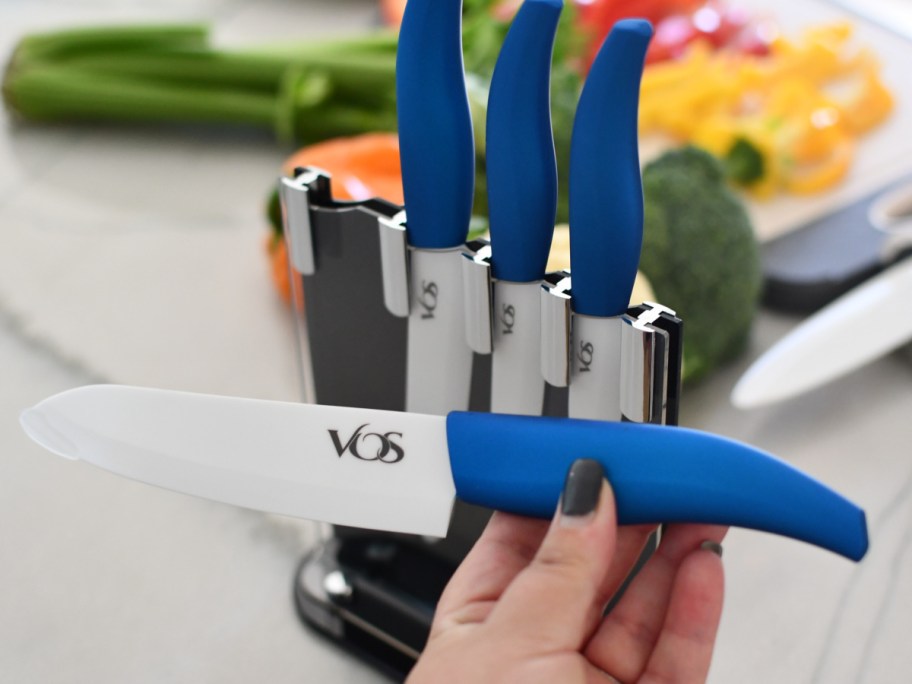
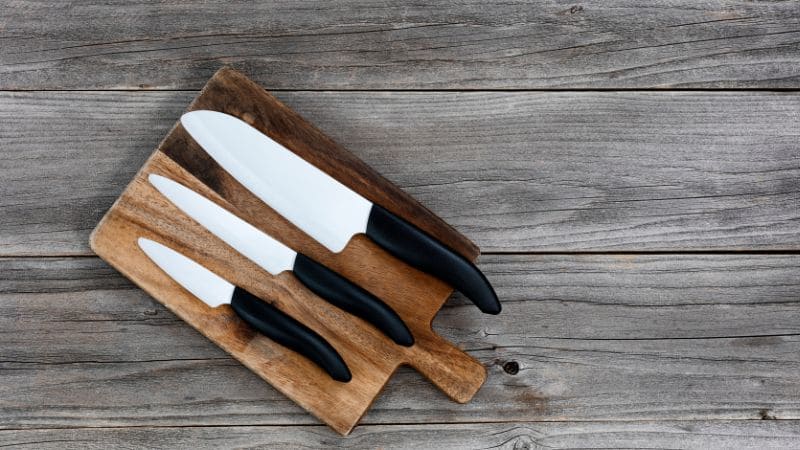
While obsidian blades are rooted in ancient history, ceramic knives represent a more recent innovation. Developed in the late 20th century, these knives are made from zirconium dioxide, a material that is sintered at high temperatures to achieve remarkable hardness. The resulting blades are lightweight, resistant to corrosion, and capable of maintaining a razor-sharp edge for extended periods.
Ceramic knives have become popular in both professional and home kitchens due to their ability to slice through fruits, vegetables, and boneless meats with minimal effort. Unlike metal knives, they do not react with acidic foods, which helps preserve flavors and prevent discoloration.
Comparing Sharpness: Ceramic Knife vs Obsidian Blade
When it comes to sharpness, both materials have impressive credentials. Obsidian blades are renowned for their microscopic edges, which can be sharper than even the finest steel scalpels. In fact, some surgeons have experimented with obsidian scalpels for ultra-precise incisions, though their fragility limits widespread medical use.
On the other hand, ceramic knives are engineered to maintain a keen edge through repeated use. While not quite as sharp as freshly knapped obsidian, they outperform most steel knives in edge retention and resistance to dulling. The manufacturing process allows for consistent quality, making ceramic blades a reliable choice for everyday tasks.
Durability and Practical Use
Sharpness is only one aspect of a blade’s performance. Durability and practicality are equally important, especially for tools intended for daily use.
- Obsidian blades are extremely brittle. While they can achieve unmatched sharpness, they are prone to chipping and breaking under pressure. This limits their use to specialized tasks where precision is more important than strength.
- Ceramic knives are also harder and more brittle than steel, but their engineered structure provides greater resilience than obsidian. They can handle most kitchen tasks, though they should not be used to cut bone, frozen foods, or hard objects, as this can cause chips or cracks.
Both types of blades require careful handling and proper storage to maintain their edges and prevent damage.
Maintenance and Care
Proper maintenance extends the life of any cutting tool. Ceramic knives require minimal sharpening due to their hardness, but when they do need attention, specialized diamond sharpeners are necessary. Cleaning is simple—just rinse and dry after use, avoiding dishwashers which can cause accidental chipping.
Obsidian blades, often used for display or ceremonial purposes today, require even more delicate care. They should be handled with gloves to prevent oils from dulling the edge and stored in protective cases to avoid accidental breakage.
Historical and Cultural Significance
The story of obsidian blades is intertwined with the development of early civilizations. These tools played a vital role in hunting, food preparation, and ritual practices. In some cultures, obsidian was considered a precious material, traded across vast distances and used in offerings to deities.
Ceramic knives, while lacking the ancient mystique of obsidian, symbolize the intersection of science and craftsmanship. Their rise in popularity reflects changing attitudes toward kitchen tools, with an emphasis on hygiene, efficiency, and innovation.
Choosing the Right Tool for the Job
Deciding between a ceramic knife and an obsidian blade depends on your needs. For most culinary applications, ceramic knives offer a practical blend of sharpness, durability, and ease of maintenance. They are ideal for slicing fruits, vegetables, and boneless proteins with minimal effort.
Obsidian blades, on the other hand, are best appreciated for their historical significance and unparalleled sharpness in specialized settings. Collectors, archaeologists, and enthusiasts value them for their craftsmanship and connection to ancient traditions.
Frequently Asked Questions
How does the sharpness of ceramic knives compare to obsidian blades?
Obsidian blades can achieve a sharper edge than ceramic knives due to their ability to fracture at the molecular level. However, ceramic knives maintain their sharpness longer and are more practical for everyday use in the kitchen.
Are ceramic knives or obsidian blades more durable?
Ceramic knives are generally more durable than obsidian blades, though both are more brittle than steel. Ceramic blades can handle most kitchen tasks but should not be used on hard materials. Obsidian is extremely sharp but prone to chipping and breaking, making it less suitable for regular use.
What are the best uses for each type of blade?
Ceramic knives excel at slicing fruits, vegetables, and boneless meats, offering a clean cut and easy maintenance. Obsidian blades are valued for their historical significance and are sometimes used in specialized surgical procedures or as collectible artifacts.
Conclusion
The comparison between ceramic knives and obsidian blades highlights the remarkable journey of human ingenuity in the quest for sharpness. Each material tells a story—obsidian of ancient innovation and ceremonial importance, ceramic of modern engineering and culinary excellence. By understanding their unique properties and histories, we gain a deeper appreciation for the tools that shape our daily lives and connect us to our shared past.