Ceramic knives have become popular in kitchens around the world for their sharpness and resistance to rust. However, one of their defining characteristics is their brittleness. Understanding the limits of these blades is essential for anyone who wants to use them safely and effectively. This guide explores practical ways to assess the fragility of ceramic knives, why it matters, and what you can do to avoid accidental damage.
Before diving into testing methods, it’s important to know that ceramic blades are made from zirconium dioxide, a material much harder than steel but also more prone to chipping or breaking under certain conditions. If you’re considering the pros and cons of ceramic versus steel, you might find this detailed comparison of ceramic and steel knives helpful for broader context.
Why Brittleness Matters in Ceramic Blades
Unlike traditional steel knives, ceramic blades are extremely hard but lack flexibility. This means they can maintain a sharp edge for a long time, but they’re also more likely to chip or snap if dropped or twisted. Recognizing the limits of ceramic knives is crucial to prevent accidents and prolong their lifespan.
When testing the fragility of these blades, the goal is not to break them, but to understand their tolerance to everyday kitchen tasks. Knowing how to handle and care for them will help you avoid common pitfalls that lead to breakage.
Key Methods for Assessing Ceramic Knife Fragility
There are several safe and effective ways to evaluate how much stress a ceramic knife can handle. Here are the most practical approaches for home cooks and professionals alike:
Visual Inspection for Micro-Cracks and Chips
Start by examining the blade under good lighting. Look for any visible chips, cracks, or irregularities along the edge and surface. Even small imperfections can be early signs of brittleness or previous damage. Run your finger gently (with caution) along the edge to feel for rough spots, but never apply force.
Controlled Cutting Tests
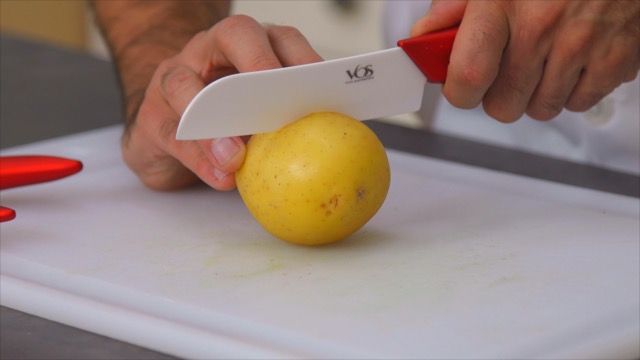
To gauge the resilience of a ceramic knife, try slicing through various foods with different densities. Begin with soft produce like tomatoes or lettuce, then move to harder vegetables such as carrots. Avoid bones or frozen foods, as these are likely to exceed the blade’s limits and cause chipping. If the knife struggles or you hear a snapping sound, stop immediately—these are signs that the blade is under too much stress.
Gentle Flex and Torsion Checks
While ceramic blades should never be bent or twisted forcefully, you can perform a gentle flex test by pressing the blade lightly against a cutting board. Apply minimal pressure to see if the blade feels stable or if there’s any give. Any noticeable flex or sound may indicate a weakness or flaw. Never attempt to bend the blade beyond a slight pressure, as this will almost certainly result in breakage.
Common Mistakes That Expose Brittleness
Many users unintentionally damage their ceramic knives by misusing them. Here are some frequent errors to avoid:
- Using the blade to pry or twist—Ceramic is not designed for lateral force.
- Cutting hard or frozen items—Bones, seeds, and frozen foods can chip or snap the edge.
- Dropping the knife—Even a short fall onto a hard surface can cause cracks or complete breakage.
- Improper storage—Storing ceramic knives loose in a drawer increases the risk of accidental knocks and chips.
Comparing Brittleness: Ceramic vs. Steel Knives
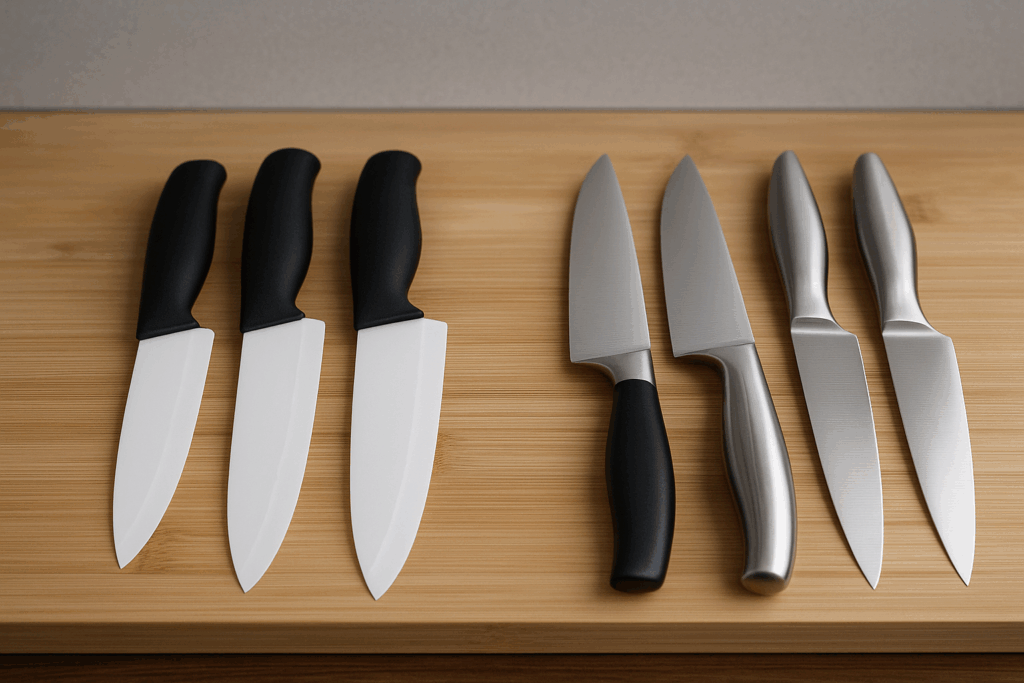
Understanding how ceramic knives differ from their steel counterparts helps put their fragility in perspective. Steel knives are generally more forgiving—they can bend slightly and are less likely to chip from minor impacts. Ceramic, on the other hand, is much harder but far less ductile. This means that while ceramic blades stay sharp longer, they require more careful handling.
For a deeper dive into the strengths and weaknesses of both materials, check out this comprehensive ceramic versus steel knife guide.
Best Practices for Safe Testing and Everyday Use
To minimize the risk of damaging your ceramic knife during testing or regular use, follow these tips:
- Always use a wooden or plastic cutting board to reduce impact stress.
- Clean the blade by hand with mild soap and avoid abrasive scrubbers.
- Store the knife in a sheath or on a magnetic strip to prevent accidental knocks.
- Never use ceramic blades for tasks like boning, prying, or cutting frozen foods.
By following these guidelines, you can safely assess the limits of your ceramic knife and enjoy its benefits for years to come.
How to Recognize When a Ceramic Knife Is Too Brittle
Some signs indicate that a ceramic blade has reached the end of its safe lifespan. Watch for the following:
- Visible cracks or chips along the edge or spine
- Difficulty slicing through soft foods
- Unusual sounds (snapping, cracking) during use
- Loss of sharpness that cannot be restored with a ceramic honing rod
If you notice any of these issues, it’s best to retire the blade to avoid injury or further damage.
FAQ: Ceramic Knife Brittleness and Testing
What makes ceramic knives more brittle than steel knives?
Ceramic blades are made from zirconium dioxide, which is much harder than steel but also more rigid. This lack of flexibility means they can chip or break under stress that a steel blade would withstand.
Can I repair a chipped ceramic knife?
Minor chips can sometimes be smoothed out by a professional with specialized equipment, but most ceramic knives cannot be repaired at home. Significant chips or cracks usually mean the blade should be replaced.
Is it safe to test ceramic knife brittleness at home?
Yes, as long as you use gentle, controlled methods like visual inspection and careful cutting tests. Avoid any forceful bending, prying, or impact testing, as these can cause the blade to shatter and pose a safety risk.
How should I store my ceramic knives to prevent accidental damage?
Store ceramic knives in a protective sheath, on a magnetic strip, or in a dedicated knife block. Avoid tossing them in a drawer with other utensils, as this increases the risk of chips and cracks.
Understanding the unique properties of ceramic knives allows you to test their brittleness safely and use them with confidence. By following the practical steps outlined here, you can maximize the lifespan of your blade and enjoy its sharpness in everyday cooking.