Keeping your kitchen knives in top condition is essential for safe and efficient food preparation. However, even experienced home cooks and professionals can fall into bad habits that shorten the lifespan of their blades or compromise their performance. Understanding the most frequent knife maintenance mistakes helps you protect your investment and ensures every cut is smooth and precise.
Whether you’re a culinary enthusiast or just want to keep your tools sharp and safe, this article highlights the most common pitfalls in caring for knives, with practical advice on what to do instead. For those interested in exploring more hands-on sharpening techniques, you can find step-by-step instructions in this comprehensive knife sharpening guide.
Neglecting Regular Cleaning and Drying
One of the most overlooked aspects of blade care is simply keeping knives clean and dry. Leaving food residue on the blade or allowing moisture to linger can lead to rust, corrosion, and even pitting—especially on high-carbon steel knives. Many people make the mistake of tossing their knives in the sink or dishwasher, thinking a quick wash later will suffice.
- Hand wash your knives immediately after use with mild soap and warm water.
- Dry thoroughly with a towel—never air dry, as water spots and rust can form quickly.
- Avoid soaking knives or leaving them in damp environments.
Regular cleaning not only preserves the blade but also maintains hygiene, preventing cross-contamination in the kitchen.
Improper Sharpening Techniques
Maintaining a sharp edge is crucial for both safety and performance. However, many users either neglect sharpening altogether or use the wrong methods, which can damage the blade. Common knife maintenance mistakes in sharpening include using the incorrect angle, applying too much pressure, or relying solely on pull-through sharpeners.
To avoid these issues:
- Use a whetstone or a quality honing rod for regular maintenance.
- Maintain the correct angle (typically 15–20 degrees, depending on the knife type).
- Sharpen both sides of the blade evenly to prevent uneven wear.
- Clean the blade after sharpening to remove any metal filings.
For those new to sharpening, following a detailed sharpening tutorial can help develop the right technique and avoid damaging your knives.
Storing Knives Incorrectly
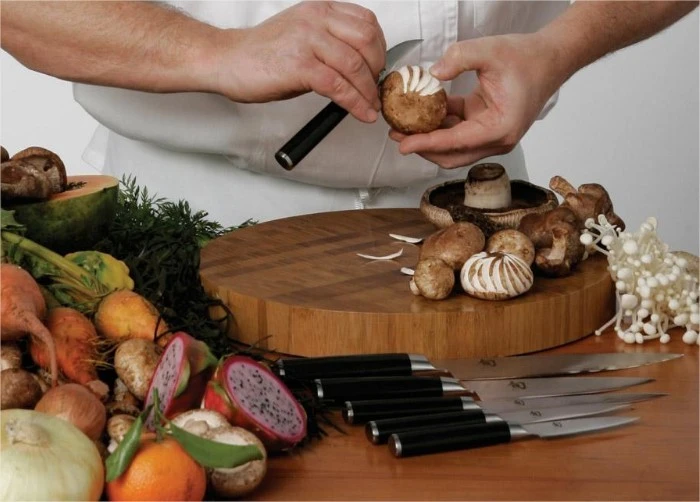
How you store your knives has a direct impact on their longevity and sharpness. Tossing them in a drawer with other utensils is a frequent error that leads to dull edges, chips, and even accidents. Proper storage is a key element in avoiding knife maintenance mistakes.
- Use a knife block, magnetic strip, or blade guard to keep knives separated and protected.
- Avoid storing knives loosely in drawers, where they can knock against other objects.
- Ensure knives are completely dry before storing to prevent rust.
Organized storage not only preserves the blade but also keeps your kitchen safer and more efficient.
Using Knives on the Wrong Cutting Surface
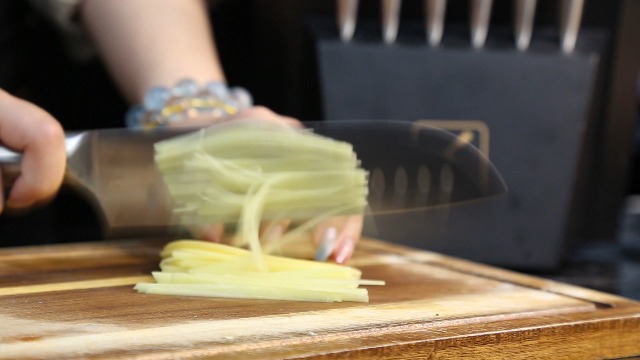
The type of cutting board you use can significantly affect the sharpness and durability of your knives. Hard surfaces like glass, ceramic, or stone quickly dull blades and can even cause chipping. This is a frequent oversight in everyday kitchen routines.
- Opt for wood or high-quality plastic cutting boards, which are gentler on the blade.
- Avoid cutting on plates, countertops, or other hard surfaces.
- Replace deeply scored boards, as grooves can harbor bacteria and damage knife edges.
Choosing the right cutting surface is a simple yet effective way to extend the life of your kitchen tools.
Ignoring Signs of Damage or Wear
Small chips, bent tips, or loose handles may seem minor, but ignoring these issues can lead to bigger problems and even safety hazards. Regularly inspect your knives for signs of wear and address them promptly.
- Sharpen or repair chipped blades as soon as possible.
- Tighten or replace loose handles to prevent accidents.
- Retire knives that are beyond repair to maintain safety in the kitchen.
Frequently Asked Questions
How often should I sharpen my kitchen knives?
The frequency depends on usage, but most home cooks benefit from honing their knives every few uses and sharpening them every few months. If you notice your knife struggling to cut through tomatoes or herbs, it’s time to sharpen.
Can I put my knives in the dishwasher?
It’s best to avoid dishwashers for knife cleaning. The high heat, harsh detergents, and jostling can dull blades and damage handles. Always hand wash and dry your knives immediately after use.
What’s the safest way to store knives?
Store knives in a dedicated knife block, on a magnetic strip, or with blade guards in a drawer. This prevents dulling and reduces the risk of accidental cuts when reaching for a tool.
Why is it important to use the right cutting board?
Hard surfaces like glass or stone can quickly dull or chip your knife’s edge. Using a wood or plastic board helps maintain sharpness and extends the life of your knives.
Where can I learn more about proper sharpening techniques?
For detailed instructions and tips, check out this step-by-step knife sharpening resource.