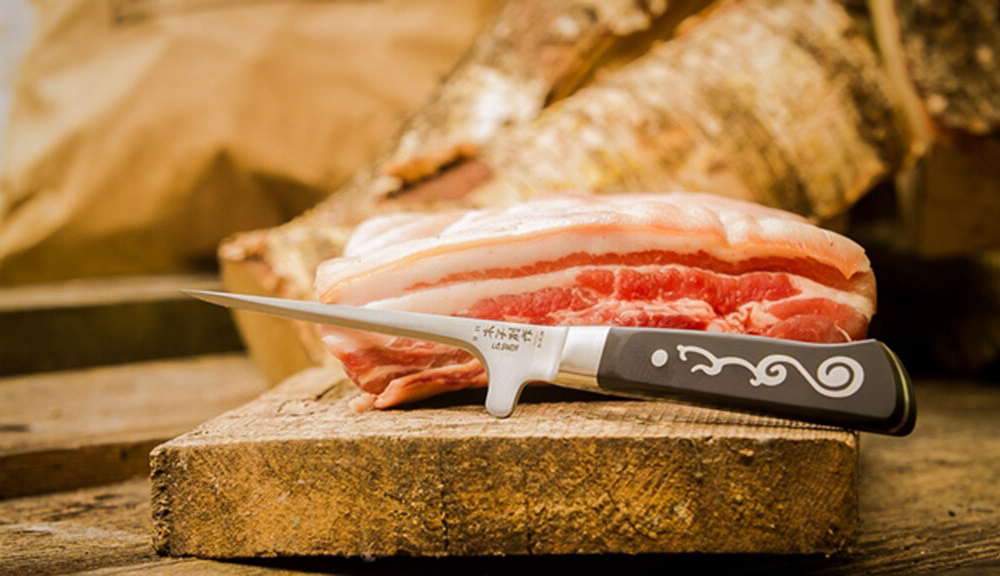
Learning to prepare meat or fish at home can be much easier with the right tools, and a boning knife for beginners is one of the most essential pieces of kitchen equipment for anyone starting out. These specialized knives are designed to help you separate meat from bone with precision, making tasks like trimming fat, deboning poultry, or filleting fish more manageable and less intimidating for those new to the process.
Choosing the right starter boning knife can make a big difference in your confidence and results. With so many options on the market, it’s important to understand what features matter most for ease of use, safety, and effective performance. In this article, you’ll find practical advice on what to look for, how to use these knives safely, and which models are especially well-suited for those just getting started.
For a more in-depth perspective on selecting, using, and maintaining these knives, you can check out this complete guide to boning knives that covers care and technique in detail.
What Makes a Good Starter Boning Knife?
When searching for a boning knife for beginners, there are several features that can help make your first experiences safer and more successful. Here are some key aspects to consider:
- Blade Flexibility: Flexible blades are easier to maneuver around bones and joints, which is ideal for those still learning proper technique.
- Blade Length: A blade between 5 and 6 inches is generally easiest for new users to control, offering enough length for most tasks without feeling unwieldy.
- Comfortable Handle: Look for ergonomic, non-slip handles that provide a secure grip even when your hands are wet or greasy.
- Sharpness: A sharp blade is safer and more effective, as it requires less force and reduces the risk of slipping.
- Weight and Balance: Lightweight knives with good balance help reduce fatigue and improve accuracy, especially for those new to meat preparation.
Types of Boning Knives Suitable for New Users
Not all boning knives are created equal, and some styles are better suited for those just starting out. Here are the main types you’ll encounter:
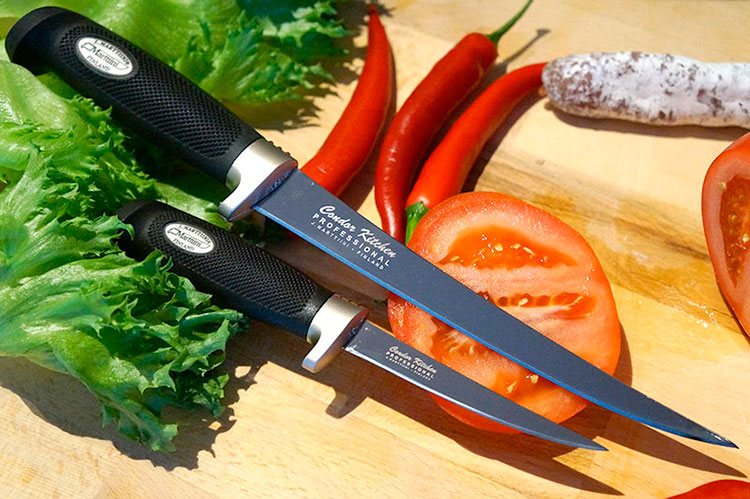
- Flexible Boning Knives: These have thin, bendable blades that make it easier to work around bones and cartilage. They’re ideal for poultry and fish.
- Semi-Flexible Boning Knives: Offering a balance between flexibility and rigidity, these are versatile and can handle a variety of meats.
- Stiff Boning Knives: With a more rigid blade, these are better for larger cuts of meat or tougher jobs, but may be less forgiving for beginners.
For those just getting started, a flexible or semi-flexible model is usually the best choice. These allow you to learn proper technique without struggling against a stiff blade.

Recommended Boning Knives for Beginners
If you’re looking for specific models that are easy to use and highly rated by both professionals and home cooks, consider the following options:
- Victorinox 6-Inch Flexible Boning Knife: Known for its sharpness and comfortable handle, this knife is a favorite among culinary schools and is widely recommended for those new to meat prep.
- Henckels Classic 5.5-Inch Boning Knife: This model offers a semi-flexible blade and a balanced feel, making it suitable for a range of tasks and skill levels.
- Mercer Culinary Millennia 6-Inch: With its ergonomic handle and affordable price, this knife is a solid choice for anyone just starting out.
Each of these knives features the qualities that make learning easier: sharp, flexible blades, comfortable grips, and manageable sizes.
How to Use a Boning Knife Safely and Effectively
Mastering the use of a boning knife for beginners involves more than just having the right tool. Proper technique and safety are crucial for getting the best results and avoiding injury.
- Keep the Blade Sharp: A dull knife is more dangerous than a sharp one, as it requires more force and is more likely to slip.
- Use a Stable Cutting Surface: Always work on a non-slip cutting board to prevent accidents.
- Grip the Handle Firmly: Hold the knife with a secure grip, keeping your fingers away from the blade’s path.
- Work Slowly and Deliberately: Take your time, especially when learning. Let the knife do the work, using gentle, controlled motions.
- Follow the Bone: Use the tip of the blade to trace along the bone, separating meat with minimal waste.
Practicing these habits will help you gain confidence and improve your results with each use.
Care and Maintenance Tips for Longevity
Taking care of your boning knife ensures it remains sharp, safe, and effective for years to come. Here are some simple maintenance tips:
- Hand Wash Only: Avoid the dishwasher, as harsh detergents and high heat can damage the blade and handle.
- Dry Immediately: Prevent rust and corrosion by drying your knife right after washing.
- Store Safely: Use a knife guard, sheath, or dedicated slot in a knife block to protect the blade and your fingers.
- Sharpen Regularly: Use a honing rod or whetstone to maintain the edge. Even the best knives need regular sharpening.
For more detailed maintenance advice, refer to the comprehensive boning knife care guide.
Frequently Asked Questions
What is the difference between a boning knife and a fillet knife?
While both knives are designed for separating meat from bone, a boning knife typically has a slightly thicker, stiffer blade for working around joints and bones in meat and poultry. Fillet knives are usually thinner and more flexible, making them ideal for delicate tasks like removing skin from fish.
How do I choose the right boning knife as a beginner?
Look for a knife with a flexible or semi-flexible blade, a comfortable and non-slip handle, and a manageable blade length (around 5–6 inches). Lightweight, well-balanced models are easier to control and safer for new users.
Can I use a boning knife for vegetables or other kitchen tasks?
While it’s possible to use this type of knife for some vegetable prep, it’s not ideal. The blade is designed for precision work around bones and joints, so for most vegetable tasks, a chef’s knife or paring knife will be more efficient and safer.
How often should I sharpen my boning knife?
Frequency depends on use, but as a general rule, hone your knife after every few uses and sharpen it with a whetstone or professional service every few months or when you notice it becoming less effective.