Choosing the right boning knife blade types can make a significant difference in your kitchen, especially when preparing meat, poultry, or fish. Whether you’re a home cook or a professional chef, understanding the differences between flexible and stiff blades will help you select the best tool for your needs. In this article, we’ll break down the key features, uses, and advantages of each blade style, so you can make an informed decision for your next culinary project.
For those interested in exploring the distinctions between boning and filleting knives, you may find this in-depth comparison of boning and filleting knives helpful as well.

Understanding the Main Boning Knife Blade Types
Boning knives are specifically designed to separate meat from bone with precision and minimal waste. The two primary blade types—flexible and stiff—each offer unique benefits for different tasks. Let’s explore what sets them apart and when to use each one.
Flexible Blades: Precision and Finesse
A flexible boning knife features a thinner, more pliable blade that bends easily. This flexibility allows for greater control when working around bones, joints, and delicate tissues. The design is especially useful for:
- Filleting fish, where the blade needs to follow the contours of the bones
- Removing skin from poultry or fish
- Trimming fat and silver skin from cuts of meat
The ability to maneuver the blade closely along bones and under membranes helps minimize waste and ensures clean cuts. Flexible blades are favored by chefs who frequently prepare fish or poultry, as they allow for detailed, careful work.
Stiff Blades: Power and Stability
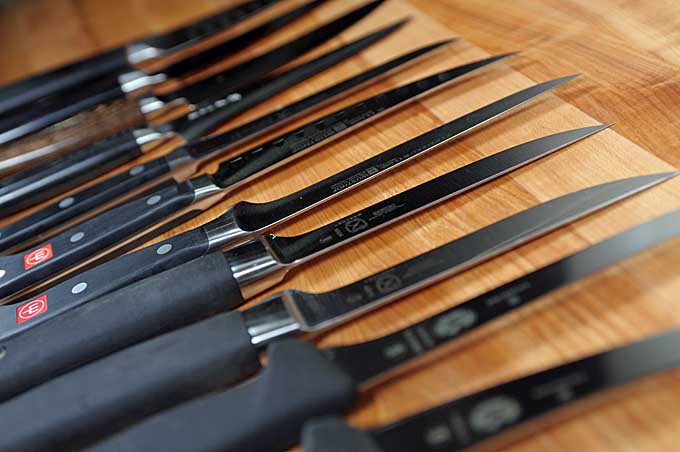
In contrast, a stiff boning knife has a thicker, more rigid blade that maintains its shape under pressure. This sturdiness is ideal for tasks that require force or involve larger cuts of meat, such as:
- Breaking down beef, pork, or lamb
- Cutting through cartilage and small bones
- Removing large sections of meat from the bone
The lack of flexibility provides stability and leverage, making it easier to work with tougher proteins. Stiff blades are less likely to slip, which can be important for safety and efficiency when dealing with dense or thick cuts.
Key Differences Between Flexible and Stiff Boning Knives
When comparing these two boning knife blade types, several factors come into play:
| Feature | Flexible Blade | Stiff Blade |
|---|---|---|
| Blade Thickness | Thin and pliable | Thicker and rigid |
| Best For | Fish, poultry, delicate trimming | Red meat, large cuts, tough jobs |
| Control | High precision, follows contours | Stable, powerful cuts |
| Flexibility | Bends easily | Maintains shape |
| Risk of Slipping | Higher if used incorrectly | Lower due to rigidity |
How to Choose the Right Boning Knife for Your Needs
Selecting between flexible and stiff blades depends on the types of food you prepare most often. Here are some considerations to help you decide:
- Frequent fish or poultry preparation: Opt for a flexible blade to achieve clean, precise cuts and minimize waste.
- Working with large cuts of red meat: A stiff blade will give you the power and control needed for tougher jobs.
- Versatility: Some cooks prefer to have both types on hand, switching between them as needed for different proteins and tasks.
- Comfort and grip: Regardless of blade type, choose a handle that feels secure and comfortable in your hand for safe, effective use.
Maintaining Your Boning Knife for Optimal Performance
Proper care extends the life and sharpness of your boning knife, regardless of blade type. Here are a few maintenance tips:
- Hand wash and dry your knife immediately after use to prevent rust and corrosion.
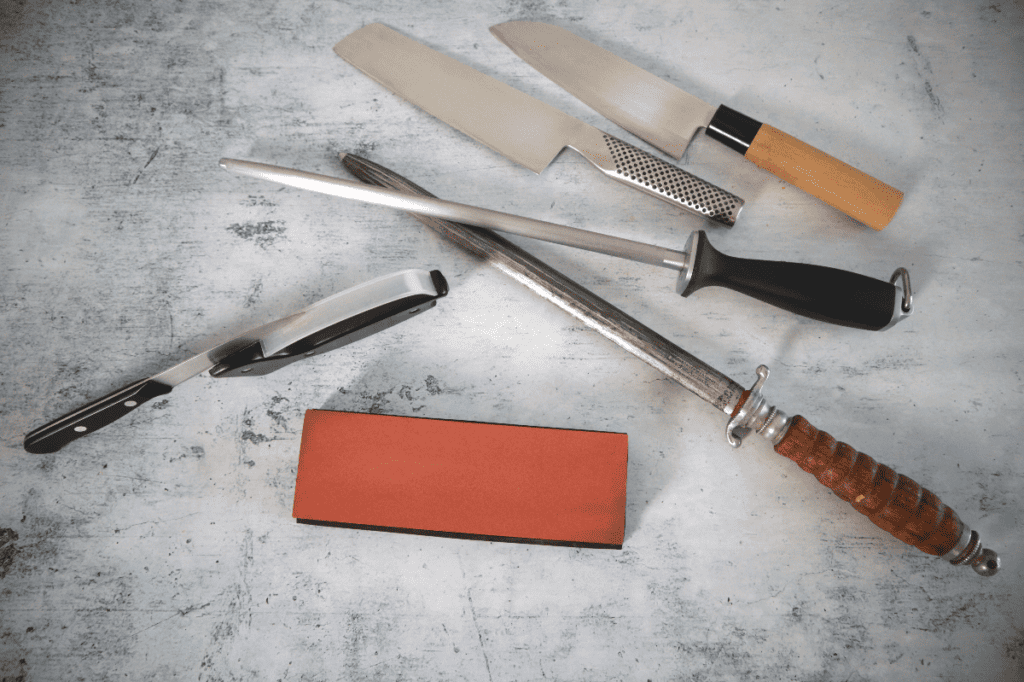
- Regularly hone the blade to maintain its edge and reduce the need for frequent sharpening.
- Store your knife in a protective sheath or knife block to avoid damage.
- Sharpen the blade as needed using a whetstone or professional sharpening service.
Frequently Asked Questions
What is the main advantage of a flexible boning knife?
The primary benefit of a flexible boning knife is its ability to bend and maneuver around bones and joints, making it ideal for filleting fish, skinning poultry, and trimming fat with precision.
When should I use a stiff boning knife?
A stiff boning knife is best suited for tasks that require more force, such as breaking down large cuts of beef or pork, or when cutting through tougher cartilage and small bones.
Can I use one type of boning knife for all tasks?
While it’s possible to use a single boning knife for various jobs, having both flexible and stiff blades allows you to handle a wider range of proteins and cutting techniques more effectively.
How do I keep my boning knife sharp?
Regular honing, careful hand washing, and periodic sharpening with a whetstone or professional service will help maintain your knife’s edge and performance.