In any professional kitchen, the right tools make all the difference. Among the essential knives for chefs and butchers, a boning knife for restaurant kitchen tasks stands out for its precision and versatility. Whether breaking down poultry, trimming fat from beef, or filleting fish, this specialized blade is crucial for efficient and safe meat preparation.
Choosing the right boning knife can impact not only the quality of your cuts but also the speed and safety of your kitchen staff. With so many options available, understanding what sets a professional-grade boning knife apart is key for anyone outfitting a commercial kitchen.
For a deeper dive into top-rated options and expert advice, check out this comprehensive boning knife buying guide.
Why Every Professional Kitchen Needs a Quality Boning Knife
In a busy restaurant setting, speed and accuracy are vital. A boning knife for restaurant kitchen environments is designed to handle repetitive tasks with ease. Its narrow, flexible blade allows chefs to work close to the bone, reducing waste and improving yield. Unlike general-purpose chef’s knives, boning knives are made for detailed work, making them indispensable for butchery, fish filleting, and poultry processing.
The right boning knife also enhances safety. A blade that glides smoothly along joints and bones minimizes the risk of slips and injuries. For kitchens that process large quantities of meat daily, investing in a specialized knife translates to better efficiency and less fatigue for staff.
Key Features to Look for in a Restaurant Boning Knife
Not all boning knives are created equal. When selecting a tool for commercial use, consider these essential features:
- Blade Material: High-carbon stainless steel resists corrosion and maintains a sharp edge longer, ideal for the demands of restaurant kitchens.
- Blade Flexibility: Flexible blades are perfect for fish and poultry, while stiffer blades offer more control for beef and pork.
- Blade Length: Most professional boning knives range from 5 to 7 inches, balancing maneuverability and cutting power.
- Handle Comfort: Ergonomic, non-slip handles reduce hand fatigue and improve safety during long prep sessions.
- Ease of Maintenance: Dishwasher-safe or easy-to-clean knives are preferred for fast-paced environments.
Types of Boning Knives Used in Commercial Kitchens
There are several variations of boning knives, each suited to specific tasks in a restaurant kitchen:
- Flexible Boning Knife: Ideal for delicate work such as fish filleting and poultry deboning, thanks to its ability to bend around bones.
- Stiff Boning Knife: Best for tougher meats like beef and pork, where more force and control are required.
- Curved Boning Knife: The curved blade makes it easier to make smooth, sweeping cuts, especially around joints and cartilage.
- Straight Boning Knife: Offers precision for straight cuts and trimming fat or sinew from large cuts of meat.
How to Maintain Your Boning Knife for Restaurant Kitchen Efficiency
Proper care extends the life of your boning knife and ensures consistent performance. Here are some best practices for maintenance:
- Hand Wash Only: Even if the knife is labeled dishwasher-safe, hand washing preserves the blade and handle integrity.
- Dry Immediately: Prevent rust and corrosion by drying the knife thoroughly after each use.
- Regular Sharpening: Use a honing rod or sharpening stone to keep the edge razor-sharp. Dull blades are more dangerous and less effective.
- Proper Storage: Store in a knife block, magnetic strip, or blade guard to protect the edge and prevent accidents.
Comparing Boning Knives to Other Kitchen Blades
While a chef’s knife is versatile, it cannot match the precision of a boning knife for meat and fish preparation. The slender, pointed blade of a boning knife allows for intricate cuts and navigating around bones, which is difficult with broader blades. Paring knives, on the other hand, are too small and lack the necessary length and flexibility for boning tasks.
Investing in a dedicated boning knife for restaurant kitchen prep ensures that each cut is clean, safe, and efficient, helping chefs maintain high standards and minimize waste.
Tips for Safe and Effective Boning in a Restaurant Setting
Using a boning knife efficiently requires skill and attention to safety. Here are some practical tips for chefs and kitchen staff:
- Always use a stable, non-slip cutting board to prevent accidents.
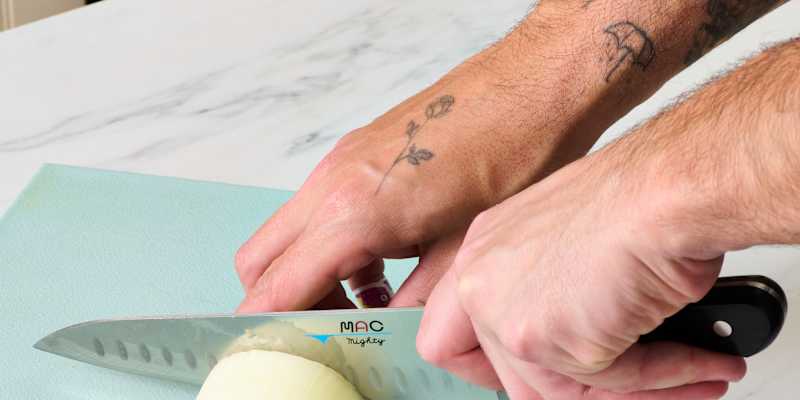
- Keep your fingers away from the blade’s path and use a claw grip for better control.
- Work slowly when learning new techniques, focusing on accuracy over speed.
- Regularly inspect your knife for damage or dullness and address issues promptly.
- Train staff on proper knife handling and maintenance to promote a safe kitchen environment.
Frequently Asked Questions
What makes a boning knife different from a chef’s knife?
A boning knife features a narrower, more flexible blade designed specifically for removing bones and skin from meat and fish. Chef’s knives are broader and better suited for general chopping, slicing, and dicing tasks.
How often should a boning knife be sharpened in a restaurant kitchen?
In high-volume settings, it’s best to hone the blade daily and sharpen it weekly or as soon as it shows signs of dullness. Regular maintenance ensures optimal performance and safety.
Is a flexible or stiff boning knife better for restaurant use?
The choice depends on the primary tasks. Flexible blades are ideal for fish and poultry, while stiffer blades offer more control for red meats. Many kitchens keep both types on hand to handle a variety of proteins efficiently.
Can a boning knife be used for vegetables or general prep?
While possible, boning knives are optimized for meat and fish. For vegetables and general prep, a chef’s knife or paring knife is more suitable due to their shape and cutting style.