Ceramic knives have become increasingly popular in both home and professional kitchens, thanks to their reputation for maintaining a sharp edge far longer than traditional steel blades. Many cooks notice that these lightweight, sleek tools seem to glide through fruits and vegetables with minimal effort, even after months of regular use. But what exactly makes ceramic blades so resilient? Understanding the science and engineering behind these knives helps explain their remarkable longevity and why so many chefs are making the switch.
For those interested in a comprehensive overview of the pros and cons of ceramic kitchen knives, you can explore this detailed comparison of ceramic and steel knives for further insights.
The Science Behind Ceramic Knife Edge Retention
One of the main reasons why ceramic knives stay sharp 10x longer than their steel counterparts is the material itself. Most ceramic blades are made from zirconium dioxide, also known as zirconia. This advanced ceramic is exceptionally hard, ranking about 8.5 on the Mohs scale of mineral hardness, just below diamonds. In contrast, most high-quality steel knives range from 5.5 to 6.5 on the same scale.
This extreme hardness means that ceramic blades are far more resistant to wear and abrasion. When you cut with a ceramic knife, the edge doesn’t roll or deform as easily as steel. As a result, the blade maintains its fine, razor-sharp edge for much longer, even with frequent use.
Material Properties: Hardness and Brittleness
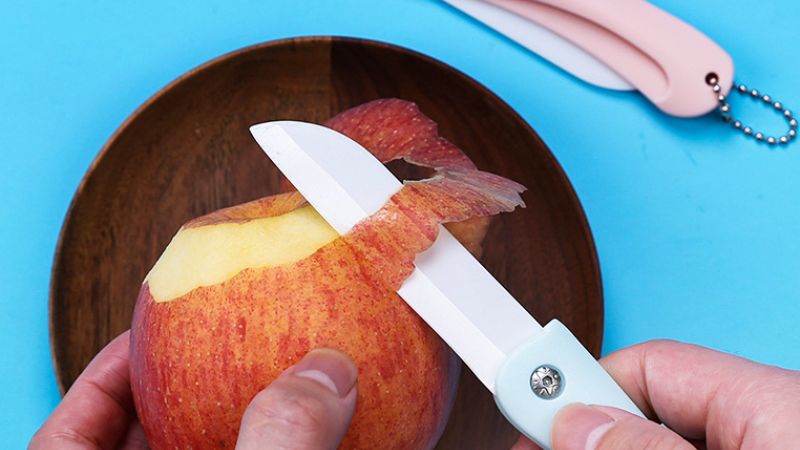
The superior edge retention of ceramic knives is directly tied to their material properties. While ceramic blades are harder than most steels, they are also more brittle. This means they can chip or crack if dropped or used to cut hard substances like bones or frozen foods. However, for slicing fruits, vegetables, and boneless meats, ceramic knives excel at holding a keen edge.
Steel knives, although tough and less likely to break, tend to lose their sharpness faster. The softer metal edge can bend, roll, or become dull with repeated use, especially when cutting on hard surfaces. Regular honing and sharpening are necessary to maintain a steel blade’s performance, while ceramic knives require far less frequent maintenance.
How Ceramic Knives Are Manufactured
The manufacturing process for ceramic knives contributes significantly to their durability. Zirconia powder is pressed into a blade shape and then fired at extremely high temperatures in a process called sintering. This transforms the powder into a dense, solid ceramic that is both hard and lightweight. The blade is then ground and polished with diamond-coated tools to achieve its final sharp edge.
This meticulous process results in a blade that is not only sharp but also highly resistant to corrosion and staining. Unlike steel, ceramic does not react with acidic foods, which helps preserve both the knife and the flavor of the ingredients being cut.
Comparing Edge Retention: Ceramic vs. Steel
When it comes to edge retention, ceramic knives outperform steel by a significant margin. Studies and user experiences consistently show that ceramic blades can remain sharp for months or even years with proper care, while steel knives often need sharpening every few weeks with regular use.
The following table highlights some key differences between the two materials:
| Feature | Ceramic Knives | Steel Knives |
|---|---|---|
| Edge Retention | Extremely long-lasting | Requires frequent sharpening |
| Hardness (Mohs scale) | 8.5 | 5.5–6.5 |
| Corrosion Resistance | Does not rust or stain | Can rust/stain if not cared for |
| Weight | Very light | Heavier |
| Maintenance | Minimal | Regular honing/sharpening |
Everyday Benefits of Using Ceramic Blades
For home cooks and professionals alike, the practical advantages of ceramic knives are clear. The lightweight design reduces hand fatigue during repetitive tasks, and the non-reactive blade ensures that foods retain their natural color and taste. Because ceramic knives maintain their sharpness for extended periods, users spend less time sharpening and more time preparing meals efficiently.
Additionally, the smooth, non-porous surface of ceramic blades makes them easy to clean and less likely to harbor bacteria or odors. This contributes to a more hygienic kitchen environment, especially when preparing fresh produce.
Limitations and Care Tips
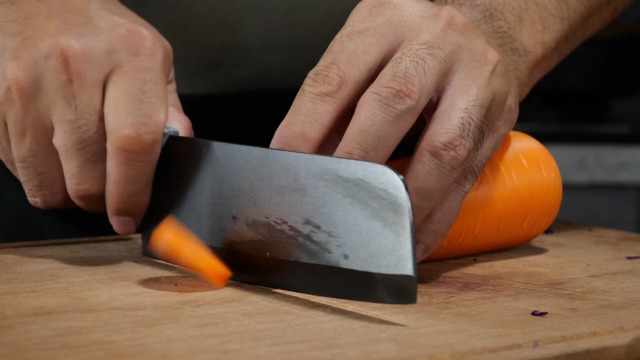
Despite their impressive edge retention, ceramic knives are not suitable for every kitchen task. Their brittleness means they should never be used to cut bones, frozen foods, or hard-skinned squash. Dropping a ceramic knife can also cause chips or cracks in the blade.
To maximize the lifespan of your ceramic knife:
- Use a wooden or plastic cutting board, not glass or stone.
- Hand wash the blade and avoid dishwashers.
- Store the knife in a sheath or on a magnetic strip to prevent accidental damage.
With these precautions, you can enjoy the benefits of a sharp ceramic blade for years.
Frequently Asked Questions
How often do ceramic knives need sharpening?
Because of their hardness, ceramic knives rarely need sharpening under normal use. Many users report that their blades stay sharp for several months or even years. When sharpening is required, it should be done with a diamond sharpener designed for ceramic materials.
Are ceramic knives safe for all types of foods?
Ceramic knives are ideal for slicing fruits, vegetables, and boneless meats. However, they should not be used on hard or frozen foods, as this can cause the blade to chip or break.
Do ceramic knives rust or stain?
No, ceramic blades are completely resistant to rust and staining. Their non-reactive surface also prevents them from transferring metallic tastes or odors to food, making them a hygienic choice for kitchen prep.