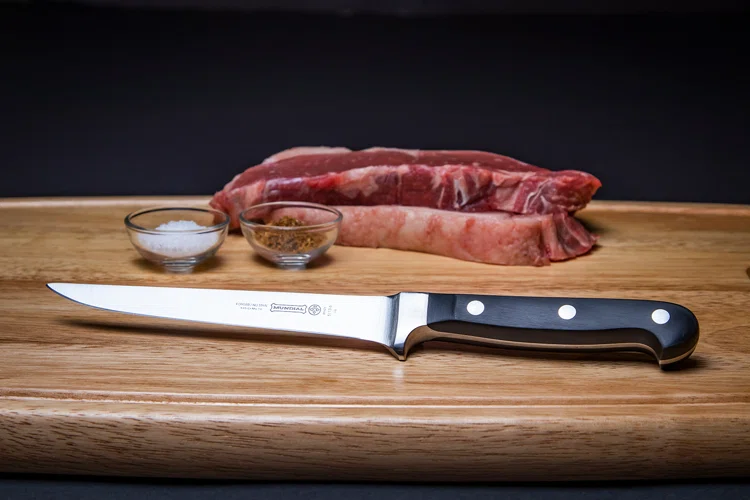
Preparing meat at home with professional results requires the right tools. Among these, a boning knife for breaking down meat stands out as an essential piece of equipment for anyone who wants to portion, trim, or debone cuts efficiently. Whether you’re a home cook looking to save money by buying whole cuts or an aspiring pitmaster, understanding how to select and use this specialized knife can make all the difference in your kitchen routine.
This article explores what sets a boning knife apart, how to choose the best one for your needs, and practical tips for using it safely and effectively. If you’re interested in learning more about the many ways a boning knife can be used in the kitchen, you might find this comprehensive guide on boning knife uses helpful as well.
Why a Dedicated Knife Matters for Meat Preparation
Using a specialized boning knife offers several advantages over general-purpose kitchen knives. The unique design—characterized by a narrow, pointed blade and either a flexible or stiff construction—enables precise cuts close to the bone, reducing waste and improving yield. This is especially important when working with whole chickens, pork shoulders, beef briskets, or fish, where maximizing usable meat is both economical and rewarding.
Unlike chef’s knives or utility blades, a boning knife is engineered to maneuver around joints, cartilage, and connective tissue. This not only makes the process faster but also helps maintain the integrity of the meat, resulting in cleaner cuts and better presentation.
Key Features to Look for in a Boning Knife
Not all knives marketed for meat breakdown are created equal. Here are some important characteristics to consider when selecting the right tool:
- Blade Length: Most boning knives range from 5 to 7 inches. Shorter blades offer more control for poultry and fish, while longer ones excel with larger cuts of beef or pork.
- Flexibility: Flexible blades are ideal for delicate tasks like filleting fish or removing skin, while stiffer blades provide leverage for tougher jobs such as separating ribs or trimming fat caps.
- Blade Shape: A curved blade helps follow the contours of bones, making it easier to extract meat with minimal waste.
- Handle Comfort: Look for a handle that feels secure and comfortable, especially if you’ll be working with slippery or wet hands.
- Material: High-carbon stainless steel blades resist corrosion and hold a sharp edge, which is crucial for clean, safe cuts.
How to Use a Boning Knife for Breaking Down Meat
Mastering the use of a boning knife for breaking down meat involves more than just having the right blade. Proper technique ensures safety, efficiency, and the best possible results.
- Start with a Sharp Blade: A dull knife increases the risk of slips and accidents. Always sharpen your knife before use.
- Stabilize Your Work Surface: Use a sturdy cutting board and ensure it doesn’t slide during use.
- Grip the Knife Correctly: Hold the handle firmly, with your index finger resting along the spine for control.
- Follow the Bone: Use the tip of the blade to trace along bones and joints, applying gentle pressure to separate meat without tearing.
- Work in Sections: Break down large cuts into manageable pieces, removing connective tissue and excess fat as you go.
Types of Boning Knives and Their Uses
There are several variations of boning knives, each suited to different tasks:
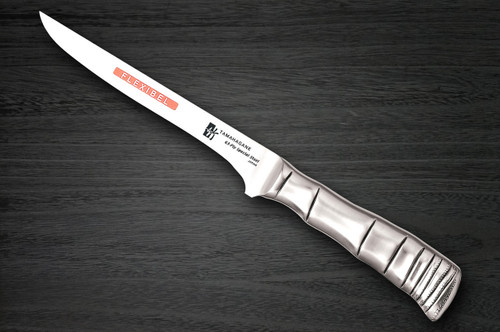
- Flexible Boning Knives: Best for fish and poultry, these allow for delicate, precise cuts and are excellent for removing skin or filleting.
- Stiff Boning Knives: Designed for beef, pork, and lamb, the rigid blade provides the strength needed to cut through tougher tissue and cartilage.
- Curved Blades: The curve helps glide along bones and joints, making it easier to separate meat cleanly.
- Straight Blades: Offer more control for straight cuts, such as portioning steaks or trimming fat.
Choosing the right type depends on the kinds of proteins you work with most often. Many professionals keep both flexible and stiff options on hand for versatility.
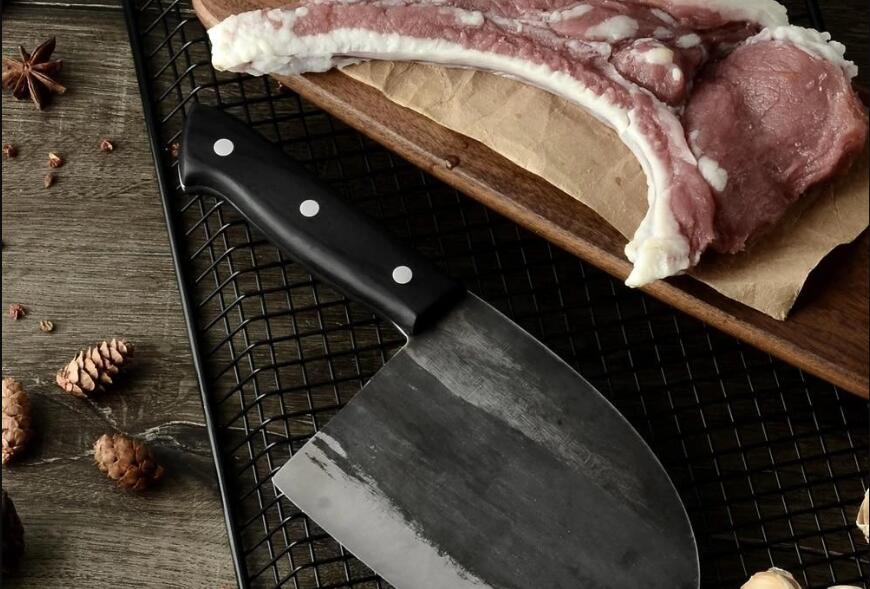
Care and Maintenance for Your Meat Processing Knife
To keep your boning knife in top condition, regular maintenance is essential. Always wash the blade by hand with mild soap and dry it immediately to prevent rust. Avoid putting it in the dishwasher, as high heat and detergents can damage the blade and handle.
Sharpen the knife regularly using a whetstone or honing rod. A sharp blade not only makes the job easier but also reduces the risk of injury. Store your knife in a protective sheath or on a magnetic strip to keep the edge safe and prevent accidents.
Common Mistakes When Using a Boning Knife
Even experienced cooks can make errors when working with meat. Here are some pitfalls to avoid:
- Using the Wrong Knife: Attempting to break down meat with a chef’s knife or paring knife can lead to poor results and increased risk of injury.
- Applying Excessive Force: Let the sharpness and shape of the blade do the work. Forcing the knife can cause slips or damage the meat.
- Neglecting Safety: Always cut away from your body and keep your non-cutting hand clear of the blade’s path.
- Improper Storage: Leaving the knife loose in a drawer can dull the blade and create a safety hazard.
FAQ
What makes a boning knife different from a fillet knife?
While both knives are designed for precision work, a boning knife typically has a stiffer blade for separating meat from bone, while a fillet knife is more flexible and thinner, making it ideal for removing skin and bones from fish.
Can I use a boning knife for vegetables or other kitchen tasks?
Although it’s possible, a boning knife is optimized for meat processing. For vegetables or general prep, a chef’s knife or paring knife is usually more suitable.
How often should I sharpen my boning knife?
Frequency depends on usage, but regular honing after each use and sharpening every few weeks (or as soon as you notice dullness) will keep your knife performing well.
Is it worth investing in a high-quality boning knife for home use?
Yes, a well-made boning knife can last for years, improve efficiency, and make meat preparation safer and more enjoyable. Investing in a reputable brand ensures better materials and craftsmanship.
Conclusion
A boning knife for breaking down meat is a valuable addition to any kitchen, whether you’re a weekend griller or a serious home chef. With the right blade and proper technique, you can tackle everything from whole chickens to large beef cuts with confidence and precision. Pay attention to blade type, handle comfort, and maintenance to get the most from your investment, and always prioritize safety as you hone your skills.