Achieving the right balance in a chef’s knife is crucial for both safety and efficiency in the kitchen. A well-balanced blade ensures smoother cuts, reduces fatigue, and offers better control during food preparation. Whether you’re a professional chef or a home cook, understanding the principles behind proper knife balance can make a noticeable difference in your culinary experience.
In this article, you’ll learn practical steps to assess and adjust the equilibrium of your kitchen knife, discover why balance matters, and explore tips for maintaining optimal performance. If you’re interested in exploring more about different blade types and their characteristics, you might find this comprehensive guide to knife edge types helpful.
Before diving into the hands-on process, let’s clarify what “balance” means in the context of kitchen knives and why it’s so important for optimal results.
Understanding Knife Balance and Its Importance
The term knife balance refers to the distribution of weight between the blade and the handle. Ideally, the center of gravity should be located at the point where the blade meets the handle—commonly called the bolster. This equilibrium allows for controlled, precise movements and minimizes strain on your wrist and hand.
A poorly balanced knife can lead to uneven cuts, increased risk of accidents, and faster fatigue. For those who spend significant time preparing meals, investing in a properly balanced tool is a decision that pays off in both comfort and performance.
How to Assess the Balance of Your Kitchen Knife
To determine if your knife is balanced, follow these simple steps:
- Find the balance point: Hold the knife horizontally and place your index finger just behind the bolster (where the blade meets the handle). Carefully balance the knife on your finger.
- Observe the tilt: If the knife tips forward, it’s blade-heavy. If it tips backward, it’s handle-heavy. A balanced knife will remain level or only slightly tilt.
- Test in use: Try a few chopping or slicing motions. A well-balanced knife should feel comfortable, with no part feeling overly heavy or awkward.
Steps to Achieve Proper Knife Balance
If you discover that your kitchen knife is not balanced, there are a few practical steps you can take to improve its equilibrium:
- Choose the right handle material: Handles made from heavier materials like wood or metal can counterbalance a blade-heavy knife. Conversely, lighter synthetic handles may help with a handle-heavy tool.
- Adjust your grip: The way you hold your knife can affect perceived balance. A pinch grip, where you hold the blade just in front of the bolster with your thumb and forefinger, often provides better control and balance.
- Add weight if needed: Some users add small weights inside hollow handles or use handle wraps to fine-tune the balance. This should be done carefully to avoid damaging the knife.
- Consider professional adjustment: If you’re unsure about modifying your knife, consult a professional cutler or knife specialist who can make precise adjustments.
Remember, the goal is to achieve a comfortable, neutral feel that suits your cutting style and hand size.
Comparing Knife Types and Their Balance Points
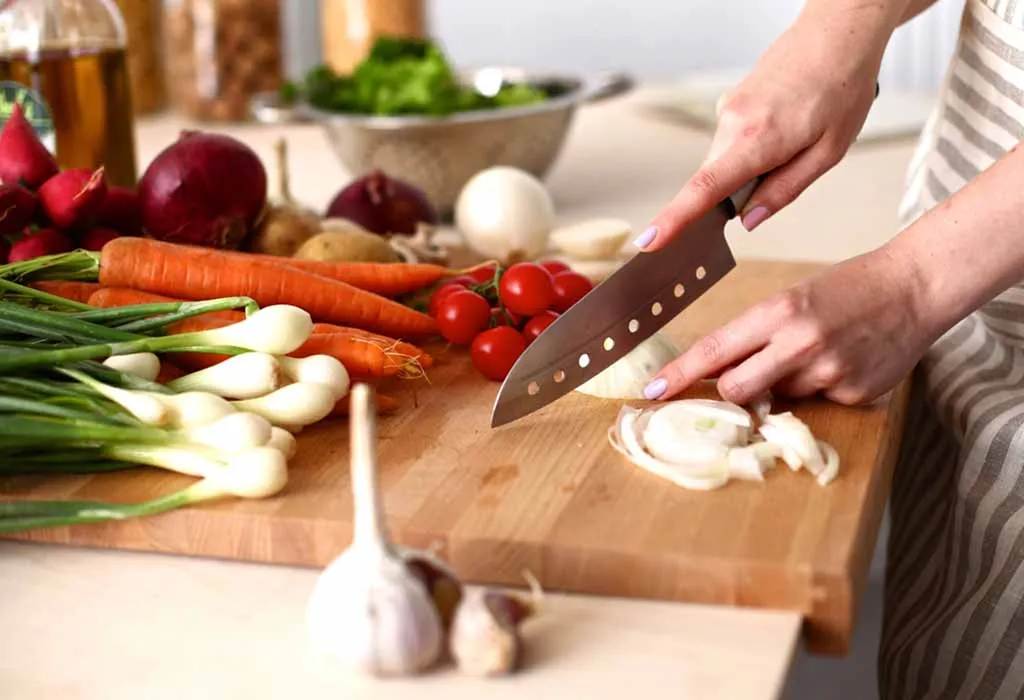
Different styles of kitchen knives have unique balance characteristics. For example, Western chef’s knives typically have a pronounced bolster and a balance point near the handle, while Japanese blades like the Santoku often feature a lighter design with the balance point closer to the blade’s center.
Understanding these differences can help you select the best knife for your needs. If you frequently chop vegetables, a blade with a forward balance may provide more power. For delicate slicing, a more neutral or handle-biased balance can offer better control.
Maintaining Balance for Long-Term Knife Performance
Over time, regular sharpening, cleaning, and use can impact your knife’s balance. Here are a few maintenance tips to preserve optimal performance:
- Sharpen evenly: Uneven sharpening can remove more metal from one side of the blade, shifting the balance. Use consistent strokes and check the blade regularly.
- Clean and dry thoroughly: Moisture can affect handle materials and internal components, especially in wooden or composite handles.
- Store properly: Use a knife block, magnetic strip, or blade guard to prevent damage that could alter the knife’s weight distribution.
Periodically reassess your knife’s balance using the steps outlined earlier. If you notice a significant change, consider professional maintenance.
Frequently Asked Questions
Why does the balance point matter in a kitchen knife?
The balance point affects how the knife feels and performs. A well-balanced tool reduces strain, improves control, and helps you work more efficiently, especially during extended prep sessions.
Can I adjust the balance of my existing knife at home?
Minor adjustments, such as changing your grip or adding a lightweight handle wrap, can help. For significant modifications, it’s best to consult a professional to avoid damaging your knife.
What’s the difference between a balanced and an unbalanced knife?
A balanced knife feels neutral in your hand, with weight distributed evenly between the blade and handle. An unbalanced knife will feel heavier on one end, making it harder to control and potentially causing fatigue or uneven cuts.