The allure of forged Damascus pattern steel has captivated knife enthusiasts, collectors, and craftspeople for centuries. Known for its distinctive flowing designs and remarkable performance, this steel is often associated with high-quality blades and artisanal craftsmanship. But what exactly defines this pattern, and what sets it apart from other types of steel? In this article, we’ll explore the origins, characteristics, and practical advantages of this unique forging technique, as well as how it compares to other blade materials.
Whether you’re a chef, a collector, or simply curious about the world of fine cutlery, understanding the details behind these intricate patterns can help you appreciate the blend of art and science that goes into every blade. For those interested in the technical side of blade construction, you might also find value in learning about the differences in blade bevels and grinding techniques, which further influence a knife’s performance and feel.
The Origins and History of Patterned Damascus Steel
The story of patterned steel dates back to ancient times, with roots in the Middle East and South Asia. Historically, the term “Damascus steel” referred to a type of steel produced using wootz ingots, renowned for their strength, sharpness, and beautiful surface patterns. These blades were prized for their ability to hold a keen edge and resist shattering, making them highly sought after by warriors and royalty alike.
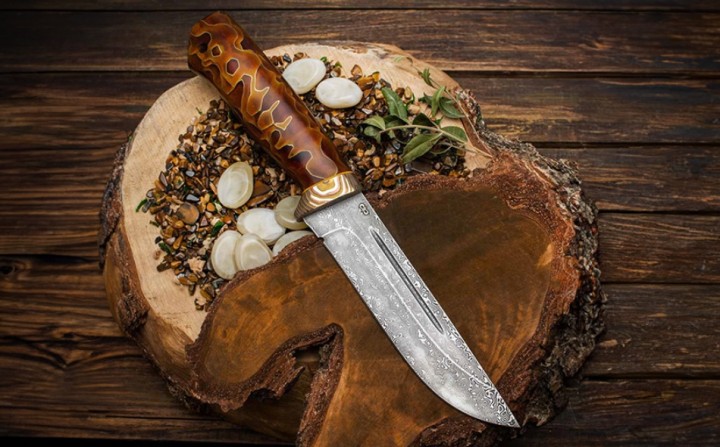
Modern forged patterned steel, however, is created through a different process. Instead of relying on wootz, today’s bladesmiths layer and forge-weld different types of steel together, then manipulate the billet through folding, twisting, and hammering. This process results in the characteristic swirling or wavy patterns that are both visually striking and functional.
How the Forged Pattern Is Created
The creation of a forged Damascus pattern involves several key steps:
- Layering: Multiple sheets of steel—often with varying carbon content—are stacked together.
- Forge Welding: The stack is heated to a high temperature and hammered until the layers bond into a single billet.
- Folding and Manipulation: The billet is repeatedly folded, twisted, or cut and restacked to increase the number of layers and create intricate designs.
- Etching: After shaping and polishing, the blade is etched with acid to reveal the contrasting layers, highlighting the unique patterns.
The result is a blade that not only looks stunning but also benefits from the combined properties of the different steels used in the process.
Key Features of Forged Damascus Blades
Blades made using this method stand out for several reasons. Here are some of the most notable features:
- Distinctive Patterns: The layered construction produces unique, unrepeatable designs on each blade, making every piece one-of-a-kind.
- Strength and Flexibility: By combining hard and soft steels, these blades achieve a balance of durability and resilience, reducing the risk of chipping or breaking.
- Edge Retention: The forging process can enhance the blade’s ability to hold a sharp edge over time, which is highly valued in kitchen and outdoor knives.
- Corrosion Resistance: While not all patterned blades are stainless, the layering can help protect the core steel from rust when properly cared for.
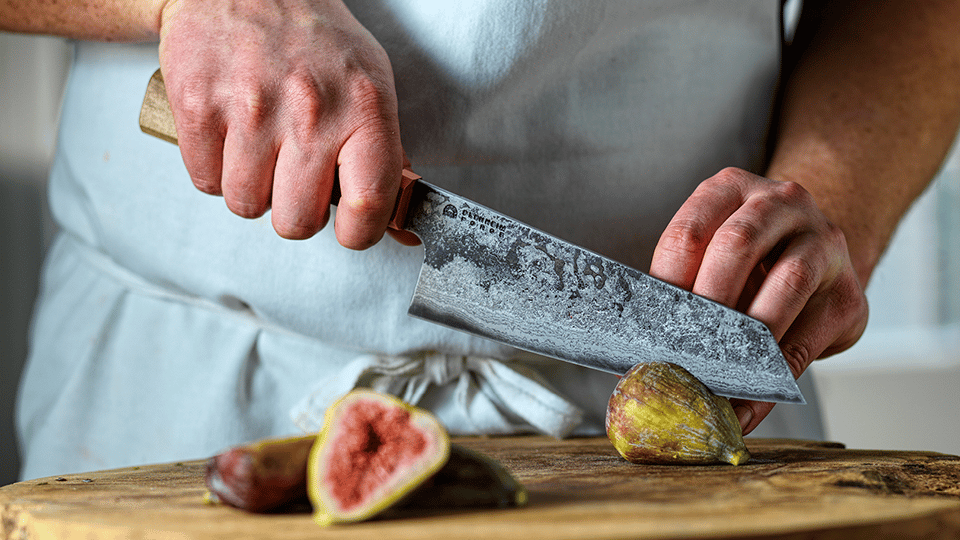
- Artisan Appeal: The visual impact of the swirling or ladder-like designs adds a level of artistry that appeals to collectors and users alike.
Comparing Forged Patterns to Other Blade Types
When considering a new knife or tool, it’s helpful to compare this forging technique to other common blade materials:
- Stainless Steel: Offers excellent corrosion resistance and is easy to maintain, but may lack the unique appearance and edge retention of layered blades.
- High-Carbon Steel: Known for sharpness and ease of sharpening, but more prone to rust if not cared for properly.
- Pattern-Welded Steel: Sometimes used interchangeably with “Damascus,” this refers to the modern technique of layering steels, as opposed to the ancient wootz method.
Ultimately, the choice depends on your priorities—whether you value aesthetics, performance, or ease of maintenance.
Care and Maintenance Tips
To keep your patterned blade in optimal condition, follow these care guidelines:
- Hand wash and dry immediately after use to prevent moisture from causing rust or staining.
- Avoid using abrasive pads or harsh detergents that could damage the etched surface.
- Store in a dry place, preferably in a sheath or on a magnetic strip, to protect the edge and finish.
- Regularly apply a light coat of food-safe oil to the blade, especially if it’s made from high-carbon steel.
Proper maintenance ensures that your blade remains both beautiful and functional for years to come.
Frequently Asked Questions
What makes the patterns on these blades unique?
The swirling or wavy designs are the result of layering and forging different steels together. Each blade’s pattern is shaped by the smith’s technique, making every piece distinct.
Are all patterned blades made the same way?
No, the term covers a range of techniques. While modern pattern-welded blades use layered steels, ancient versions were made from wootz steel. The process and materials can vary, but the goal is always to combine performance with visual appeal.
Is a forged patterned blade better than stainless steel?
It depends on your needs. Patterned blades often offer superior edge retention and unique aesthetics, but stainless steel is easier to maintain and resists corrosion. Consider how you’ll use the knife and how much maintenance you’re willing to perform.
How can I tell if a blade is truly forged and not just etched?
Genuine forged blades will display patterns that go through the steel, visible even if the blade is worn or scratched. Etched designs, on the other hand, are only surface-deep and may fade over time.