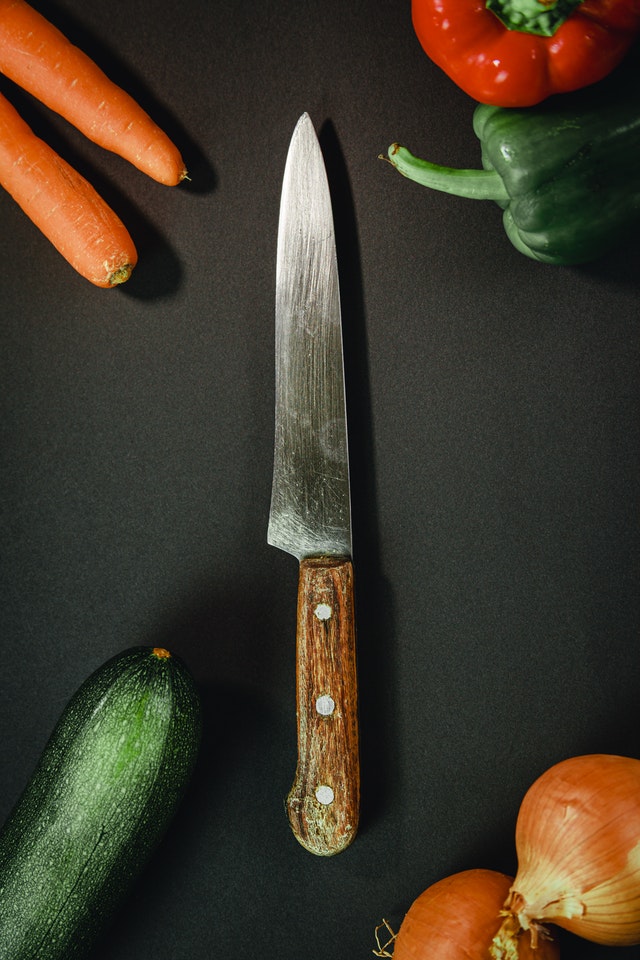

Choosing between wood handle vs metal handle knives can be a pivotal decision for anyone who values performance, comfort, and longevity in their kitchen or outdoor tools. Each material brings its own set of advantages and drawbacks, influencing everything from grip and aesthetics to maintenance and durability. Whether you’re a professional chef, a home cook, or an outdoor enthusiast, understanding these differences can help you select the right knife for your needs.
In this article, we’ll break down the key features, benefits, and limitations of both wood and metal knife handles. We’ll also discuss how these factors impact usability, care, and overall value. If you’re interested in the craftsmanship behind knife making, you might find it insightful to read about Japanese sword forging techniques and how traditional materials influence blade and handle design.
Comparing Knife Handle Materials: Key Differences
The handle of a knife is more than just a grip—it affects safety, comfort, and even the knife’s balance. The two most common materials, wood and metal, each offer unique characteristics that appeal to different users. Let’s explore how these options stack up in terms of ergonomics, aesthetics, and performance.
Advantages of Wooden Knife Handles
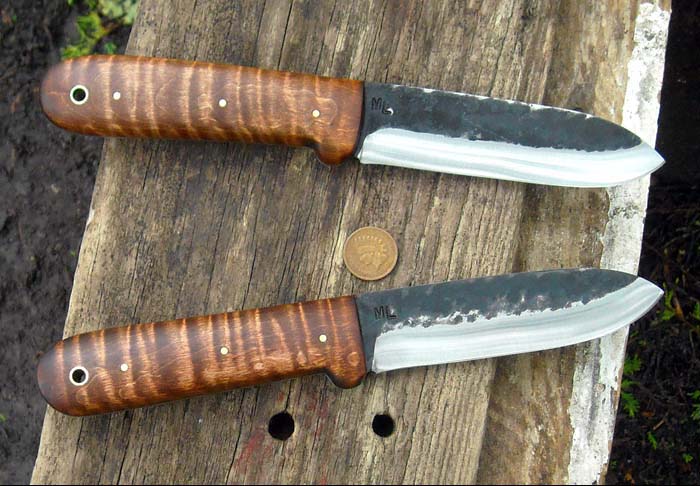
Wooden handles have been a staple in knife making for centuries. Their natural feel and classic appearance make them a favorite among many culinary professionals and collectors. Here are some of the main benefits:
- Comfort and Grip: Wood offers a warm, tactile feel that becomes more comfortable with use. The organic texture provides a secure grip, even when hands are wet.
- Aesthetics: Each wooden handle is unique, with grain patterns and colors that add character. Woods like walnut, rosewood, and maple are especially prized for their beauty.
- Tradition and Craftsmanship: Many high-end knives feature hand-finished wooden handles, reflecting traditional craftsmanship and attention to detail.
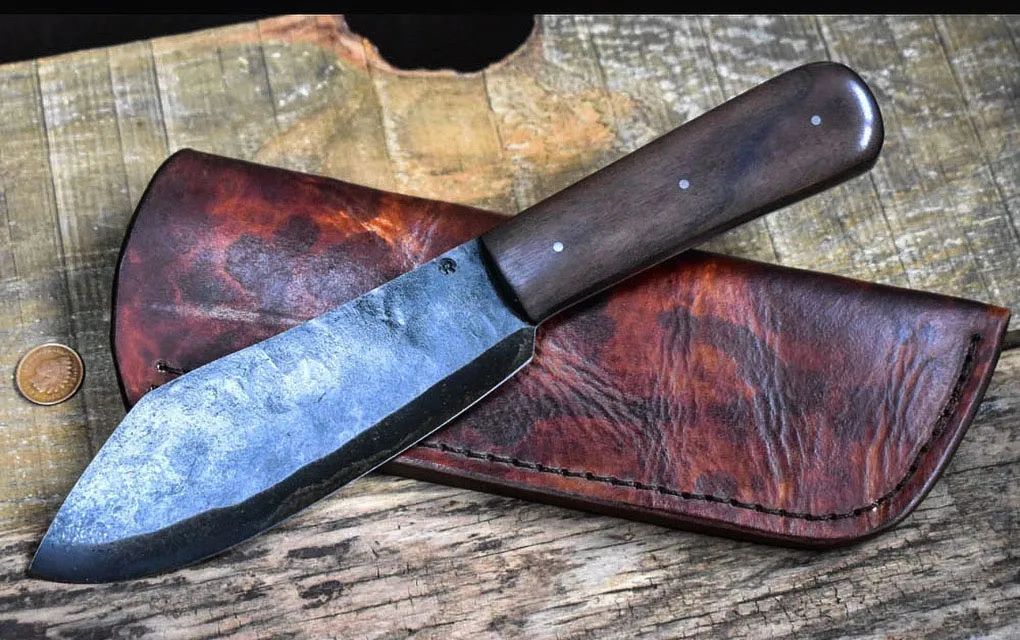
Despite these strengths, wood handles do have some limitations:
- Maintenance: Wood is porous and can absorb moisture, leading to swelling, cracking, or warping if not properly cared for. Regular oiling is often required to maintain the handle’s integrity.
- Hygiene: Because wood can harbor bacteria, it’s important to clean and dry these handles thoroughly after each use, especially in professional kitchens.
- Durability: While hardwoods are tough, they’re still more susceptible to damage from impacts or prolonged exposure to water compared to synthetic or metal alternatives.
Benefits and Drawbacks of Metal Knife Handles
Metal handles, commonly made from stainless steel or aluminum, are popular for their modern look and robust construction. Here’s what sets them apart:
- Strength and Longevity: Metal handles are highly resistant to wear, corrosion, and impact. They can withstand heavy use and are less likely to crack or break.
- Hygiene: Non-porous surfaces make metal handles easier to sanitize, reducing the risk of bacterial buildup.
- Maintenance: These handles require minimal upkeep. They don’t need oiling and can be washed without special treatment.
However, metal handles also have some potential downsides:
- Grip and Comfort: Metal can feel cold and slippery, especially when wet. Some designs include textured patterns or rubber inserts to improve grip, but plain metal may not be as comfortable for extended use.
- Weight: Depending on the type and thickness of metal, these handles can be heavier than wood, which may affect balance and fatigue during prolonged tasks.
- Temperature Sensitivity: Metal conducts heat and cold, which can be uncomfortable in extreme environments.
Performance and Practicality in Everyday Use
When evaluating wood handle vs metal handle knives for daily tasks, consider how each material aligns with your priorities. For those who value tradition, aesthetics, and a warm grip, wood is often the preferred choice. If hygiene, durability, and low maintenance are more important, metal may be the better option.
It’s also worth noting that some premium knives combine both materials—such as a metal core with wooden scales—to balance comfort and strength. Ultimately, the right choice depends on your intended use, care preferences, and personal style.
Care and Maintenance Tips
Proper care extends the life of any knife handle, regardless of material. Here are some practical tips:
- Wood: Hand wash only, dry immediately, and apply food-safe mineral oil periodically to prevent drying and cracking.
- Metal: Clean with mild soap and water, dry thoroughly, and avoid abrasive cleaners that could scratch the surface.
- Storage: Store knives in a block, sheath, or on a magnetic strip to protect both the blade and handle from damage.
Choosing the Right Knife Handle for Your Needs
When deciding between these two handle types, think about your cooking habits, environment, and how much time you’re willing to spend on maintenance. For example, outdoor enthusiasts may prefer metal handles for their resilience, while home cooks who appreciate aesthetics might gravitate toward wood.
Remember, the best handle is one that feels comfortable in your hand and suits your specific tasks. If possible, try holding different knives before making a purchase to assess balance and grip firsthand.
FAQ
Are wooden knife handles safe for food preparation?
Yes, wooden handles are safe when properly maintained. It’s important to clean and dry them thoroughly after use to prevent bacteria buildup. Regular oiling also helps maintain their condition and hygiene.
Do metal handles make knives heavier?
Metal handles can add weight, but this varies depending on the type and thickness of the metal used. Some users prefer the added heft for chopping tasks, while others may find lighter knives more comfortable for extended use.
Which handle material lasts longer?
With proper care, both wood and metal handles can last for many years. However, metal handles generally require less maintenance and are more resistant to water, impacts, and temperature changes, making them more durable in harsh conditions.