Forged knives have long been prized by chefs, collectors, and outdoor enthusiasts for their durability, craftsmanship, and performance. However, the price of a forged knife can vary dramatically, leaving many to wonder what affects forged knife cost and why some blades command premium prices while others are more affordable. Understanding the key elements that go into pricing helps buyers make informed decisions and appreciate the value behind each blade.
Several factors influence the final price tag of a forged knife, from the materials used and the complexity of the forging process to the reputation of the maker and the finishing touches. Whether you’re considering a handmade chef’s knife or a custom outdoor blade, knowing these variables can help you choose the right knife for your needs and budget.
For those interested in the craft behind these blades, exploring resources like the art of sword forging from ancient techniques to modern innovations provides deeper insight into traditional and modern approaches that shape both quality and cost.
Key Elements That Influence Forged Knife Pricing
When evaluating forged knife pricing, several core elements come into play. Each of these factors can significantly impact the overall cost, and understanding them provides clarity when comparing different knives.
- Steel Quality and Composition: The type of steel used in a forged knife is one of the most significant cost drivers. High-carbon steels, stainless alloys, and specialty steels like Damascus or powdered metallurgy blends are more expensive due to their performance characteristics and the complexity of working with them.
- Forging Process: The method used to shape the blade—whether by hand or machine—affects labor costs and the final price. Hand-forged knives require skilled artisans, more time, and meticulous attention to detail, which increases the price.
- Heat Treatment: Proper heat treatment is essential for achieving the desired hardness, toughness, and edge retention. This step requires expertise and specialized equipment, adding to the cost.
- Handle Materials: Premium handle materials such as exotic woods, stabilized composites, bone, or horn are more expensive than basic plastics or standard woods.
- Fit and Finish: The level of refinement in polishing, grinding, and assembling the knife affects both aesthetics and price. High-end knives often feature hand-polished blades, seamless handle integration, and custom embellishments.
- Brand Reputation and Maker’s Skill: Renowned makers or brands with a history of quality craftsmanship can command higher prices due to their reputation and demand.
Material Selection and Its Impact on Cost
The choice of materials is a fundamental aspect of what affects forged knife cost. Both the blade and handle materials play a role in determining the price and performance of the finished product.
Blade steels range from affordable carbon steels to advanced alloys designed for superior edge retention and corrosion resistance. For example, knives made from VG-10, S35VN, or Damascus steel are typically more expensive due to the cost of raw materials and the expertise required to forge and treat them properly.
Handle materials also vary widely. Basic models may use simple hardwoods or synthetic plastics, while premium knives feature stabilized woods, micarta, G10, or even rare materials like mammoth ivory. The rarity, stability, and workability of these materials all contribute to the final price.
Labor, Craftsmanship, and the Value of Hand-Forging
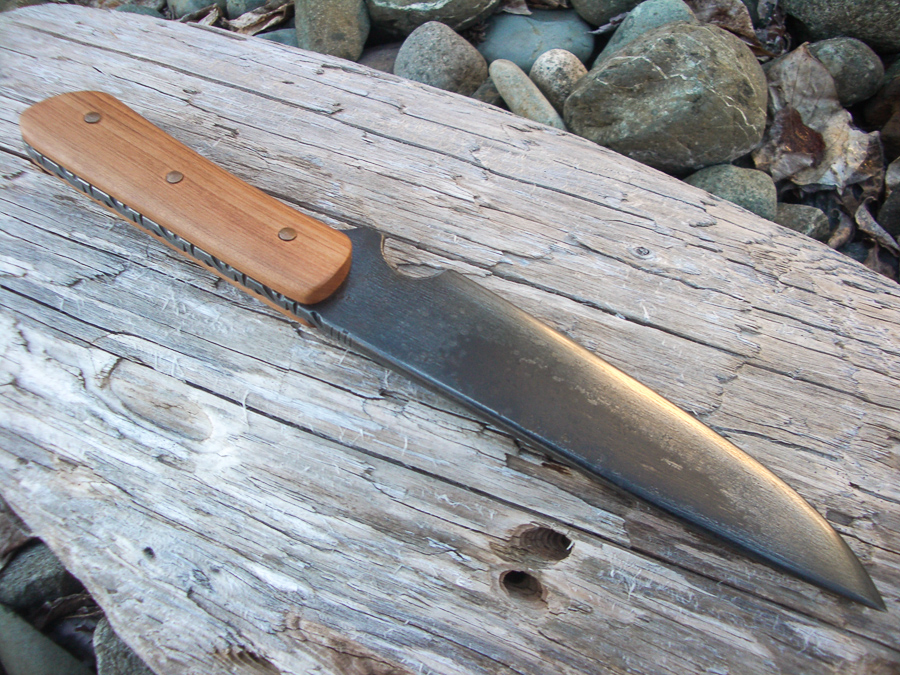
Labor is a major component in the cost of a forged knife. Hand-forged blades require a skilled smith to heat, hammer, and shape the steel, often taking hours or even days to complete a single knife. This level of craftsmanship is reflected in the price, as each step—shaping, grinding, heat treating, and finishing—demands expertise and attention to detail.
Machine-forged or mass-produced knives, while more affordable, lack the unique qualities and meticulous finishing of hand-forged pieces. The difference in labor investment is a key reason why artisan blades command higher prices.
In addition, custom features such as filework, engraving, or unique blade shapes can further increase labor costs and, consequently, the price of the finished knife.

Brand, Origin, and Market Factors
Another important aspect of forged knife pricing is the brand and origin of the knife. Established brands with a reputation for quality, such as Japanese or German makers, often charge more due to their heritage and consistent standards. Limited edition runs, collaborations with well-known smiths, or knives made in regions famous for blade-making can also command higher prices.
Market demand, import/export costs, and even currency fluctuations can influence the retail price of a knife. For collectors, provenance and rarity may add significant value beyond the sum of materials and labor.
Additional Features and Customization
Many forged knives offer features that go beyond basic function. Customizations such as decorative bolsters, mosaic pins, personalized engravings, or unique blade profiles can all increase the price. These extras are often found on knives intended for collectors or as gifts, where aesthetics and individuality are as important as performance.
Some knives are also sold with premium accessories, such as leather sheaths, presentation boxes, or maintenance kits, which add to the overall cost.
FAQ
Why do hand-forged knives cost more than factory-made ones?
Hand-forged knives require significant time, skill, and attention to detail from experienced craftsmen. Each blade is individually shaped, heat-treated, and finished, resulting in a unique product. This labor-intensive process and the expertise involved are reflected in the higher price compared to mass-produced knives.
Does the type of steel really matter for knife pricing?
Yes, the steel used in a knife greatly influences its price. High-performance steels are more expensive to source and work with, but they offer superior edge retention, toughness, and corrosion resistance. Cheaper steels lower the cost but may not perform as well or last as long.
Are expensive forged knives always better than cheaper ones?
Not necessarily. While higher-priced forged knives often offer better materials, craftsmanship, and finishing, the best knife for you depends on your needs and budget. Some affordable forged knives provide excellent value for everyday use, while premium models are ideal for enthusiasts or professionals seeking top-tier performance and aesthetics.