The world of knives and cutting tools is rich with variety, and much of their effectiveness comes down to the shape and design of the blade. For anyone interested in kitchen knives, woodworking tools, or even industrial cutters, understanding blade profiles is essential for making informed choices and achieving the best results. The profile of a blade determines not only how it slices, chops, or carves, but also how it feels in your hand and how well it suits specific tasks.
Whether you’re a professional chef, a home cook, or a craftsman, knowing the differences between blade shapes and their intended uses can help you select the right tool for the job. This guide explores the most common blade profiles, their unique characteristics, and practical advice for matching them to your needs. If you’re curious about the technical aspects of blade grinding and bevel types, you might also find value in this comprehensive explanation of bevel types and grinding methods.
Why Blade Shape Matters for Cutting Performance
The profile of a blade refers to its outline when viewed from the side. This shape influences everything from the way the knife enters food or material, to how easy it is to control, to how well it holds an edge. The geometry of the blade can make a significant difference in performance, safety, and comfort.
For example, a thin, pointed tip is ideal for precision work, while a broad, curved belly excels at rocking motions for chopping. Some profiles are designed for versatility, while others are highly specialized. By learning about these differences, you can better appreciate why certain knives or tools are favored for specific tasks.
Common Blade Profiles and Their Best Uses
Let’s take a closer look at the most widely used blade shapes and what they’re best suited for. This overview will help you identify which profile matches your needs, whether you’re preparing vegetables, slicing meat, or tackling other cutting tasks.

Chef’s Knife: The All-Purpose Workhorse
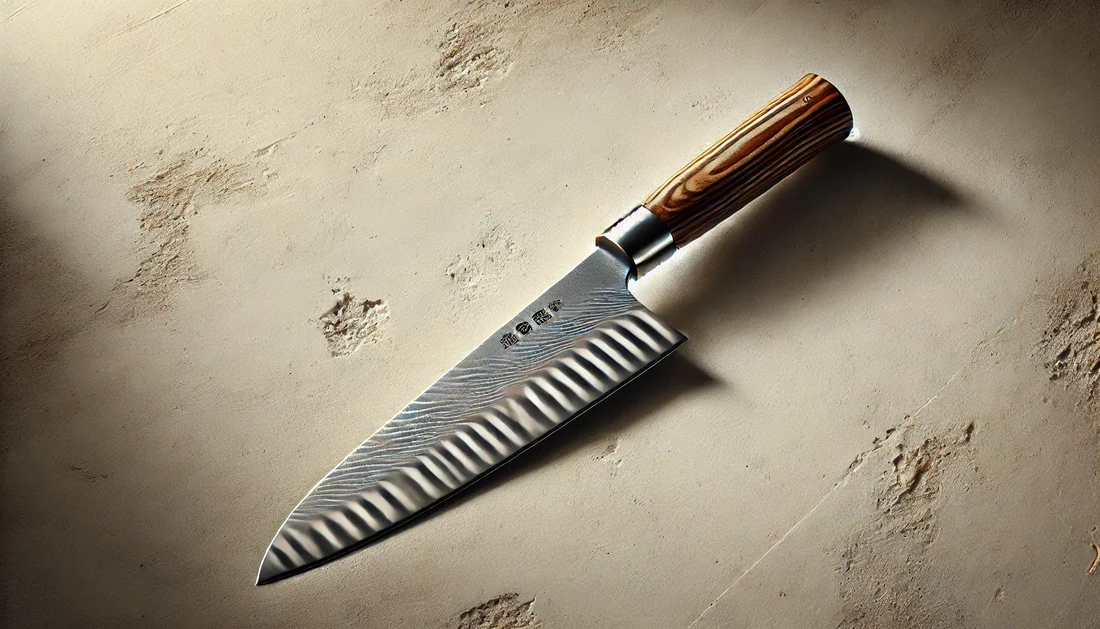
One of the most recognizable profiles is the chef’s knife, which features a broad blade with a gentle curve toward the tip. This design allows for a rocking motion, making it ideal for chopping, mincing, and slicing a wide range of foods. The length and width provide stability and control, while the pointed tip can handle more delicate tasks.
Paring Knife: Precision and Control
Paring knives are small with a narrow, pointed blade. Their compact size and sharp tip make them perfect for peeling, trimming, and other tasks that require fine control. The straight edge is well-suited for cutting small fruits and vegetables or removing seeds.
Santoku: Japanese Versatility
The santoku, a staple in Japanese kitchens, has a flatter edge and a sheepsfoot tip. This profile excels at slicing, dicing, and chopping, especially with a straight up-and-down motion. The blade’s width also makes it easy to scoop up chopped ingredients.
Serrated Blades: Slicing Through Tough Skins
Serrated knives, with their saw-like edges, are designed to cut through foods with tough exteriors and soft interiors, such as bread or tomatoes. The profile allows the blade to grip and penetrate the surface without crushing the food.
Boning and Fillet Knives: Flexibility for Detail Work
These knives feature narrow, often flexible blades that make it easier to work around bones and joints. The profile is designed for precision, allowing for clean cuts when filleting fish or trimming meat.
How Blade Geometry Affects Cutting Technique
The cross-sectional shape of a blade, or its grind, works together with the profile to influence cutting efficiency. For instance, a hollow grind creates a thin, razor-sharp edge for delicate slicing, while a convex grind offers greater durability for heavy-duty tasks. If you want to dive deeper into the technical aspects of blade grinds and bevels, a detailed breakdown can be found in this guide to industrial blade grinding and bevel types.
The angle and thickness of the blade affect how easily it passes through material. Thin, acute profiles are better for precision and clean cuts, while thicker, more obtuse shapes provide strength and resistance to damage. Choosing the right combination of profile and grind is key to maximizing performance and safety.
Matching Blade Profiles to Specific Tasks
Selecting the appropriate knife or tool for each job can make your work easier and more enjoyable. Here’s a quick reference for matching common profiles to their best uses:
- Chef’s knife: Versatile for chopping, slicing, and dicing most foods.
- Paring knife: Ideal for peeling, trimming, and intricate work.
- Santoku: Excellent for vegetables, fish, and general prep with a straight cut.
- Serrated blade: Best for bread, tomatoes, and foods with tough skins.
- Boning/fillet knife: Suited for removing bones and skinning meat or fish.

Care and Maintenance for Different Blade Shapes
Proper care extends the life and performance of your knives. Regardless of the blade profile, regular honing and occasional sharpening are essential. Use a honing rod to maintain the edge between sharpenings, and select a sharpening method that matches your blade’s grind and material.
Always wash knives by hand, dry them immediately, and store them safely to prevent damage. Avoid using the wrong blade for tough materials, as this can chip or dull the edge. With the right maintenance, your knives will stay sharp and effective for years.
Frequently Asked Questions
What is the most versatile blade profile for home cooks?
The chef’s knife is widely considered the most versatile option for home kitchens. Its balanced profile handles a wide range of tasks, from chopping vegetables to slicing meat, making it a staple in most households.
How do I choose the right knife for a specific task?
Consider the type of food or material you’ll be cutting and match it to the blade’s strengths. Use a paring knife for small, precise work; a serrated blade for bread or tomatoes; and a boning knife for meat and fish. Understanding blade profiles helps you make the best choice.
Why are Japanese knives shaped differently from Western knives?
Japanese knives often have thinner, lighter blades with specialized profiles like the santoku or nakiri, designed for precision and delicate slicing. Western knives, such as the chef’s knife, tend to be heavier and more curved, favoring versatility and durability.
Does the grind of a blade matter as much as its profile?
Both the grind and the profile play crucial roles. The grind affects sharpness and durability, while the profile determines how the blade interacts with food or material. For a deeper dive into grinds, see this in-depth guide to blade grinding and bevels.
Conclusion
Gaining a solid grasp of blade shapes and their intended uses empowers you to work more efficiently and safely. By selecting the right knife or tool for each task and maintaining it properly, you’ll enjoy better results and a more satisfying experience in the kitchen or workshop. Whether you’re a beginner or an experienced user, taking the time to learn about these details pays off in performance and longevity.