Selecting the best ceramic knife for your kitchen can make a noticeable difference in your daily meal preparation. With so many options available, understanding the unique qualities of ceramic blades and how they fit your cooking habits is essential. Whether you’re a home cook who loves prepping vegetables or someone who values low-maintenance tools, this guide will help you navigate the key factors to consider when picking a ceramic knife that matches your needs.
Before diving into the specifics, it’s helpful to understand what sets ceramic knives apart from their steel counterparts. These blades are known for their sharpness, lightweight feel, and resistance to rust. However, not every ceramic knife is created equal, and your choice should reflect how you cook and what you value most in your kitchen tools.
For a deeper dive into the science and history behind ceramic blades, you can explore everything you need to know about ceramic knives from a culinary expert’s perspective.
Understanding Ceramic Knife Materials and Construction
The main material in ceramic blades is zirconium dioxide, also known as zirconia. This compound is extremely hard, ranking just below diamonds on the Mohs scale. As a result, ceramic knives maintain their sharp edge much longer than most steel knives. However, their hardness also makes them more brittle, so they require careful handling.
When evaluating different ceramic knives, consider the following:
- Blade density: Higher density usually means a sharper, more durable edge.
- Manufacturing process: Some brands use advanced sintering techniques for added strength.
- Blade color: White and black ceramic blades may differ in toughness, with black often being denser and more resistant to chipping.
Matching Knife Types to Your Cooking Habits
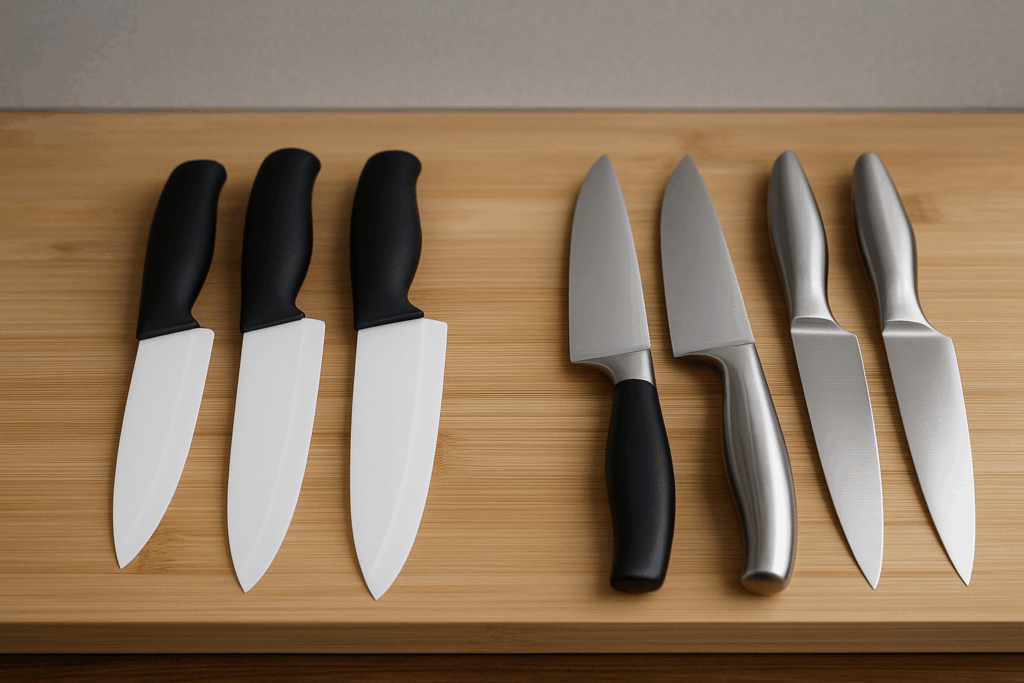
Not all ceramic knives serve the same purpose. Choosing the best blade shape and size depends on the types of food you prepare most often. Here are some common options:
- Chef’s knife (6–8 inches): Ideal for general chopping, slicing, and dicing. If you want a versatile tool for vegetables, fruits, and boneless meats, this is a solid choice.
- Paring knife (3–4 inches): Perfect for peeling, trimming, and detailed work. Great for prepping small fruits or garnishes.
- Santoku knife: A Japanese-style alternative to the chef’s knife, with a straighter edge and a sheepsfoot blade. Excellent for precision slicing and mincing.
- Slicing knife: Longer and thinner, designed for clean cuts through soft foods like tomatoes or boneless fish.
If you mostly prepare salads, fruits, or sushi, a ceramic chef’s or santoku knife will likely serve you well. For more specialized tasks, consider adding a paring or slicing knife to your collection.
Key Features to Consider When Selecting a Ceramic Knife
Beyond blade shape and size, several features can influence your satisfaction with a ceramic knife:
- Handle design: Look for ergonomic, non-slip handles that feel comfortable in your grip. Some handles are contoured for extra control.
- Weight and balance: Ceramic knives are lighter than steel, but balance is still important for safe, efficient cutting. Test how the knife feels in your hand if possible.
- Protective sheath or case: Because ceramic blades are brittle, a sheath helps prevent accidental chips or breaks during storage.
- Dishwasher safety: While some ceramic knives are labeled dishwasher-safe, hand washing is generally recommended to extend the blade’s life.
Consider your kitchen habits and storage solutions when making your choice. If you’re often in a hurry or share your kitchen with others, a protective sheath and a comfortable handle can make a big difference.
Pros and Cons of Ceramic Knives for Different Cooking Styles
Understanding the advantages and limitations of ceramic blades can help you decide if they’re the right fit for your kitchen:
-
Advantages:
- Extremely sharp edge for precise slicing
- Resistant to rust, acids, and staining
- Lightweight and easy to maneuver
- Requires less frequent sharpening than steel
-
Drawbacks:
- Can chip or break if dropped or used on hard foods (like bones or frozen items)
- Not suitable for prying, twisting, or heavy-duty chopping
- Sharpening requires special diamond tools
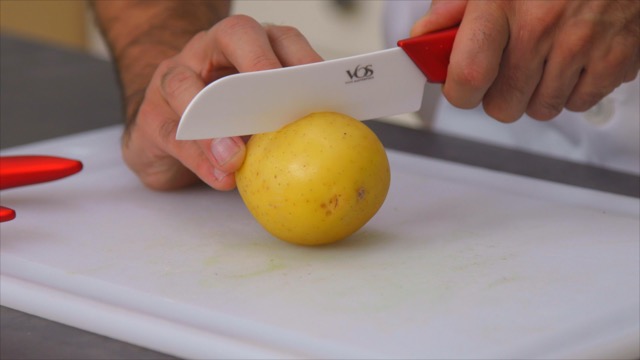
If your cooking style involves mostly fruits, vegetables, and boneless proteins, a ceramic knife can be a valuable addition to your kitchen. However, if you often work with tougher ingredients or need a multi-purpose tool, you may want to supplement with a quality steel knife.
Care and Maintenance Tips for Ceramic Blades
To get the most out of your ceramic knife, follow these care guidelines:
- Always use a wooden or plastic cutting board to prevent chipping.
- Hand wash the blade with mild soap and dry immediately.
- Store in a sheath, knife block, or on a magnetic strip (with care).
- Avoid using the knife to cut bones, frozen foods, or hard-skinned squash.
- If sharpening is needed, use a diamond sharpener or seek professional help.
Proper care will ensure your ceramic blade remains sharp and safe for years of use.
Frequently Asked Questions
Are ceramic knives better than steel knives?
Ceramic knives offer exceptional sharpness and are resistant to rust and staining, making them ideal for slicing fruits and vegetables. However, they are more brittle than steel and can chip if misused. Steel knives are more versatile and durable for heavy-duty tasks.
Can I sharpen a ceramic knife at home?
Sharpening ceramic blades requires a diamond sharpener, as traditional sharpeners won’t work. Some home sharpeners are designed for ceramics, but for best results, consider professional sharpening to avoid damaging the blade.
What foods should I avoid cutting with a ceramic knife?
Avoid using ceramic knives on bones, frozen foods, or very hard items. Stick to softer foods like fruits, vegetables, and boneless meats to prevent chipping or breaking the blade.