Selecting the right knife involves more than just choosing a blade shape or handle material. One often-overlooked aspect is the coating applied to the blade itself. Various types of knife blade coatings are available, each offering unique advantages for durability, corrosion resistance, and aesthetics. Understanding these finishes can help you make informed decisions, whether you’re a chef, outdoor enthusiast, or collector.
Coatings can dramatically affect a knife’s performance and longevity. Some are designed to minimize friction, while others provide a barrier against rust or add a distinctive look. This article explores the most common finishes, their practical benefits, and how to choose the best option for your needs.
For those interested in keeping their knives sharp and well-maintained, you may also find this guide on how to sharpen a knife effectively useful.
Understanding Knife Blade Coating Materials
Knife blade finishes are applied for a variety of reasons, including protection, performance, and style. The most popular coating types for knives include powder coatings, titanium nitride, DLC (diamond-like carbon), Teflon, and ceramic. Each of these options provides distinct characteristics that cater to different uses and environments.
Powder Coatings: Durable and Versatile Protection
Powder coating is a common method that involves applying a dry powder to the blade, which is then cured under heat. This process creates a tough, uniform layer that resists chipping, scratching, and corrosion. Powder-coated knives are especially popular for outdoor and tactical use due to their durability and matte finish, which reduces glare.
- Corrosion resistance: Powder coatings form a barrier that protects steel from moisture and chemicals.
- Low reflectivity: The matte surface is ideal for hunting or military applications where stealth is important.
- Color variety: Available in many colors, allowing for customization and easy identification.
Titanium Nitride and Other PVD Coatings
Physical Vapor Deposition (PVD) coatings, such as titanium nitride (TiN), are applied in a vacuum chamber, resulting in a thin, hard layer that bonds to the steel. TiN coatings are recognized by their gold hue, but other PVD finishes can appear black, blue, or rainbow-colored.
- Enhanced hardness: These coatings increase surface hardness, improving edge retention and wear resistance.
- Corrosion protection: PVD layers shield the blade from rust and chemical damage.
- Distinctive appearance: The metallic sheen adds a premium look to the knife.
Diamond-Like Carbon (DLC) and Black Blade Coatings
DLC is a premium blade finish that mimics the hardness and slickness of diamond. It is applied using advanced techniques, resulting in a thin, nearly invisible layer that is extremely tough and resistant to abrasion. Black oxide and similar coatings offer a more affordable alternative, providing a dark, non-reflective finish.
- Exceptional wear resistance: DLC coatings are among the hardest, making them ideal for heavy-duty tasks.
- Low friction: The slick surface reduces drag during cutting, improving efficiency.
- Stealthy look: Black coatings are favored for tactical and EDC (everyday carry) knives.
Ceramic and Teflon Blade Finishes
Ceramic coatings are applied as a thin, glass-like layer that offers excellent corrosion resistance and a smooth surface. Teflon, known for its use in non-stick cookware, is also used as a blade finish to reduce friction and prevent food from sticking.
- Non-stick properties: Both ceramic and Teflon minimize food adhesion, making them popular in kitchen knives.
- Rust prevention: These coatings act as a barrier against moisture and acids.
- Easy cleaning: The slick surface simplifies maintenance and cleaning.
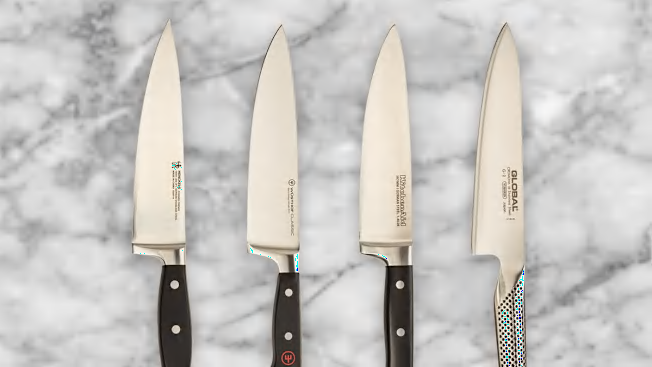
Comparing Uncoated and Coated Blades
While many modern knives feature some form of blade finish, uncoated (or “naked steel”) blades remain popular for their classic appearance and ease of sharpening. However, they generally require more maintenance to prevent rust and staining. Coated options, on the other hand, provide added protection and can extend the lifespan of the blade, especially in harsh environments.
| Coating Type | Main Benefit | Best For |
|---|---|---|
| Powder Coating | Durability, corrosion resistance | Outdoor, tactical use |
| Titanium Nitride (PVD) | Hardness, premium look | Collectors, EDC |
| DLC/Black Coating | Extreme wear resistance | Heavy-duty, tactical |
| Ceramic/Teflon | Non-stick, easy cleaning | Kitchen, food prep |
| Uncoated Steel | Traditional feel, easy sharpening | Purists, frequent sharpeners |
Choosing the Right Blade Finish for Your Needs
The ideal blade coating depends on how you plan to use your knife. For outdoor activities or environments where moisture is a concern, a durable powder or DLC finish can offer superior protection. Kitchen users may prefer ceramic or Teflon for their non-stick qualities, while collectors might gravitate toward striking PVD finishes for their visual appeal.
It’s also important to consider maintenance. Some coatings can wear off over time, especially with heavy use or improper cleaning. Always follow the manufacturer’s care instructions to maximize the lifespan of your knife’s finish.
Frequently Asked Questions
Do Blade Coatings Affect Sharpening?
Most modern coatings are thin enough that they do not interfere with sharpening, especially if the edge itself is left uncoated. However, aggressive sharpening can eventually wear down some finishes, so gentle techniques and the right tools are recommended.
Are Coated Knives Dishwasher Safe?
Even with protective finishes, it’s best to avoid dishwashers. High heat, harsh detergents, and jostling can damage both the coating and the blade itself. Hand washing and drying immediately is the safest approach.
How Long Do Knife Blade Coatings Last?
The longevity of a blade finish depends on the type, quality, and how the knife is used. Premium coatings like DLC and PVD can last for many years with proper care, while basic powder or Teflon finishes may show wear sooner if subjected to heavy use.
Can I Reapply a Coating to My Knife?
Some coatings, such as powder or ceramic, can be reapplied by professionals, but others like PVD or DLC require specialized equipment. If your knife’s finish is wearing off, consult a professional service for advice.
By understanding the different types of knife blade coatings and their unique benefits, you can select the best knife for your specific needs and ensure it stays in top condition for years to come.