The allure of Damascus steel lies in its striking patterns and legendary reputation for strength and sharpness. For centuries, these blades have fascinated collectors, chefs, and knife enthusiasts alike. But what sets these unique blades apart, and what goes into the intricate process of making them? In this guide, we’ll explore the essential steps, materials, and craftsmanship behind the creation of these remarkable knives, providing insight into both traditional and modern techniques.
Whether you’re a curious collector or someone considering a new kitchen knife, understanding how Damascus steel is made will help you appreciate the artistry and skill involved. If you’re interested in exploring different blade types and their uses, you might also find this comprehensive guide to knife edge grinds helpful.
The Origins and Appeal of Patterned Steel
The history of patterned steel dates back over a thousand years, with roots in the Middle East and South Asia. The original technique, often referred to as “wootz steel,” involved forging high-carbon steel ingots into blades that displayed distinctive swirling patterns. These blades gained fame for their durability, flexibility, and ability to hold a keen edge.
Today, the term “Damascus steel” is used to describe modern blades that replicate the look and some of the properties of these ancient swords. While the exact methods of the past have been lost to history, contemporary smiths have developed their own approaches to achieve similar results, blending tradition with innovation.
Materials Used in Modern Damascus Blades
The process of making these unique knives begins with careful selection of materials. Modern smiths typically use two or more types of steel with contrasting properties—one high in carbon for hardness and another with lower carbon content for toughness. Popular choices include 1095 and 15N20 steels, but other combinations are also common.
- High-carbon steel: Provides hardness and edge retention.
- Nickel-rich steel: Adds toughness and creates bright contrast in the finished pattern.
- Alloy variations: Some makers experiment with stainless or tool steels for specific performance characteristics.
Step-by-Step: The Art of Forging Patterned Steel
The journey from raw materials to a finished blade involves several meticulous steps. Here’s an overview of how these distinctive knives are crafted:
1. Preparing and Stacking the Steel
The process starts by cutting strips or sheets of the chosen steels. These are cleaned thoroughly to remove any contaminants, then stacked in alternating layers. The stack, known as a billet, is often secured with wire or tack welds to hold it together during heating.
2. Forge Welding and Drawing Out
The billet is heated in a forge until it reaches a critical temperature, typically above 2,000°F (about 1,100°C). At this stage, the smith hammers or presses the billet, causing the layers to bond together through a process called forge welding. The billet is then drawn out (lengthened and thinned) and often folded back onto itself to increase the number of layers, enhancing the complexity of the final pattern.
This folding and welding process may be repeated several times. The number of layers can range from a few dozen to several hundred, depending on the desired look and performance.
3. Pattern Manipulation
To create the signature swirling or wavy designs, smiths use various techniques to manipulate the billet. These include twisting, cutting and restacking, or even chiseling grooves before further forging. Each approach results in a unique pattern, making every blade one of a kind.
4. Shaping and Heat Treating
Once the desired pattern is achieved, the billet is shaped into a blade. This involves forging or grinding to refine the profile and edge. The blade is then heat-treated—hardened and tempered—to achieve the optimal balance of strength and flexibility.
5. Acid Etching for Pattern Reveal
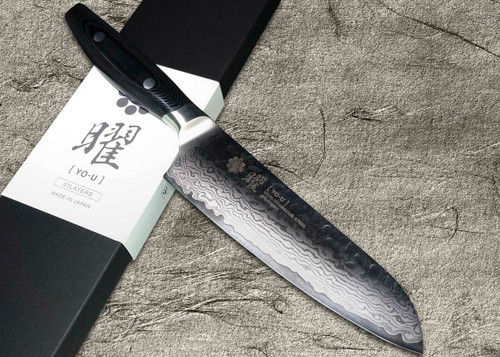
The final pattern is brought to life through acid etching. The blade is cleaned and immersed in an acid bath, which reacts differently with the various steels, revealing the contrasting layers. This step highlights the intricate designs that make these knives so visually striking.
Modern Innovations in Layered Steel Blades
While the core principles remain rooted in tradition, modern makers have introduced new materials and technologies to the process. Some use stainless steels for improved corrosion resistance, while others experiment with powdered metallurgy for even finer grain structure and pattern control.
Advances in equipment, such as hydraulic presses and temperature-controlled forges, allow for greater consistency and precision. Despite these innovations, the heart of the process remains the same: skilled hands, a keen eye, and a deep respect for the craft.
Benefits and Considerations of Patterned Steel Knives
Blades made using these techniques are prized for more than just their looks. Here are some of the key advantages:
- Edge retention: The combination of hard and tough steels helps maintain a sharp edge.
- Strength and flexibility: Layering different steels can create a blade that resists breaking and chipping.
- Unique appearance: No two blades are exactly alike, making each piece a functional work of art.
However, it’s important to note that not all patterned steel knives are created equal. The quality depends on the skill of the maker, the materials used, and the care taken during each step. When choosing a knife, look for reputable makers and pay attention to details like fit, finish, and heat treatment.
Care and Maintenance Tips
To keep your patterned steel knife performing at its best, follow these care guidelines:
- Hand wash and dry immediately after use to prevent rust.
- Avoid cutting hard materials like bone or frozen foods.
- Store in a dry place, ideally in a knife block or sheath.
- Regularly apply a light coat of food-safe oil to protect the blade.
Frequently Asked Questions
What makes patterned steel different from regular stainless steel?
The main difference is in the construction. Patterned steel is made by layering and forging together different steels, creating both visual patterns and a blend of properties. Regular stainless steel is typically a single alloy, offering corrosion resistance but lacking the unique look and layered performance.
Are all modern patterned steel knives made the same way?
No, techniques and materials can vary widely. Some makers use traditional carbon steels, while others use stainless or even powdered metals. The number of layers, pattern manipulation, and finishing methods all contribute to the uniqueness of each blade.
How can I tell if a knife is genuine patterned steel?
Authentic blades will have patterns that continue through the spine and tang, not just on the surface. Acid etching reveals the true layers, and reputable makers will provide information about their process and materials. Be cautious of knives with printed or laser-etched patterns that do not reflect real layered construction.