In the fast-paced world of commercial kitchens, the choice of tools can make a significant difference in efficiency, safety, and food quality. Among the most essential implements are knives, and for many chefs and restaurant owners, restaurant use forged knives stand out as the preferred option for demanding environments. These knives are known for their strength, durability, and precision, making them a staple in professional settings where reliability is paramount.
Understanding what sets forged blades apart from other types, and why they are so valued in heavy-duty kitchens, can help both seasoned professionals and newcomers make informed decisions when equipping their culinary spaces. In this article, we’ll explore the unique characteristics of forged knives, their advantages in restaurant kitchens, and what to consider when selecting the right blades for your needs.
For those interested in the technical side of knife making, you can learn more about forging techniques and processes that contribute to the quality and performance of these blades.
What Makes Forged Knives Ideal for Restaurant Kitchens?
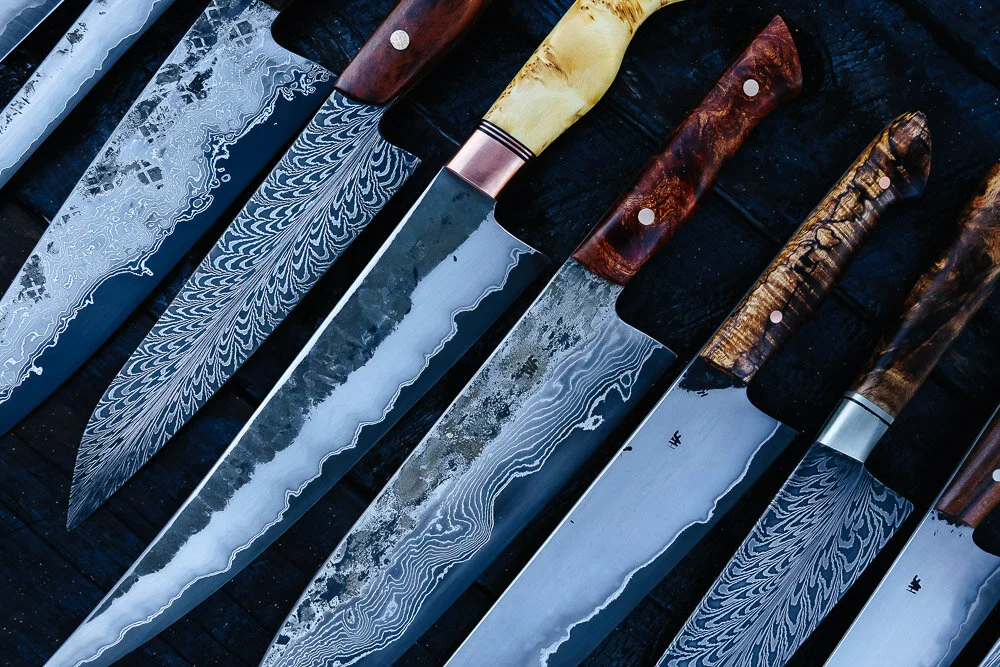
Forged knives are crafted by heating a single piece of steel and shaping it under high pressure, often by hammering. This process aligns the steel’s grain structure, resulting in a blade that is both tough and resilient. In contrast, stamped knives are cut from a sheet of steel and generally lack the same level of strength and balance.
The forging process gives these knives several key benefits that are especially valuable in busy restaurant environments:
- Durability: Forged blades are less likely to bend, chip, or break under heavy use.
- Balance: The integrated bolster (the thick junction between blade and handle) provides a balanced feel, reducing hand fatigue during long prep sessions.
- Edge Retention: These knives typically hold a sharp edge longer, which is crucial for consistent, precise cuts.
- Safety: The sturdy construction and weight help with control, minimizing the risk of slips and accidents.
Key Features of Restaurant-Grade Forged Blades
When selecting knives for a professional kitchen, it’s important to look for features that support both performance and longevity. Here are some characteristics that distinguish high-quality forged knives used in restaurants:
- Full Tang Construction: The steel runs through the entire handle, enhancing strength and stability.
- Thick Bolster: Provides a natural finger guard and improves balance, making repetitive tasks more comfortable.
- High-Carbon Stainless Steel: Offers a blend of sharpness, corrosion resistance, and ease of maintenance.
- Ergonomic Handles: Designed for secure grip, even when hands are wet or greasy.
These features ensure that forged knives can withstand the rigorous demands of a restaurant kitchen, from chopping dense vegetables to breaking down large cuts of meat.
Advantages of Forged Blades in Heavy-Duty Environments
Professional kitchens require tools that can keep up with high-volume, repetitive tasks. Forged knives for restaurant use offer several advantages that make them the go-to choice for chefs and kitchen staff:
- Consistency: The weight and balance of forged knives allow for more uniform cuts, which is important for presentation and even cooking.
- Versatility: These knives are suitable for a wide range of tasks, from delicate slicing to heavy-duty chopping.
- Longevity: With proper care, forged knives can last for many years, even with daily use in a commercial setting.
- Prestige: Many chefs view forged knives as a mark of professionalism and craftsmanship, adding to the kitchen’s reputation.
While the initial investment may be higher than stamped alternatives, the long-term value and performance often justify the cost for restaurants aiming for top-tier results.
How to Choose the Right Forged Knives for Your Restaurant
Selecting the best forged knives for your kitchen involves considering the types of food you prepare, the skill level of your staff, and your budget. Here are some tips to help guide your decision:
- Identify Essential Knife Types: Most restaurants need at least a chef’s knife, paring knife, and serrated bread knife. Specialty knives, like boning or fillet knives, may be necessary depending on your menu.
- Test for Comfort: Encourage staff to handle different knives to find the best fit for their grip and cutting style.
- Check for Quality Materials: Look for high-carbon stainless steel and well-constructed handles that can withstand daily use.
- Evaluate Maintenance Needs: Some forged knives require more frequent honing or professional sharpening. Make sure you have the resources to keep them in top condition.
Investing in a few high-quality forged knives can often be more effective than purchasing a large set of lower-quality blades.
Maintenance Tips for Restaurant-Grade Forged Knives
Proper care is essential to maximize the lifespan and performance of forged knives in a restaurant setting. Here are some practical maintenance tips:
- Hand Wash Only: Avoid dishwashers, as harsh detergents and high heat can damage the blade and handle.
- Dry Immediately: Prevent rust and corrosion by drying knives thoroughly after washing.
- Regular Honing: Use a honing steel to maintain the edge between sharpenings.
- Professional Sharpening: Schedule periodic sharpening by a professional to restore the original edge.
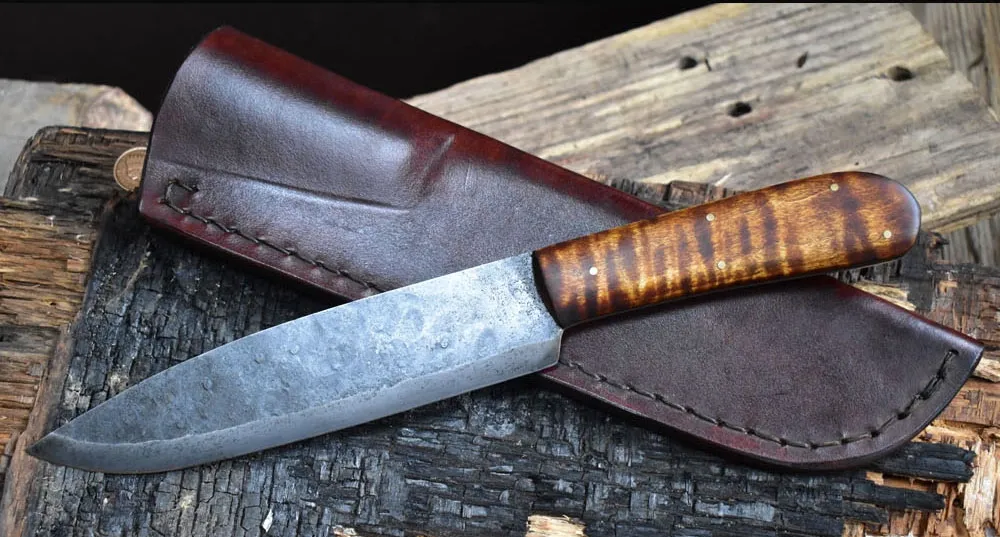
- Proper Storage: Store knives in a dedicated block, magnetic strip, or sheath to protect the blade and prevent accidents.
By following these steps, your forged knives will remain sharp, safe, and reliable for years of service.
Frequently Asked Questions
Are forged knives really better than stamped knives for restaurants?
Forged knives are generally preferred in commercial kitchens due to their superior strength, balance, and edge retention. While stamped knives can be lighter and more affordable, forged blades offer the durability and control needed for high-volume food preparation.
How often should forged knives be sharpened in a restaurant setting?
The frequency of sharpening depends on usage, but most heavy-duty kitchens benefit from professional sharpening every few months. Regular honing can help maintain the edge between sharpenings, ensuring consistent performance.
What is the best way to store forged knives in a busy kitchen?
To keep knives safe and in good condition, use a knife block, magnetic strip, or individual sheaths. Avoid tossing them into drawers, as this can dull the blades and increase the risk of injury.